

Primary campus
Sir George Williams (SGW)
Gain a profound understanding of Jewish history, community, literature and thought. The Microprogram in Jewish Studies provides a flexible pathway to begin or advance your study of Jewish texts, traditions and contemporary realities of the Jewish experience. Taught by leading faculty within the field of Judaic studies, you will develop new insight by exploring the intersections of Jewish culture and identity.
Tailored for students of all ages and professionals, you'll dive deeper into a culture that spans across the globe. Jewish students will be able to deepen their understanding of their own tradition and culture.
By the end of the program, you will be able to:
Learners with a keen interest in Jewish culture and history and members of the Jewish community interested in taking advanced level university courses with world renowned academic experts.
Students must choose three courses for a total of nine credits.
• RELI 220 Introduction to Judaism (3.00)
• RELI 230 Judaism and Popular Culture (3.00)
• RELI 235 The Holocaust (3.00)
• RELI 328 Modern Judaism (3.00)
• RELI 331 Literature and the Holocaust (3.00)
• RELI 366 Religion and Music (3.00)
Additional Judaic Studies courses may be available. Please consult with the department.
With a deeper understanding of Judaism, you will gain critical analysis skills to engage with Jewish literature, community and history in higher education. You will also be prepared to further your education in a bachelor's program related to religions and cultures, or graduate studies if you already have a bachelor's degree.
You can upload your documents to your application after submitting it. However, please note that we cannot complete the assessment of your application until we receive the three required materials listed above.
The cost of the microprogram is a combination of university tuition and compulsory fees.
The cost of tuition per credit depends whether you reside in Quebec or the rest of Canada. This is a 9‑credit microprogram.
| Residency | Tuition | Compulsory fees | Estimated program total |
|---|---|---|---|
| Quebec resident | $935.28 | $547.37 | $1,482.65 |
| Non-Quebec Canadian | $3,895.65 | $547.37 | $4,443.02 |
Note: Microprogram students do not qualify for financial assistance, awards, fee waivers, bursaries, or scholarships internally to Concordia or externally at the provincial/federal levels.
For questions about the microprogram in Jewish Studies, please contact Dr. Naftali Cohn at naftali.cohn@concordia.ca.
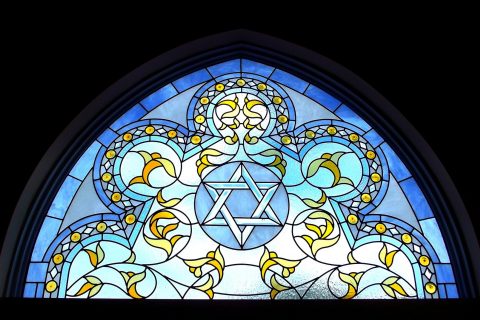
Immerse yourself in the history, culture and literature of Judaism.
Department
Department of Religions and Cultures
Faculty

When you study religious traditions and the impact they have on the world, you acquire an informed appreciation of the beliefs and values of other cultures
Department
Department of Religions and Cultures
Faculty

Theological Studies gives you the tools to have an informed discussion about God, and to address the 21st century challenges transforming religious faith.
Department
Department of Theological Studies
Faculty