

Primary campus
Sir George Williams (SGW)
From the vacations we take to the food we eat, our modern world is shaped by complex economic factors. Studying Economic Policy allows you to uncover these invisible frameworks, including how they affect taxation, trade policy, immigration, demographic challenges, international relationships and more.
In this microprogram, you will move beyond abstract theory and focus on applying economic theory to real-world situations. You will gain critical analytical tools for understanding economic policy in our society and learn how to effectively communicate during the policymaking process.
The microprogram in Economic Policy is a strong asset to those interested in political science, urban studies, geography, environment and commerce. It complements working professionals, recent graduates and those seeking continuing education in applied economic policy.
This microprogram targets individuals who engage with public policy and those currently employed within public administration, including:
The microprogram in Economic Policy takes place over the course of two terms. It may be completed in one term if you have already taken ECON 201 and ECON 203. You have the option of completing them in person or online, either in the daytime or evening.
The microprogram is composed of four courses for a total of 12 credits:
A strong understanding of economic policy and how it is written is beneficial for careers in public policy and administration. After completing the microprogram in Economic Policy, you will be able to critically apply your knowledge in a variety of careers, including:
You will also be prepared to further your education in a Bachelor of Commerce program or graduate studies if you already have a bachelor's degree.
This microprogram welcomes candidates from diverse educational backgrounds who are interested in furthering their education in economic policy.
You may upload documents to your application even after submitting it. However, we cannot complete the assessment of your application until we receive all required documents.
The cost of the microprogram is a combination of university tuition and compulsory fees.
The cost of tuition per credit depends whether you reside in Quebec or the rest of Canada. This is a 12‑credit microprogram.
| Residency | Tuition | Compulsory fees | Estimated program total |
|---|---|---|---|
| Quebec resident | $1,247.04 | $740.56 | $1,987.60 |
| Non-Quebec Canadian | $5,194.20 | $740.56 | $5,934.76 |
Note: Microprogram students do not qualify for financial assistance, awards, fee waivers, bursaries, or scholarships internally to Concordia or externally at the provincial/federal levels.
For questions about the microprogram in Economic Policy, please contact Dr. Anthony Noce at anthony.noce@concordia.ca.

Interest rates, budget deficits, social services, taxes and sustainable economic growth: Economic problems sit at the forefront of public debates. As an economist, your work informs business leaders and policy makers who must make decisions with lasting economic consequences.
Department
Faculty
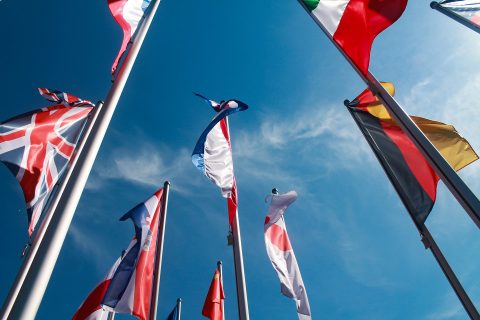
Political science teaches you how the world works. As one of Concordia’s most popular degree choices, you will meet the world up close: in class, in action and in person.
Department
Department of Political Science
Faculty

When you study public policy analysis, policy advocacy and community economic development, you’ll graduate ready to jump into in the policy-making process in private, public, and community sectors.
Department
School of Community and Public Affairs
Faculty