

Alumnus/Alumna profile
Share:


Farah Armouch
Master of Science in Marketing (MSc) 23
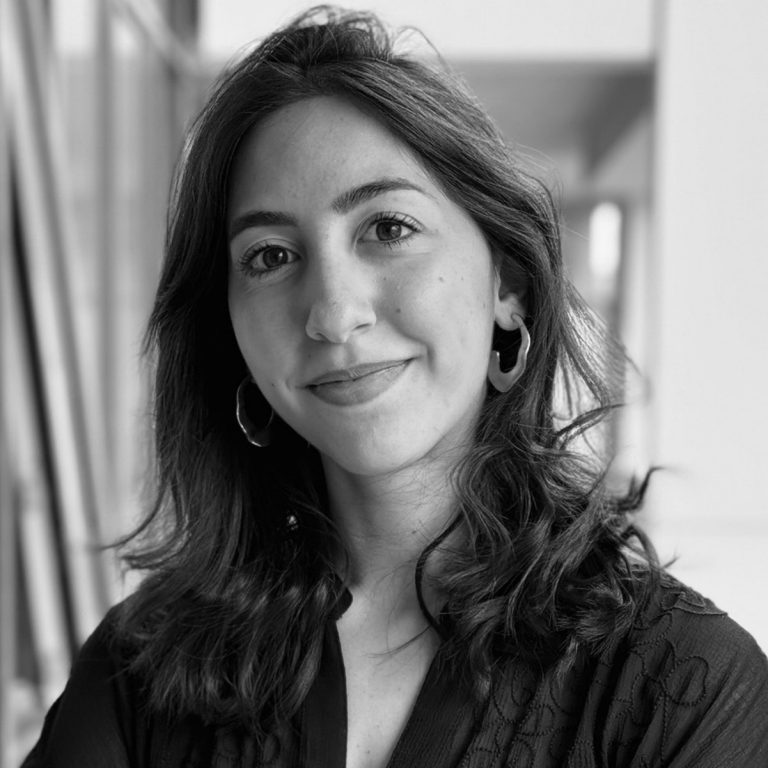
Marketing alumna shares her experience in a research-based master's program
What led you to choose Concordia and the John Molson School of Business?
I chose Concordia and the John Molson School of Business because they felt like a place where I could truly belong and grow. What stood out most to me was the diversity at John Molson — I loved the idea of being around people from all over the world, each bringing different experiences and perspectives. It wasn’t just about academics; it was about connecting with others, building friendships and being part of a community. With professors who have real-world experience, I knew I’d gain skills and confidence to thrive personally and professionally. And being in Montreal, I was excited to experience a city full of energy and warmth, which made it the perfect backdrop for learning and living.
Why was the research-based Master of Science in Marketing (MSc) the right choice for you?
Choosing a research-based Master of Science in Marketing (MSc) felt right because I was genuinely curious about the role research plays in shaping marketing strategies, even though I didn’t have much experience in it before. The research-based program felt like the perfect fit because it promised a hands-on approach, allowing me to work on a thesis that would help me apply what I learned in the classroom.
What was your student journey like? From applying to the school, securing a supervisor to deciding on a thesis?
My student journey at Concordia was a great adventure that truly shaped who I am today. The application process was very straightforward; I remember the thrill of submitting my application, imagining all the possibilities ahead. Throughout my time at Concordia, I received incredible support at every turn—whether it was navigating the application process, finding the right supervisor for my research, or deciding on a thesis topic that inspired me. As an international student, I was especially grateful for the warm welcome from the staff and faculty who were always ready to help and guide me.
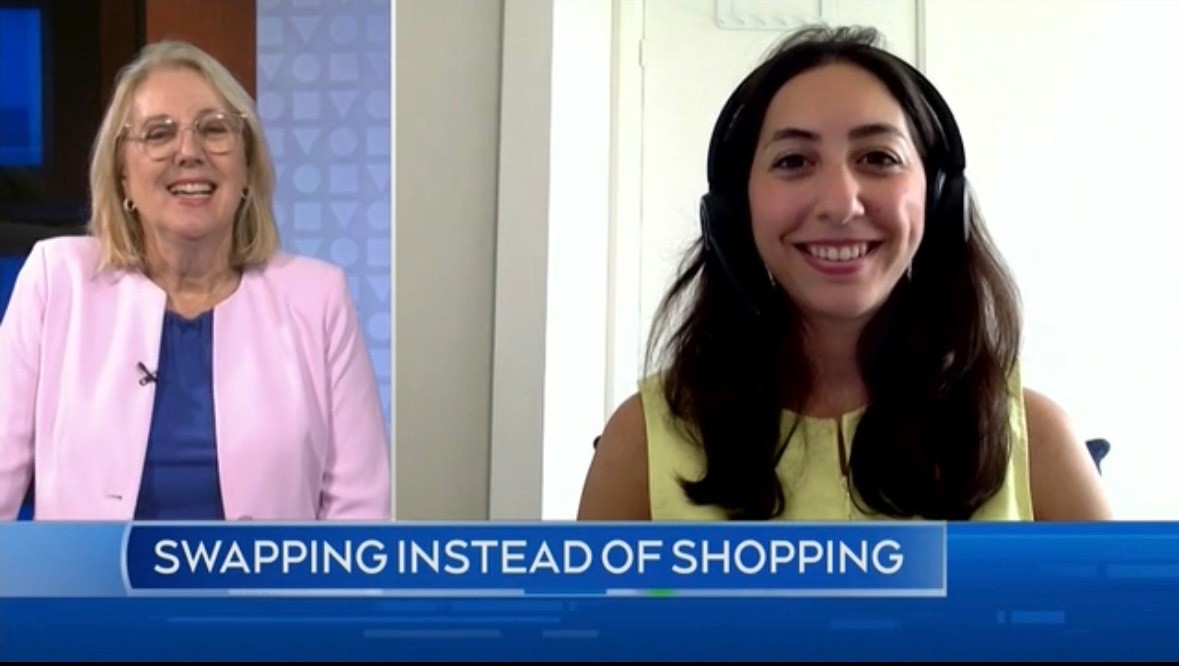 Farah doing an interview with CTV about her research, "Is it fashionable to swap clothes? The moderating role of culture."
What is the supervisor/student relationship like? What was most impactful for you about working with your two supervisors?
The supervisor-student relationship was one of the most rewarding parts of my research journey. My supervisors – Michel Laroche and Michèle Paulin – guided me through every step, from refining my ideas to exploring topics that truly interested me. What really stood out was how they pushed me to ask the right questions and dig deeper into my topic. They didn’t just give me answers; they helped me find my own path and grow more confident in my abilities.
How would you suggest going about finding a supervisor? What does a student need to consider and what advice would you give to ensure the best experience?
When looking for a supervisor, start by exploring professors whose research really interests you. Read through their work and think about whether their projects align with what you’d like to study. Think about what kind of support you need, as some supervisors are very hands-on while others give more independence. Talking to other students is also a big help—they can share insights about the professor’s style. When you reach out, be clear about your goals and remember that it’s important to be open to their expertise and perspectives; they’ve been in the field and have insights that can deepen your work.
What was it like doing interviews with the media about your research? What was the most surprising part, the most challenging, the most rewarding?
Talking to the media about my research was a new and eye-opening experience. I was excited but also a bit nervous, as I wanted to communicate my findings clearly and make sure people could relate to them. The most surprising part was seeing how interested people were—it was amazing to realize that my work resonated with so many outside the academic world. The biggest challenge was finding the right words to explain complex ideas in a simple way, without losing the core message. I am happy I stepped out of my comfort zone and spoke about my research in different languages – it was absolutely worth it! The experience was incredibly rewarding; each interview taught me how to tell my story better and it felt fulfilling to know my research was sparking conversations and connecting with people in the real world.