

Alumnus/Alumna profile
Share:


Anna Krupa
BA Human Environment 22
Works as an environmental analyst for the Cree Nation Government
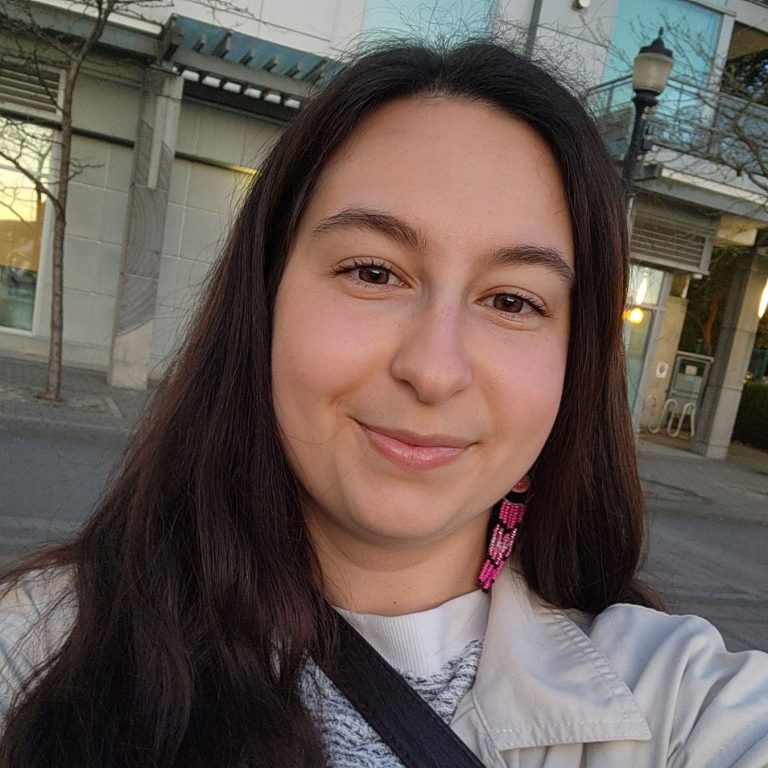
In impact assessment, we tend to assess projects on a singular project basis, but through my program, we were taught to look at the bigger picture. The holistic way also includes having projects benefiting impacted communities and future generations.
Career questions with Anna
What do you love most about your work, and what inspired you to pursue this career in the first place?
I love working with communities that have a powerful and connective perspective regarding the environment which is very different from the more quantitative western lens. I love understanding and learning about the unique and powerful impact assessment tools the Cree Nation has negotiated with the Quebec and Canadian governments.
My inspiration came from working with my mentor on my honours thesis which was on methylmercury concentrations in fish tissue found on Eeyou Istchee (traditional Cree Nation territory in Northern Quebec). It opened my eyes to the privilege we have here in the south from all the hydroelectric development in northern Quebec.
Looking back, what skills have been the biggest gamechangers in your career?
Knowing how to identify credible sources of information and proper writing and articulation. Public speaking is also an asset to be able to transfer information clearly and adjust it according to the audience.
How did Concordia prepare you for your career?
Concordia helped me understand that there are different ways to look at an issue and to see things in a holistic manner. In impact assessment, we tend to assess projects on a singular project basis, but through my program, we were taught to look at the bigger picture (i.e. cumulative effects of projects on Cree territory). The holistic way also includes having projects benefiting impacted communities and future generations.
What is a standout memory from your time at Concordia?
I absolutely loved the experiential learning sessions that were organized outside of our geography class where we really got to break concepts down, discuss as a group and then present to everyone. That's where I met my friends that I am close to till this day! Also, I loved the Hall 12th floor couches – amazing chilling and crunch area.
If you could give your younger self one powerful piece of advice, what would it be?
Ask questions! And reach out to professors for research or job opportunities, they are not as scary as you think.
What’s the most exciting shift happening in your industry right now?
There is more recognition of non-western perspectives on the environment (i.e. Indigenous perspectives). There is also more of a push for social impact assessment, not just environment. I think the industry is realizing how linked they are. It took some time but we're getting there! People who know their environment and communities should be at the centre of social and environmental impact assessments.
Feeling inspired?
- Explore research opportunities at one of the department research labs.
- Confidently communicate complex ideas to diverse audiences with FutureBound's Communication module.
- Develop cultural competence and deepen your understanding of Indigenous communities through the Pîkiskwêtân learning series.
- Connect with Career Counselling & Education Transitions to plan your career path.