

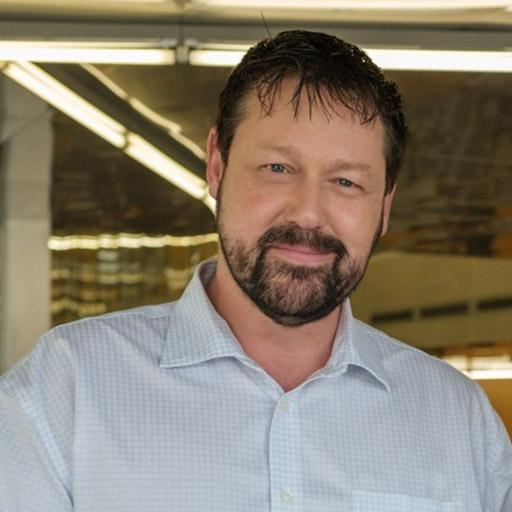
Dr. Andreas Bergdahl, PhD
- Associate Professor of Cardiovascular & Performance Physiology, Health, Kinesiology and Applied Physiology
Are you the profile owner?
Sign in to editContact information
Biography
Dr. Andreas Bergdahl is a cardiovascular physiologist in the Department of Health, Kinesiology & Applied Physiology at Concordia University, where he has been a faculty member since 2009. He completed postdoctoral training at McGill University and the August Krogh Institute at the University of Copenhagen following his PhD in Medical Physiology from Lund University (Sweden) in 2004. His doctoral work examined calcium signaling in vascular smooth muscle cells (VSMCs) and its role in phenotypic modulation, establishing a strong mechanistic foundation in vascular biology and cardiovascular physiology.
Education
PhD (Lund University), MSc (Lund University)
Research interests
Dr. Bergdahl's research program centers on the integrative regulation of blood flow, bridging molecular, cellular, and whole-body approaches to understand vascular function, smooth muscle contractility, and cardiac–vascular interactions. A central theme of his work is mitochondrial regulation of vascular and muscular adaptation. He has extended these mechanistic insights to cardiometabolic contexts, investigating how diet and metabolic stress alter mitochondrial function and cardiovascular performance—pathways highly relevant to exercise interventions that manipulate blood flow and metabolic stress.
Building on this mechanistic expertise, Dr. Bergdahl has led translational studies examining low-load exercise strategies, including blood flow restriction (BFR) training. His work has shown that nutritional interventions such as cranberry polyphenol supplementation can improve muscle oxygenation and attenuate exercise-induced lactate accumulation during low-intensity resistance exercise. He has extensive experience designing and implementing exercise interventions for populations with limited exercise tolerance, including older adults, individuals with long COVID, and people with Parkinson’s disease. These studies integrate functional performance testing, dynamometry, and cardiopulmonary monitoring to quantify muscular and cardiovascular adaptations.
Methodologically, his laboratory employs advanced tools to interrogate mechanisms relevant to occlusion-based training, including high-resolution respirometry in permeabilized muscle fibers, confocal imaging to assess mitochondrial and vascular structure, and biomarker analyses targeting metabolic stress, oxidative signaling, and angiogenic pathways. This integrated methodological framework enables rigorous investigation of how KAATSU, traditional BFR, and related occlusion modalities differentially influence vascular hemodynamics, muscle oxygenation, metabolic signaling, and long-term adaptation.
Overall, Dr. Bergdahl’s integrated expertise in cardiovascular physiology, mitochondrial biology, and translational exercise science uniquely positions him to connect acute molecular and vascular responses to meaningful functional outcomes, supporting both mechanistic discovery and applied exercise innovation across diverse populations.