Indigenous History Month
Wa'tkwanonhwerá:ton. Welcome. Bienvenue.
Wa'tkwanonhwerá:ton is a formal greeting in Kanien'kéha (Mohawk language) that means, ‘Our minds greet yours.’
As we commemorate Indigenous History Month, let us embark on a collective journey of enlightenment, solidarity, and reconciliation. Let us honour Indigenous knowledge, amplify Indigenous voices.
Concordia tuition waiver for First Nations and Inuit students removes obstacles to success
Since the initiative launched in 2024, more than 200 students have benefited.

Indigenous artworks commissioned for Concordia’s Hall Building terrace
The projects will reimagine the downtown space as one of belonging, visibility and connection
 Rendering by N.F.O.E. Architecture modified by UCS
Course spotlight: Advanced Topics in FPST: St. Lawrence River Ecosystem
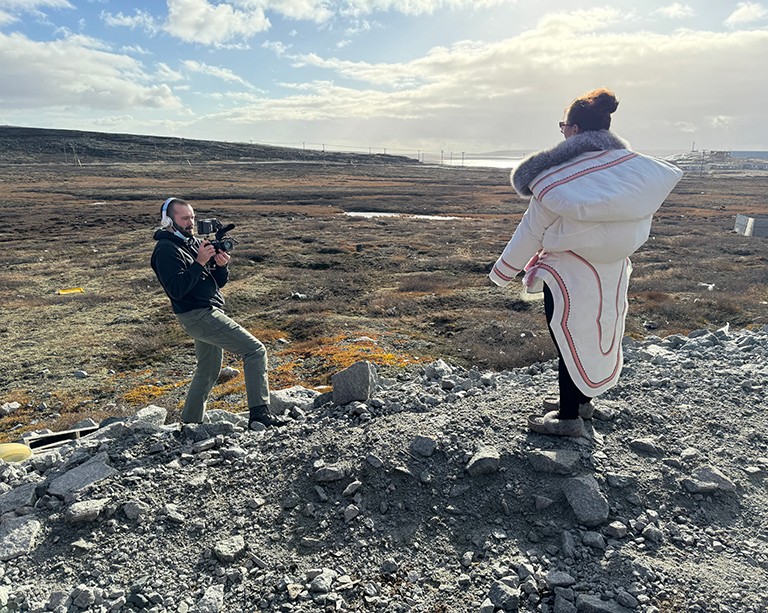
Led by Professor Nicolas Renaud, this course combines field-based learning and classroom study, taking students along the St. Lawrence River to experience its ecosystems firsthand.
Grounded in Indigenous teachings — including Wendat, Haudenosaunee and Anishinaabe perspectives — the course approaches the river as a living relationship, not only an object of study.
Offered again this Fall.
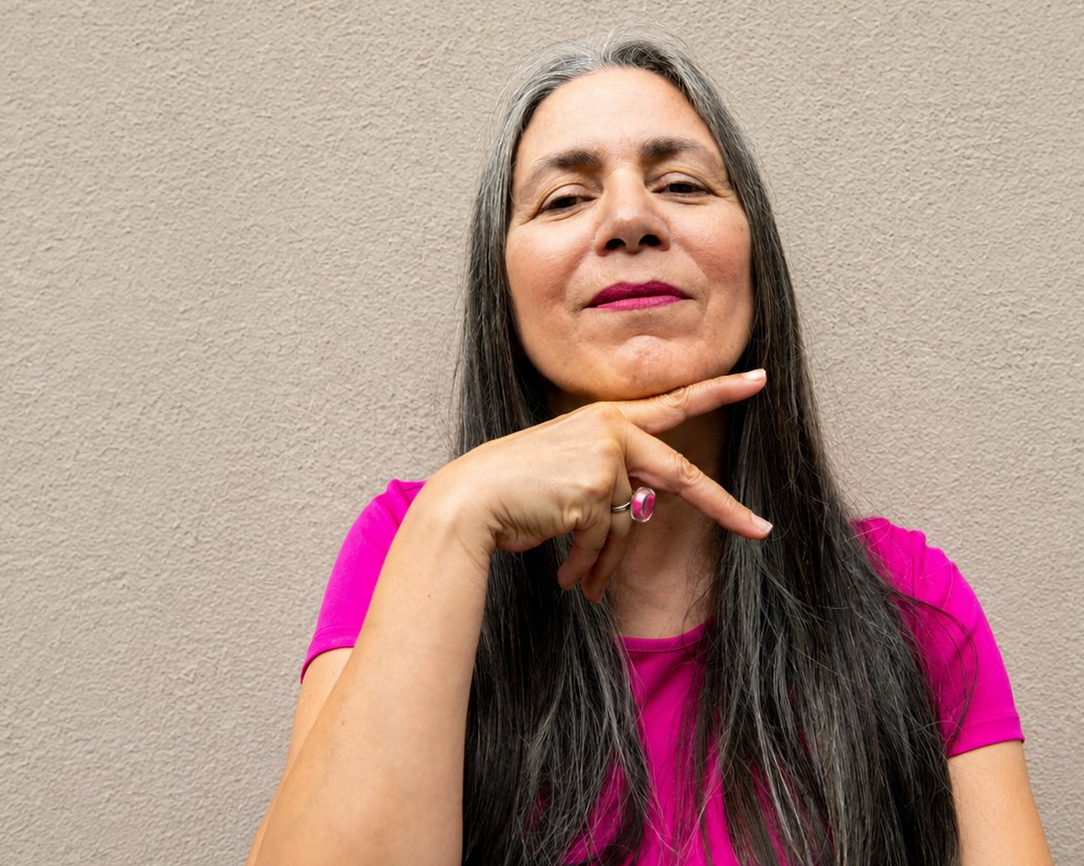
 Nicolas Renaud
Assistant Professor, First Peoples Studies in the School of Community and Public Affairs
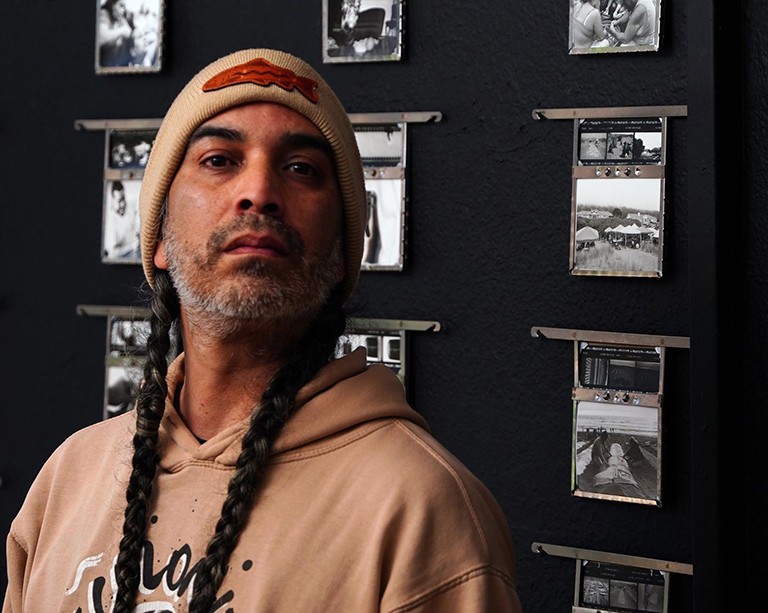
Nicolas Renaud
Assistant Professor, First Peoples Studies in the School of Community and Public Affairs
Indigenous Graduation
Concordia University and the Otsenhákta Student Centre are honoured to celebrate and congratulate all Indigenous Concordia graduates!
Kaié:ri Nikawerá:ke
Indigenous Bridging Program
Thrive at university with an informal background.
The Kaié:ri Nikawerá:ke Indigenous Bridging Program provides a pathway for eligible First Nations, Inuit and Métis peoples to attain a university degree without meeting Concordia’s traditional admission requirements.

An Educational Pathway towards reconciliation
The Decolonial Toolbox offers the public an educational pathway to understanding contemporary Indigenous realities. The pathway gathers carefully-selected resources produced by Indigenous people and organizations that are accessible and promote Indigenous expertise.
Rotinonhnsión:ni history
Concordia is located on the unceded lands of the Kanien’kehá:ka, one of the six nations that comprise the Rotinonhsión:ni Confederacy. Explore the primer course on the History, Resilience and Continuance of the Rotinonhnsión:ni Confederacy available for students, faculty and staff on Moodle.
Decolonizing curriculum and pedagogy
The CTL provides you with Indigenous evidence-based research, tools and resources to re-frame your curriculum and pedagogical practices in ways that promote critical discourse, analysis and integration of Indigenous Peoples’ diverse intellectual, cultural, agricultural, and scientific knowledge systems.
Our faculty
Explore the profiles of our newest Indigenous faculty members and learn more about their research, publications and contributions to their respective fields. Each profile provides a glimpse into the unique expertise and contributions these individuals bring to Concordia.
Books
Explore these recommendations from the Concordia Library and engage with a rich collection of resources on Indigenous topics and perspectives.
How do you say...
Indigenous language guide. A starting point for your personal exploration and appreciation of indigenous languages.
You're encouraged to wear Orange on Wednesday September 30, 2026 in honour of the Indigenous children who were forcibly removed from their homes, in remembrance of the children who never returned home and the generations of family members who are forever affected by the trauma.
Indigenous days of significance
Explore this non-exhaustive list to learn more about days of significance among Indigenous communities at Concordia and beyond.