

DESIGNING BUILDINGS THAT GENERATE MORE POWER THAN THEY USE
From solar research to energy efficient AI solutions, curbing carbon emissions
through smarter building design is a major component in the fight against climate change.
PLAN/NET ZERØ
Society urgently needs to decrease greenhouse gas emissions to combat climate change. Concordia is ready to act through a plan to decarbonize
campuses and reduce energy consumption.
We're developing buildings that are healthier,
greener and more productive.
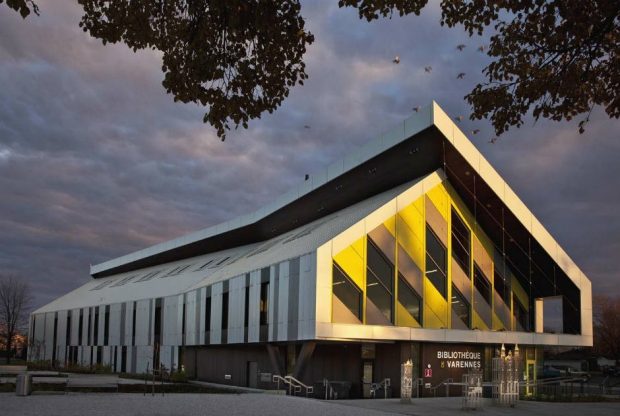
Objective: net-zero
With a focus on net-zero energy buildings (structures that produce at least as much energy as they consume over the course of a year), we're making a difference through applied concepts and ongoing research. Institutes such as the Centre for Zero Energy Building Studies are working to reduce the environmental impact of buildings while enhancing their safety and comfort.
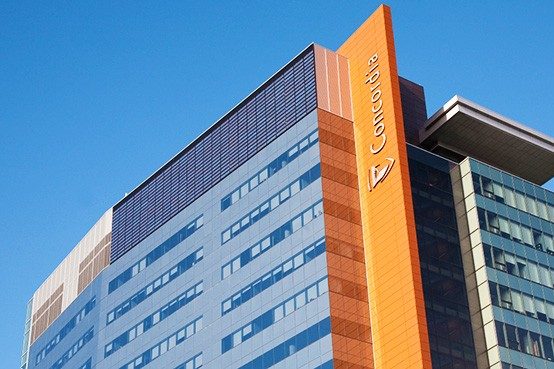
Shining a spotlight on solar
Solar energy is increasingly a key component of an integrated system that approaches net-zero energy consumption in buildings. As a part of its larger efforts to make solar energy more affordable and practical, Concordia instituted the Solar Simulator - Environmental Chamber laboratory. The facility is able to test solar products with full simulated sun in indoor and outdoor conditions.
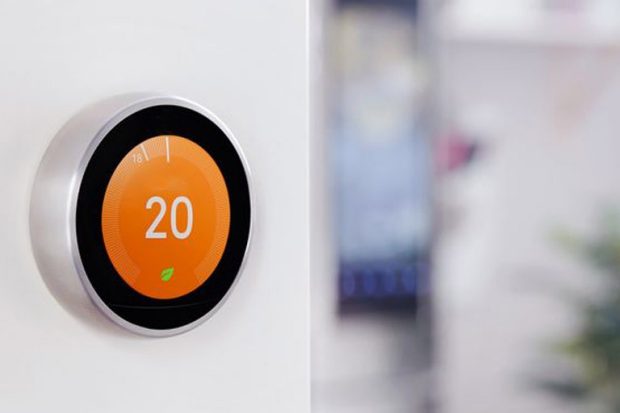
Designing with (artificial) intelligence in mind
Reducing the carbon footprint of our structures will require the incorporation of AI solutions that can control a building’s critical functions. By adjusting lighting, heating, AC, window blinds and other utilities based on the activities of those inside a building, these Occupant Centric Control (OCC) systems can have wide-ranging effects on overall energy costs.
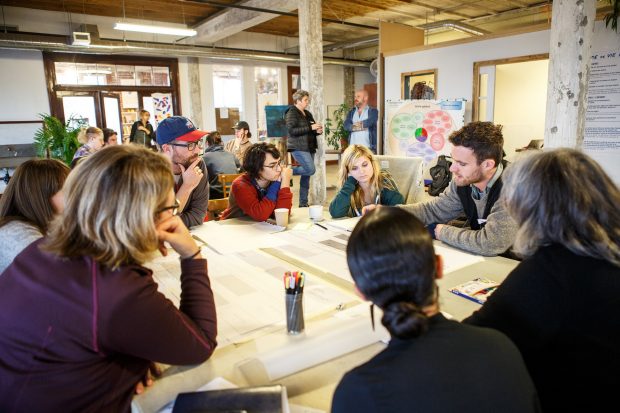
Giving artists and engineers a seat at the table
What do you get when you combine engineers, biologists, artists, philosophers and policy experts? An interdisciplinary effort that forms a core tenet of how the university is looking to solve the challenges faced by our cities. Bodies such as the Next-Generation Cities Institute provide an open, flexible and horizontal structure to help support solutions that draw from experts in a variety of fields.
In redefining the capabilities of the structures we live and work in, Concordia is setting the stage for more resilient and sustainable communities.
Next-Gen Innovation Now