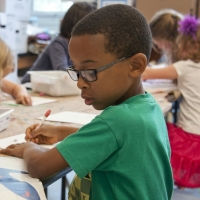
Students enter the classroom with widely varying dispositions toward learning and interests, and some find it difficult to adjust to group life. Learning cannot be separated from how students experience school, particularly the relationships they develop and their sense of well-being and belonging. This theme explores how these social and emotional dimensions of education influence students' personal development, motivation, academic success, and educational persistence.
CSLP members study moral development, particularly how students seek to resolve conflicts at school, as well as the development of intellectual humility, understood as the ability to recognize the limits of one's own knowledge and reconsider one's judgments in light of other perspectives. Their research also examines the role that a safe and democratic school climate can play in fostering students' well-being and sense of belonging, as well as in preventing violent radicalization. Other research focuses on issues of motivation, persistence, and well-being among students in vocational education, their aspirations for the future, and the value they attach to what they learn during their training. Members also examine the effects of classroom climate, innovative teaching practices, and the design of educational environments on student well-being, autonomy, and academic success.