


Projects
Research at the CSLP is conducted under two axes and five theme areas as presented to the Fonds de recherche du Québec.
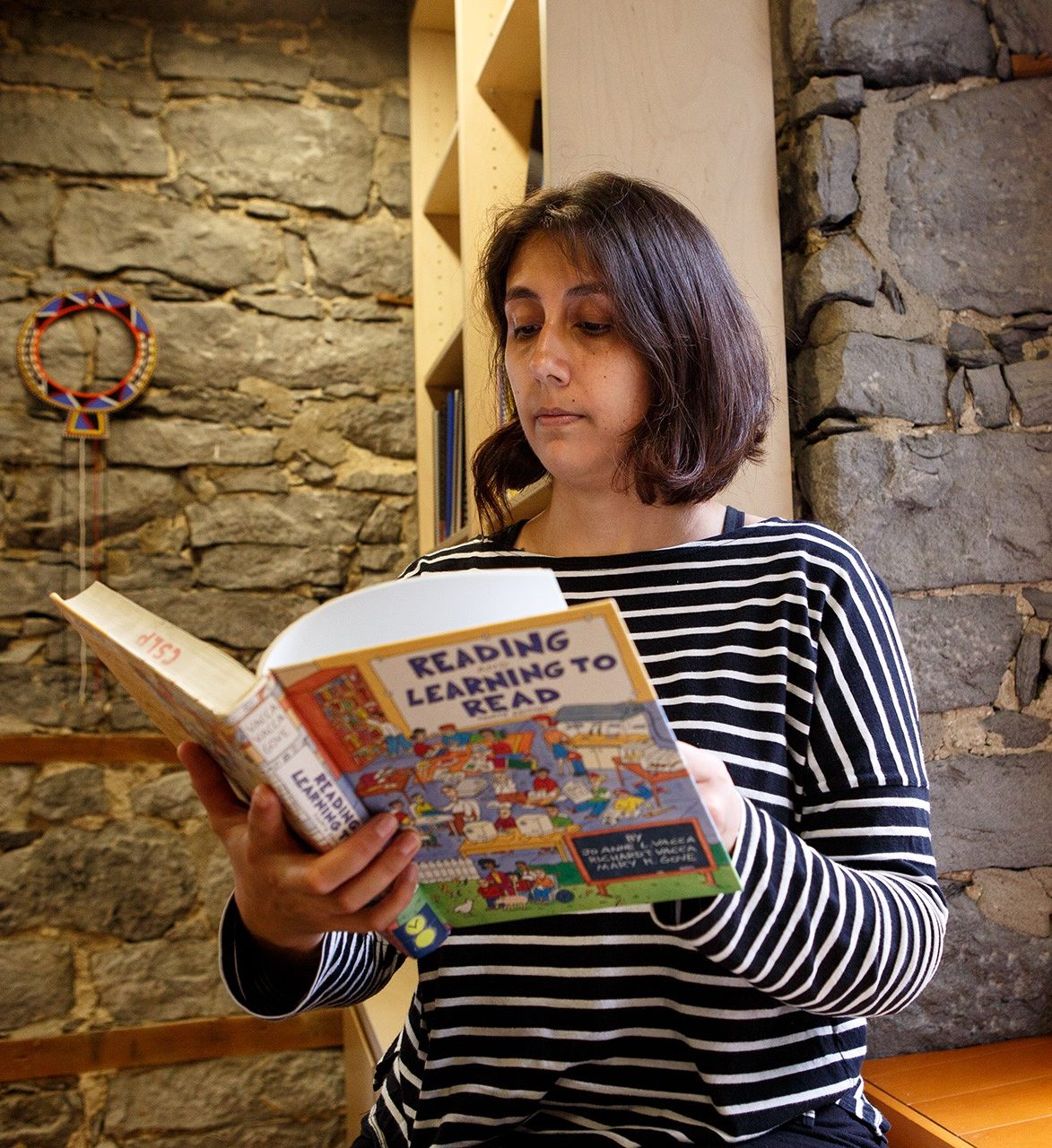
Axis 1:
Transforming Educational Environments and Systems
This research axis focuses on the profound changes that could reshape the functioning and organization of educational environments as they have developed since Quebec’s Quiet Revolution. Two themes are of particular interest to our members. The first is the growing role of digital technologies in the classroom, particularly artificial intelligence, which has considerable transformative potential. The second concerns educational reform movements. For our members, these two themes represent the main systemic challenges facing our school systems: on the one hand, the likely transformation of the system as a result of AI and other digital technologies, and on the other, the transformation of the system (or lack thereof) resulting from educational reform efforts.



Axis 2:
Learning Processes and Development
Curriculum developers and researchers share a decidedly optimistic view of students' abilities, refusing to impose predetermined limits on what students can learn and become. While beneficial, this optimism nevertheless faces a challenge: when certain learning milestones are not reached at the expected time, the resulting delays can accumulate, jeopardizing students' subsequent educational progress and undermining their confidence in their own abilities. Educators must therefore seek to help as many students as possible make progress, taking into account the diversity of their prior learning and individual needs.


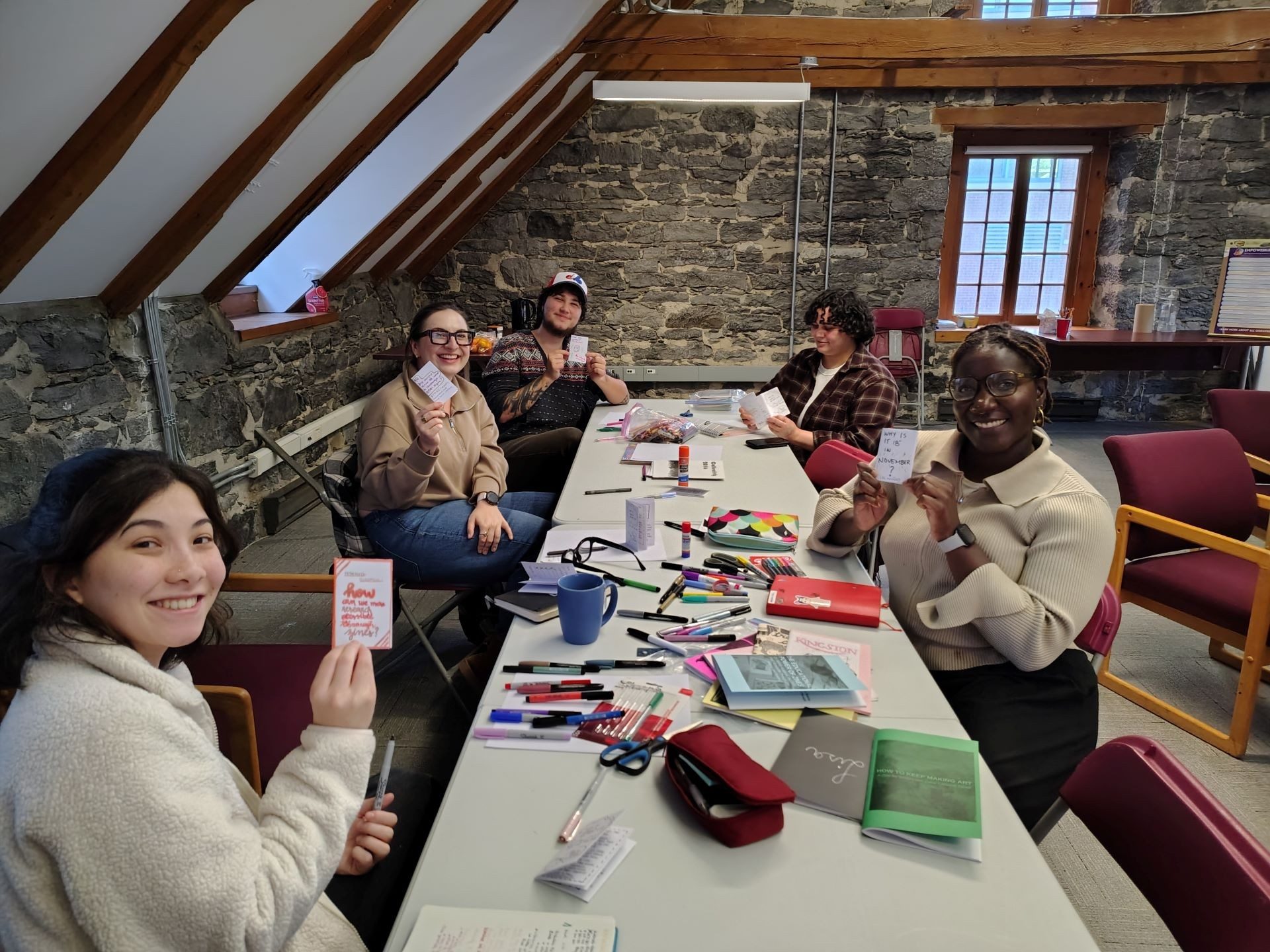
Axis 3:
Plurality and Polarization in Education
Our third research axis addresses issues related to pluralism, understood as the coexistence of diverse cultures, languages, values, and political orientations within a democratic society. This reality raises important educational questions about how schools recognize these differences and draw upon the resources they represent to support learning, socialization, and living together.
At the same time, educational environments are confronted with other social phenomena, notably political polarization and the risks of violent radicalization, which present distinct challenges in terms of dialogue, citizenship, and social cohesion.
This research axis is therefore organized around two complementary but distinct themes: plurality in education, and polarization and radicalization.