

accolade
Teaching excellence: 2026 Fine Arts Distinguished Teaching Award recipients announced
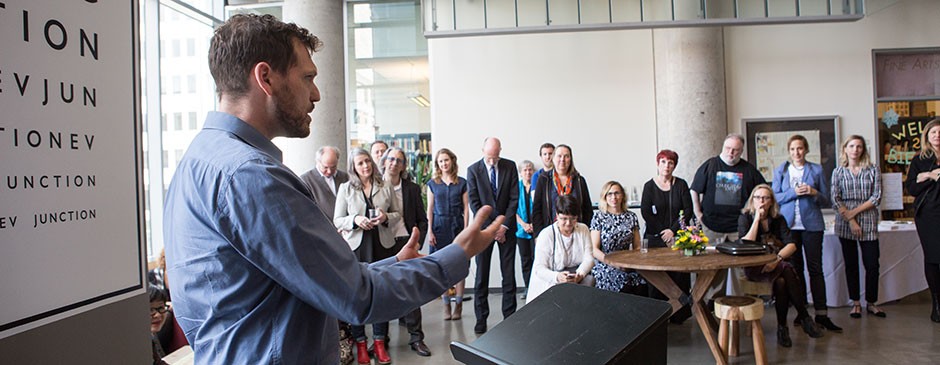
Each year, the Faculty of Fine Arts celebrates exceptional educators through the Distinguished Teaching Awards, recognizing outstanding contributions to student learning, curriculum development, and innovative pedagogy.
This year’s recipients are Linda Swanson, undergraduate program director and professor in the Department of Studio Arts, who received the Established Award, and Cindy Coady, lecturer in the Department of Creative Arts Therapies, who received the Emerging Award.
“Through their commitment to inclusive and engaged teaching practices, they foster meaningful learning environments that support and inspire our students and colleagues alike,” says Annie Gérin, Dean of the Faculty of Fine Arts.
“Both of this year’s recipients exemplify the depth, care, and pedagogical imagination that define teaching in the Faculty of Fine Arts,” notes Shauna Janssen, Associate Dean, Academic Programmes and Pedagogy. “Through their distinct yet equally impactful approaches, they create learning environments that are responsive, rigorous, and deeply attuned to student development across disciplines and stages of study.”
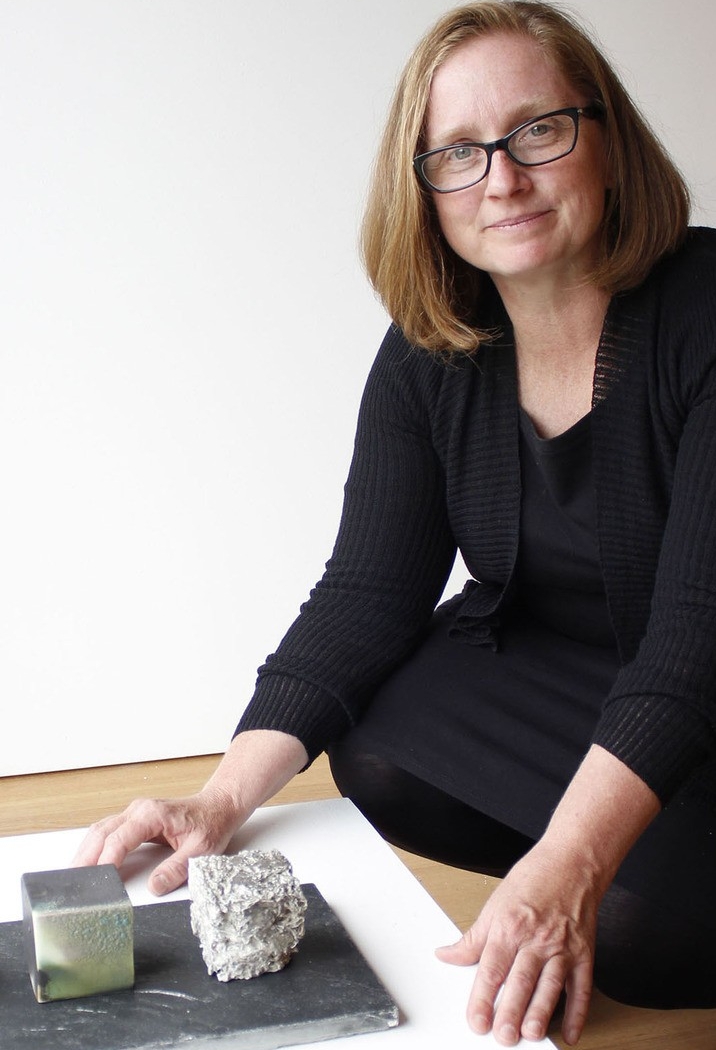 Prof Linda Swanson, Ceramics, Studio Arts.
Spotlight on the Honourees
Established Award: Linda Swanson
Department of Studio Arts
Students and colleagues alike highlight Linda Swanson's teaching practice as distinguished by an extraordinary depth of with material engagement. Adding that she has a rare ability to balance high expectations with sustained care, creating learning environments that are both demanding and profoundly supportive, with philosophical sensitivity. They also underlined her innovative courses — spanning field-based learning, interdisciplinary collaboration, and material research — have significantly expanded the scope of ceramics education and inspired many students to pursue advanced studies.
“I try to set up situations in which students can encounter ceramic materials in unexpected ways,” says Swanson. “This experiential knowledge is central to developing more awareness of the relationship between material and process, as students become more sensitive to, and critically engaged with, the interplay between their intentions and the meanings that unfold from the material reality of their work.”
Beyond the studio, Swanson’s leadership as Undergraduate Program Director and her mentorship of both undergraduate and graduate students have had a lasting impact across the program. She also emphasizes the importance of situating learning in lived experience, including field-based exploration.
“I recall taking students outside the city to dig local clay. Each outing, as we connect with clay as it naturally occurs, the students and I together gain a renewed appreciation and sense of reverence for it.”
Reflecting on the award itself, she adds:
“It can be difficult to gauge the impact of my teaching as I am usually caught up in the present trying to improve it. This Award highlights a period longer than a single assignment or the span of any one class. This recognition offers me a longer perspective from which to celebrate the learning my students have accomplished and the ways, in retrospect, that my students feel my teaching has helped them to achieve that.”
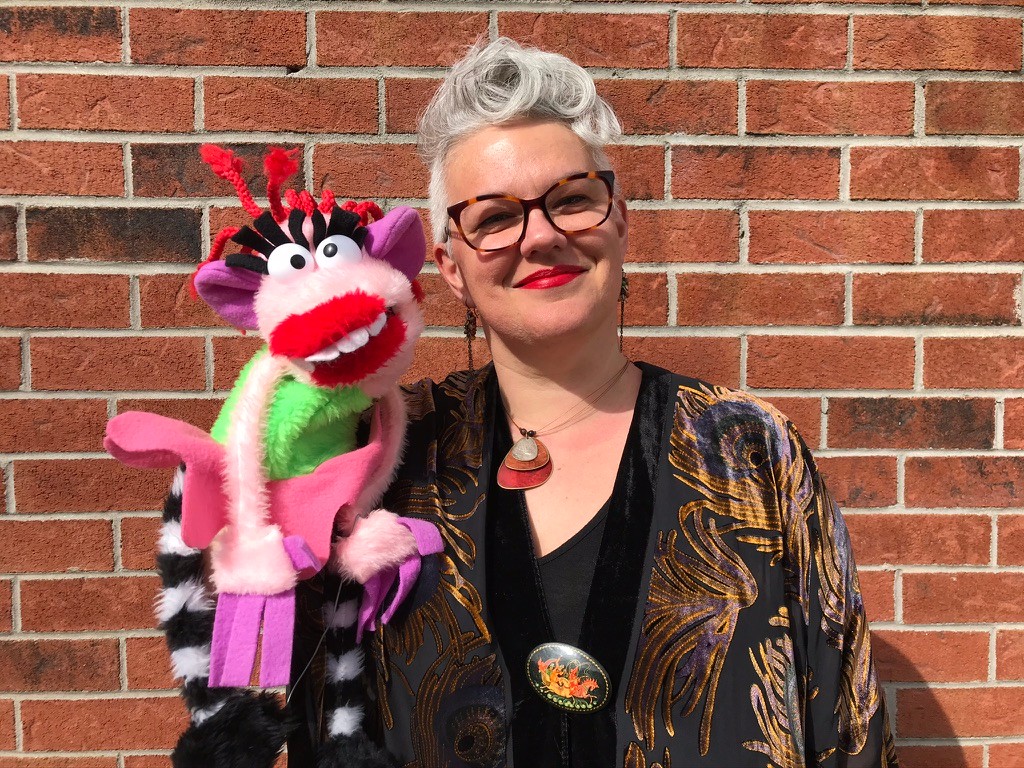 Prof Cindy Coady, Lecturer, Creative Arts Therapies
Emerging Award: Cindy Coady
Department of Creative Arts Therapies
Students described Cindy Coady's approach as student-centred—responding to classroom needs and student feedback in attentive and adaptive ways to meet them where they are. This includes reworking course content, facilitating role-play exercises, and transforming real-world challenges into shared learning opportunities. Her work as practicum coordinator and supervisor further extends this impact, offering sustained mentorship during formative stages of students’ professional development.
“My teaching is rooted in relationship, embodiment, and curiosity,” says Coady. “I aim to create spaces where students feel safe enough to take risks and connect theory to lived experience and discover their own authentic clinical voice.”
Inspired by the courage of her students to show up fully, especially in work that asks for vulnerability, reflection, and growth, she says that witnessing this process continually renews her commitment to teaching.
“What stays with me most is hearing that students felt seen, supported, and challenged in ways that helped them grow. Receiving this award feels deeply meaningful, especially knowing that students from several cohorts took the time to write letters of support. It reminds me that I am exactly where I am meant to be,” she adds.
Stay tuned this fall for the upcoming call for nominations for the 2027 awards cycle.


