

Kathryn Jezer-Morton examines the stories we tell on social media


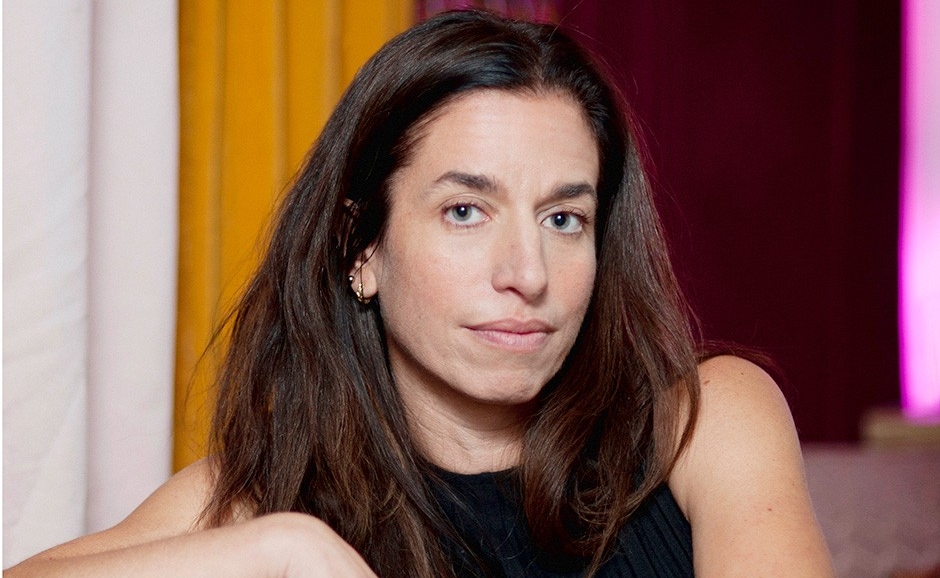 “No one posts on socials about being broke,” says Jezer-Morton, “because there is still this sense that if you are in any way struggling, you’ve failed to make the right choices.” | Photo: Caroline Desilets
We post the vacation, the promotion, the great meal and the milestone. But what do those carefully selected moments say about the lives we’re building — and the people we want others to see?
For Kathryn Jezer-Morton, MA 16, PhD 23, these questions have been the focus of years of research into digital culture and online behaviour.
The Montreal-based writer and educator is the author of the popular “Brooding” column on The Cut, a digital publication of New York magazine. She has now chronicled her thinking in a new book.
In The Story of Your Life: How Social Media Shapes the Way We Experience Everything (Penguin Random House Canada), Jezer-Morton traces how social media has evolved from a way of sharing updates with friends and family into a platform for telling stories about who we are. Whether we post photos from a trip abroad or trumpet our latest big win, our feeds increasingly communicate not just what we’re doing, but the kind of person we want others to see.
Jezer-Morton, who holds a master’s in digital anthropology and a doctorate in sociology from Concordia, writes, “What if social media narratives enclose us in versions of life that can feel claustrophobic and unsatisfying? What if these narratives have undermined our sense of ease and belonging?”
Storytelling is a creative project that everyone engages in, she says, with a common theme running through much of our online messaging: the idea that we are self-reliant and have the competence to make it in life.
Widening the social media lens
Raised in a commune in southern Vermont, Jezer-Morton came to Montreal as a teenager already interested in activism, class and creativity.
“The commune was really a bunch of like-minded hippie anti-war type people, and there were always cool things to do, like gardening, cooking meals together and other creative outlets,” she recalls.
Jezer-Morton spent a year at McGill University studying art history before transferring to Oberlin College in Ohio to complete her undergraduate degree. After returning to Montreal, she turned to freelance writing, including work for AskMen.com, a digital lifestyle magazine founded by Concordia graduates.
She later became a regular contributor for The Cut. Jezer-Morton’s column covers social media, digital culture and parenting.
As platforms such as Facebook, Instagram and Twitter/X grew, Jezer-Morton watched the ways people used them change — and saw how this new branch of the internet gave certain voices a much larger audience.
When she enrolled at Concordia for graduate school, she focused her research on social media personalities in parenting, including so-called “momfluencers”.
“I felt a little bit like I was embarking on something that, at least in the context of Canada, wasn’t super well understood at that time,” she says.
Over the years, Jezer-Morton saw a shift in what people chose to share online. What began as broadcasting thoughts and moments to a relatively tight circle of friends and family expanded into a much wider public audience.
The question was no longer simply what we wanted to share. Increasingly, it was what kind of impression we wanted to make.
Today, Jezer-Morton argues, progress and stability have become dominant narratives on social media, while more difficult or shameful experiences tend to disappear from view.
“No one posts on socials about being broke,” says Jezer-Morton, “because there is still this sense that if you are in any way struggling, you’ve failed to make the right choices.”
For Jezer-Morton, The Story of Your Life is the culmination of years spent examining what we choose to show the world — and what we leave out.
“I wanted to write a book that just isn’t about technology but taps into the emotional experience of using social media.”