



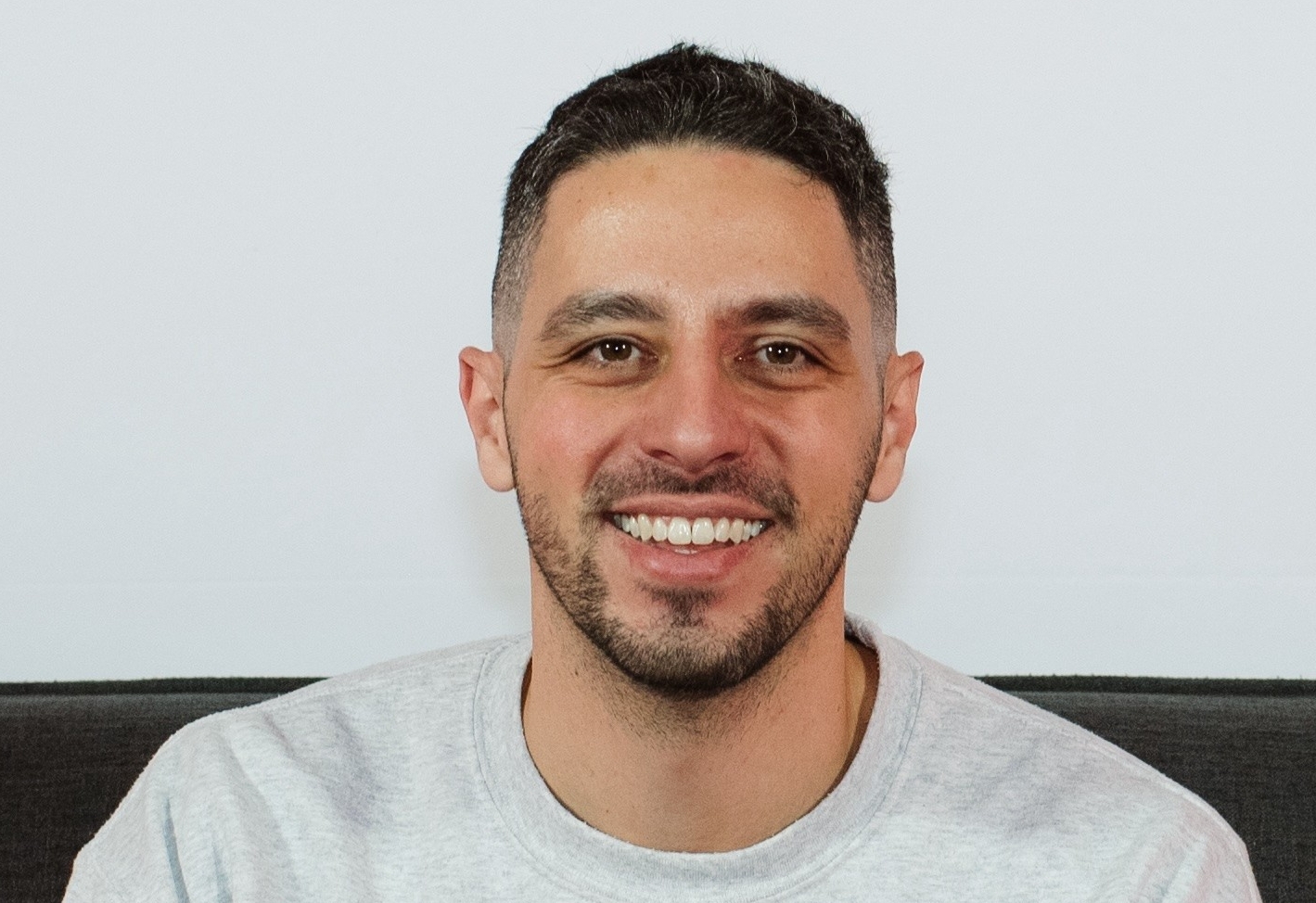
 Gabriel Obadia, BComm 11
As Head of Music for YouTube Canada, Gabriel Obadia, BComm 11, stands at the centre of a rapidly evolving global industry. Named a Billboard 40 Under 40 honouree in 2025, he works directly with major and independent labels to help artists grow their audiences, strengthen their businesses and make the most of the world’s largest video content platform.
Whether coordinating strategy around high-profile livestreams, supporting breakout global sounds from Canada or helping shape YouTube’s marketing and creator programs, Obadia’s role touches nearly every corner of the country’s music ecosystem.
Yet his path to the music industry wasn’t linear. A passionate music fan who began his Concordia studies in finance before switching to marketing and entrepreneurship, Obadia built student businesses, led the Concordia Entrepreneurship and Management Association and, on the side, launched an entertainment magazine that became his entry point to shows, artists and the cultural world he hoped to join.
After early work in marketing and consulting, Google took notice — first hiring him to sell ads, then recognizing his entrepreneurial problem-solving. When an opportunity opened at YouTube’s Toronto studio, the magazine he had kept alive during his day jobs provided the key bridge into music.
Today, based in his hometown of Montreal, Obadia works with partners and musicians across Canada and around the world. His mission remains clear: help artists succeed.
What does being Head of Music for YouTube Canada involve?
Gabriel Obadia: At its core, my job is to help artists, labels and distributors succeed on YouTube. That can mean supporting them as they grow their channels, reach new audiences, get their music discovered or build their businesses on the platform. I work on everything from licensing deals to marketing initiatives — like bringing YouTube’s first Canadian songwriting camp to Toronto last year — and showing up at places like the Junos to support and spotlight artists. Anything music-related that touches YouTube in Canada tends to cross my desk.
How did your time at Concordia shape your path?
GO: Concordia was where I learned to experiment. I ran different student businesses, took part in The Apprentice-style competitions and eventually became president of the entrepreneurship association. Those experiences — plus professors like Ron Abraira [MBA 95] and Peter Vogopoulos [BEng 01, MBA 08], who had a huge impact on me — taught me to apply ideas early, build things, make mistakes and learn fast.
The people I met through associations and events are still some of my closest friends, and many have led to job opportunities in both directions. I wasn’t a perfect student; I even failed out once before working my way back in. But that period taught me resilience. And Concordia gave me the freedom to try, fail, pivot and grow.
Why has music become such a major part of YouTube?
GO: Music is a huge part of culture, and people turn to YouTube to connect with the artists they love. We recently passed 125 million active users on our streaming platform, and more than two billion people globally come to YouTube monthly. In 2024-25 alone, YouTube paid out about $8 billion to artists worldwide. Music videos remain incredibly important — they immerse fans in an artist’s world — and we’ve seen major growth in people watching them on smart TVs. It’s becoming a shared experience again: families, friends, people at home watching music together.
How tuned in are today’s artists when it comes to using YouTube and streaming platforms strategically?
GO: It really varies — there’s a pretty wide range. For many artists, streaming is actually their biggest source of revenue, even more than touring, so they’re very focused on understanding how these platforms work. Some are completely native to YouTube.
In Quebec, for example, Roxane Bruneau started out as a YouTube creator making vlogs and other content. She’s incredibly talented musically, but she also knows the platform inside out — she understands exactly what works for her and really leans into it. We see quite a few artists like that who recognize YouTube’s impact and embrace it fully.
Then there are others who come up through more traditional paths. They’re still involved, of course, but their team is more hands-on in creating content and managing releases, while the artists themselves focus on touring, performances, interviews — the parts of the job that demand their attention. And even from a business standpoint, it’s a mix: some artists rely heavily on streaming, others on merch and others build out all kinds of creative revenue streams to make their careers work.
Any emerging artists you think Canadians should be paying attention to?
GO: Absolutely — there are too many to list, but a few standouts come to mind. Diamond Cafe is an incredible R&B-funk artist with a great live show, and Fredz is a Quebec rapper and singer who’s gaining momentum both here and abroad. I’m also excited about Lost and White-B, who joined our 2025 songwriting camp in Toronto. Although they’re quite established already I see significant opportunity ahead for them as they push the boundaries in Quebec hip-hop. There’s a lot of talent bubbling right now.
What’s your dream concert?
GO: That’s always the toughest question. I was lucky to see Paul McCartney recently — he’s definitely up there. But the answer that comes to mind is Elton John. I missed him the last time he played Montreal, and I’m hoping he comes back. He’s an icon.