

Instructor snapshot: Ted Klein


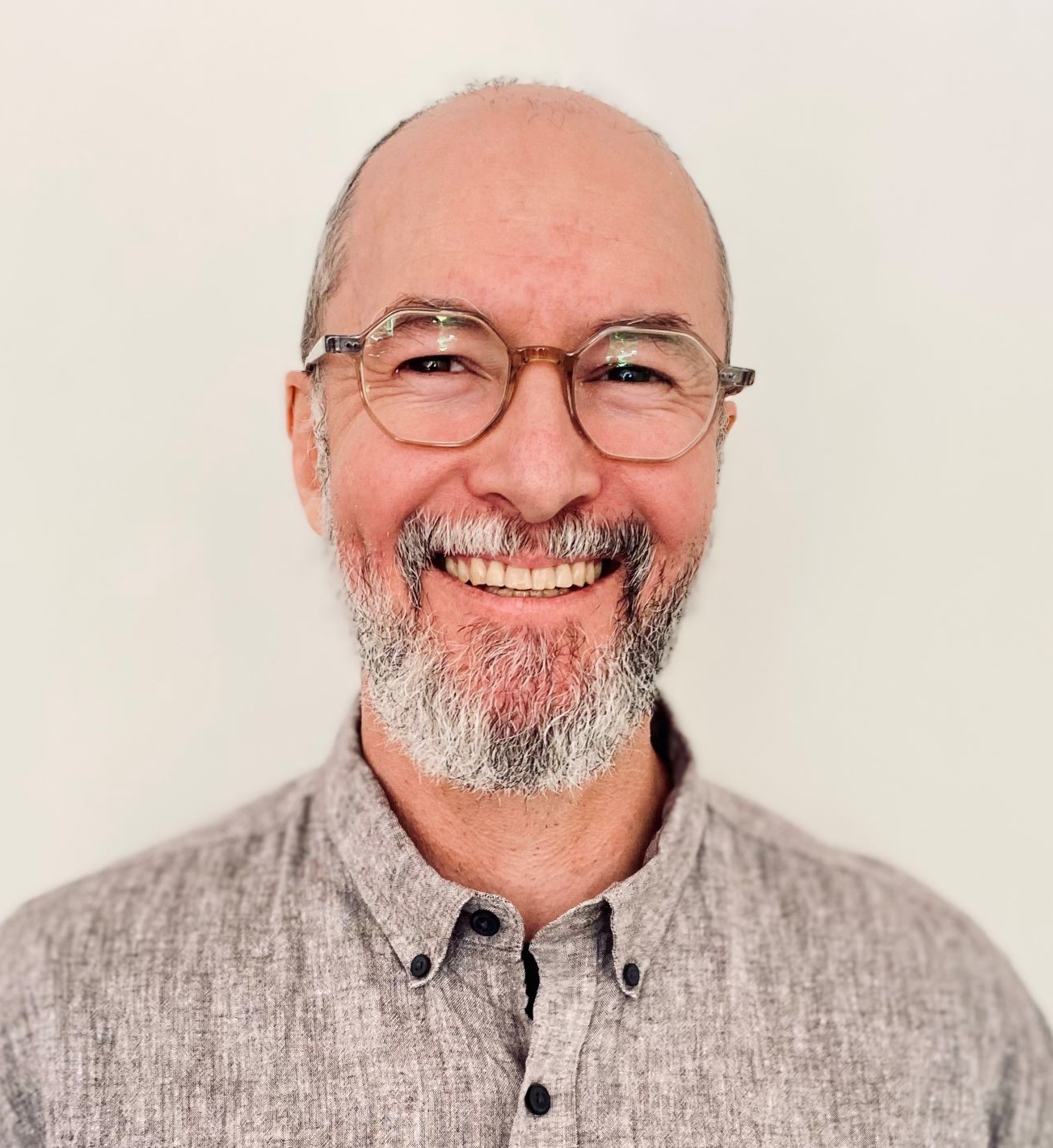 Ted Klein: "The most influential leaders I’ve met are very good at connecting just about everywhere they go. They make people feel seen and heard."
When Ted Klein describes the essence of leadership, he doesn’t talk about business strategy. He talks about the capacity to make someone feel seen.
That human-centred approach is at the heart of his work with senior executives.
In recent years, what changes have you observed in leadership dynamics?
Ted Klein: What we’re finding is that the old model of hierarchical leadership is outdated and works in very few situations.
It works when we have a crisis that we need to deal with. You know, ‘Everyone out of the movie theater, it’s on fire,’ command and control style and pacesetter styles work only sometimes. And over time they decrease motivation, cause burnout, and cause people to rebel, resist, and obstruct processes.
We have a lot more research and a lot more data now. So organizations have a better sense that when we talk about concepts such as positive energizers in an organization, it’s not just some hippie from California saying, ‘Hey, this is probably gonna work.’
We actually have clinical data that represents how that type of leadership affects productivity and retention rates and employment and all these other measures.
What’s a common challenge executive learners bring to you and how do you help them move past it?
TK: I often hear something like, ‘I have a hard time. I don’t want to connect with people because I’m really afraid of small talk. I just hate small talk. I never know what to say. I don’t know what I should ask them.’
What people often call small talk is actually an entry point. When you create even a little bit of purpose in a conversation, something shifts. People stop performing and start paying attention. What they consider small talk suddenly becomes really enjoyable.
I might give them a time constraint of three minutes where I tell them I’m going to pair them up with a partner and their goal is to find out the 10 things that partner would do on day one if they had a trillion dollars.
Suddenly they’re having a really deep, funny, weird conversation, all by giving them a little purpose. What happens next is that people listen differently. They interrupt for engagement, not to one-up or jump to advice. They reflect back what they’re hearing. They slow down. And suddenly there’s energy in the exchange. When that happens, once that trust is there, collaboration, creativity, and performance follow naturally.
What’s an early experience that still influences how you think about leadership or connection today?
TK: When I was young, I met the science fiction writer, Ray Bradbury. I went to a book signing and brought his books Dandelion Wine and The Martian Chronicles.
Bradbury said to me, ‘Not many kids want me to sign Dandelion Wine.’
I said it was one of my favourites. He said, ‘Me too.’
And then he looked at me, he looked in my eyes, and he said, ‘You have wonderful eyes — and don’t ever let anyone tell you that you don’t.’
There were a lot of people around, waiting, but in that little moment, he took the time to look into my eyes.
I had a lot of self-deprecation in my life growing up, and that moment felt like it just filled my sails. And that’s the thing. We actually have the capacity to do that for people. To stop, even for a moment, and really see them.
The most influential leaders I’ve met are very good at connecting just about everywhere they go. They make people feel seen and heard. They’re genuinely taking the time to connect, even if it’s brief, even if it’s just a passing moment.”