



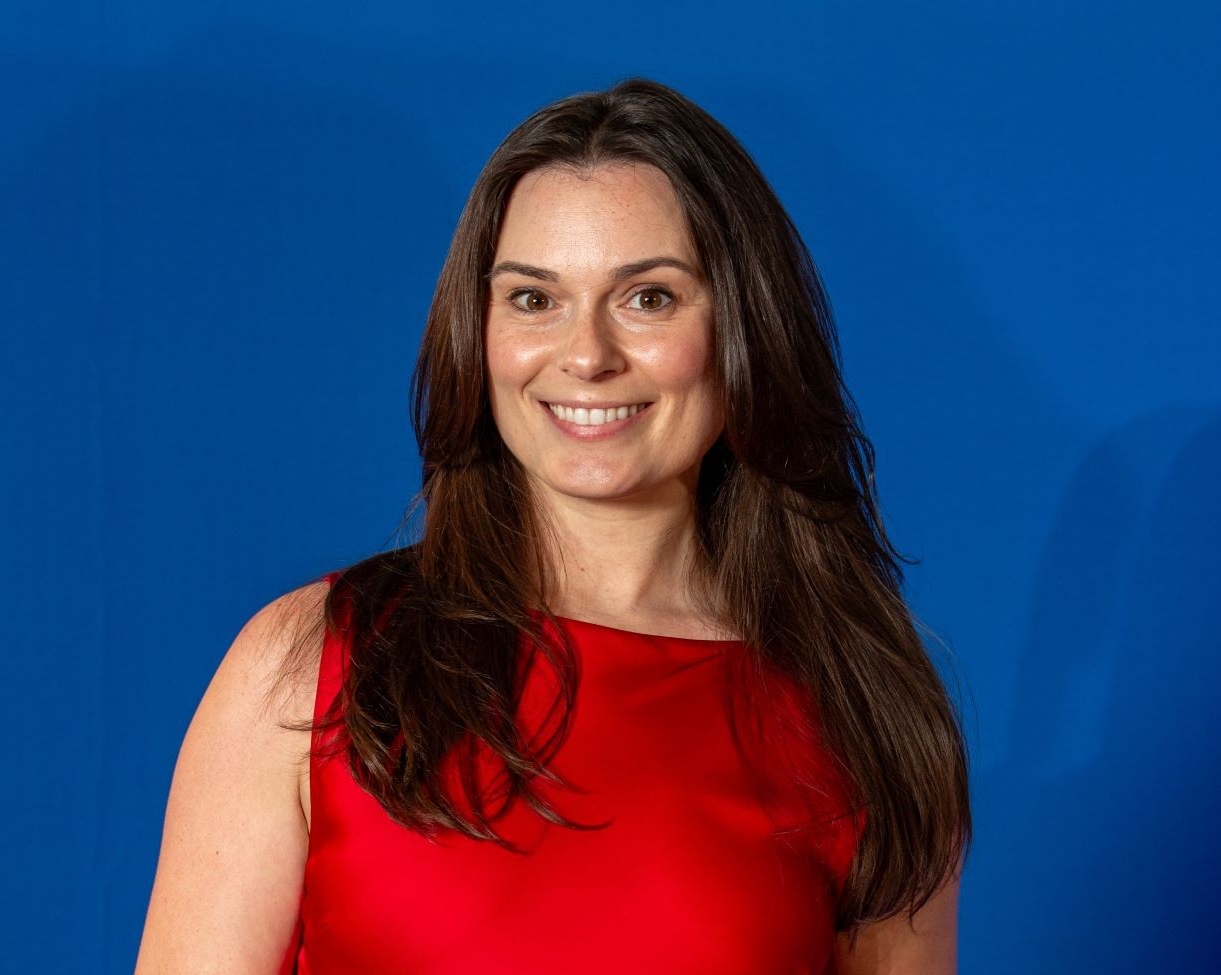
 Anne Laurie: “When language assessment tools recognize linguistic diversity, every child has a fairer chance to succeed.” Photos by Gabriel Darveau
A new language-assessment tool originally developed at Concordia is offering a more equitable way to understand how bilingual and multilingual children learn. The Curriculum-Based Dynamic Assessment (CBDA), which evaluates children’s learning potential regardless of the language they speak, may help reduce the number of children misdiagnosed with Developmental Language Disorder.
Designed to capture how children respond to guided teaching rather than how they perform on a single test, the CBDA is already in use by clinicians and educators through an online platform. Available in English and French, it evaluates children’s oral narratives and measures how they learn when given structured support. Instead of comparing a child’s abilities to a narrow norm, it examines learning potential, a variable that remains stable across a child’s languages.
“My goal is not just to see what a child already knows. I want to understand whether they can learn a targeted skill, to what extent they can learn it, and what that learning looks like,” says Anne Laurie, a postdoctoral researcher in the Department of Education.
Laurie became interested in culturally responsive assessment during early work with First Nations communities and refugee children. In this role, she witnessed the same pattern from different angles: learners were either labelled with a disorder because tools did not reflect their cultural and linguistic backgrounds, or disorders went unidentified because existing assessments were not used at all.
“Children were being labelled or overlooked based not on their abilities, but on whether the assessments fit their lived experience,” she explains.
A tool that supports children, their families, educators and clinicians
Laurie says traditional assessments often miss important strengths that children express differently across cultures. The CBDA counters this by analyzing 14 narrative skills, offering guided mediation on skills that require support. It also generates objective scales that track how much help a child needs and how well they apply what they learn.
Automated transcription and report generation simplify the process, allowing clinicians to focus on interpretation and follow-up with practitioners and families.
The impact reaches beyond individual evaluations. Teachers can gain clearer insight into what students can learn with support, while clinicians can receive richer quantitative and qualitative data. Families can gain confidence that decisions are based on learning potential rather than a single performance snapshot.
“When assessments recognize linguistic diversity, every child has a fairer chance to succeed,” Laurie says.
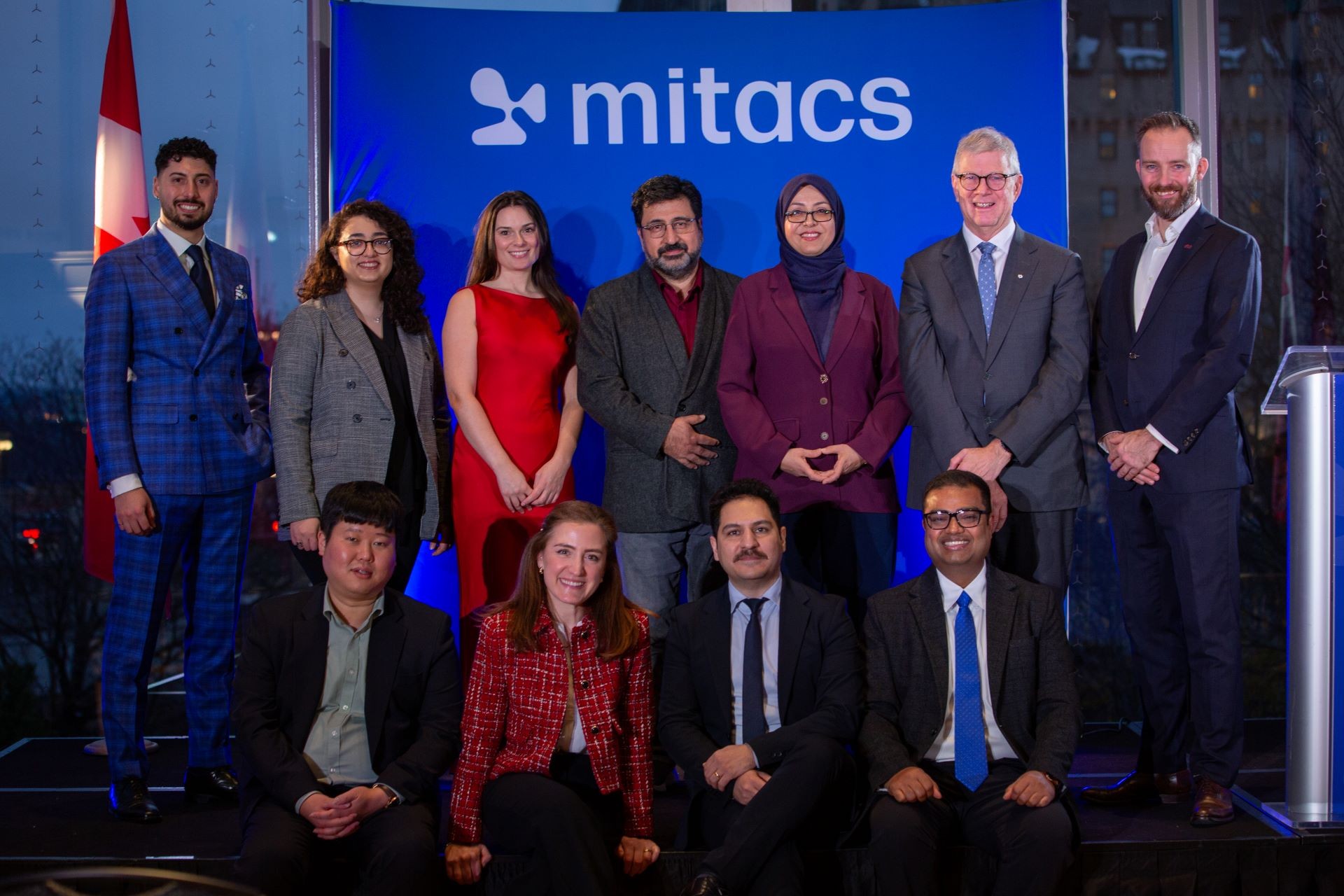 Laurie’s work was recently recognized with the Mitacs Inclusive Innovator of the Year Award, presented at the national 2025 Mitacs Innovation Awards in Ottawa. Photo by Gabriel Darveau