Date & time
Friday, September 18, 2026
10:15 a.m. – 3 p.m.
10:15 a.m. – 3 p.m.
Registration is closed


Registration is closed
Hybrid
This event is free.
4TH SPACE
J.W. McConnell Building
1400 De Maisonneuve Blvd. W.
Yes - See details
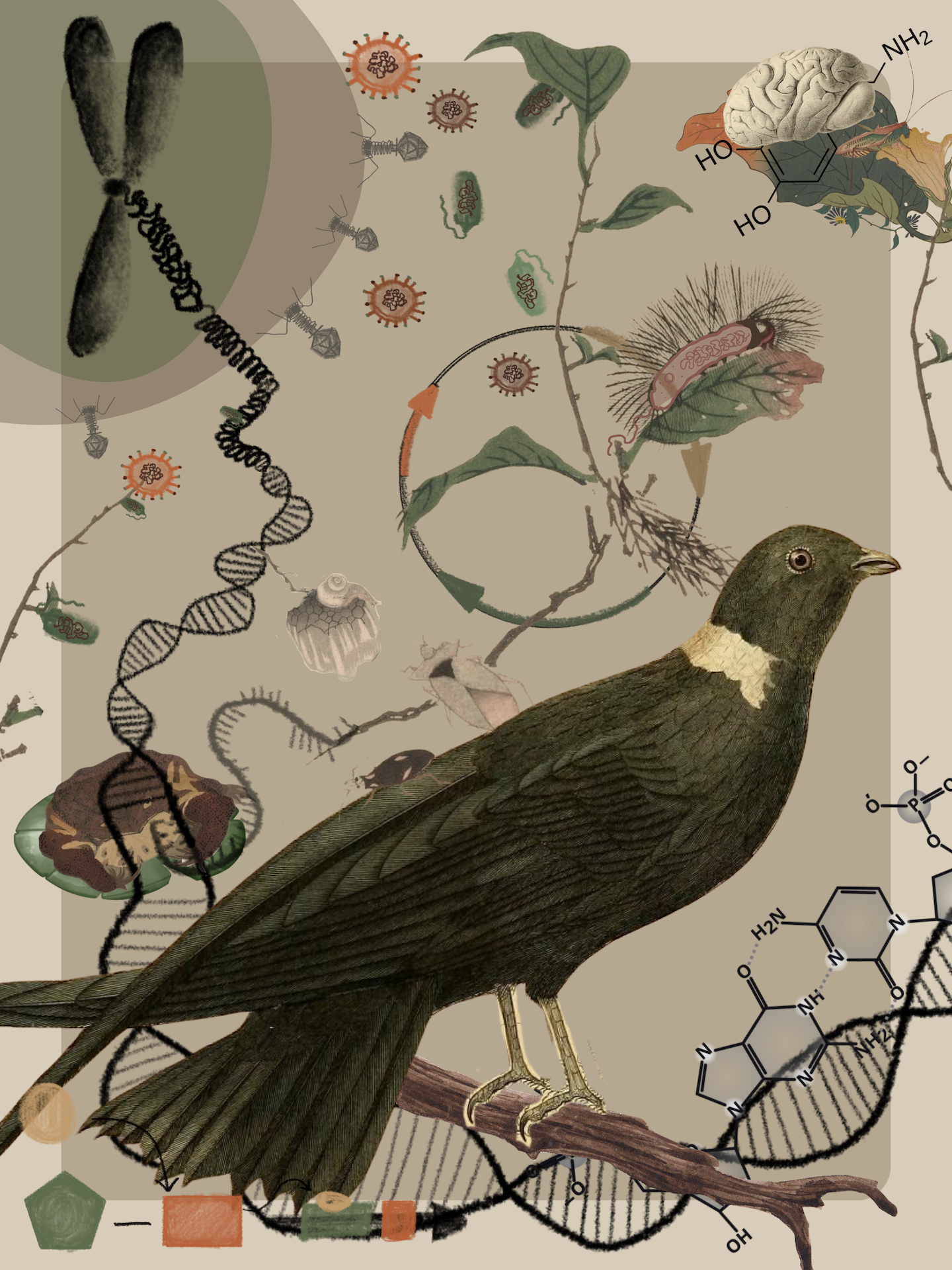
Genomics and genetic engineering are changing the way we interact with our world. These technologies allow us to create more biologically-inspired solutions for sustainable manufacturing, respond to environmental issues and climate change, create solutions to food security, and rapidly develop novel therapeutics.
With Concordia’s iGEM team, we are highlighting the potential of synthetic biology to address specific challenges. We are bringing together experts applying genetic modification technologies and working to decentralize genomics and genetic engineering: Who leads genetic editing discoveries and innovation? Who is best served by the technologies? And have governance frameworks caught up to the pace of technology so that the public can trust that advancements are responsibly scrutinized?
Agenda:
How can you participate? Join us in person by or online by registering for the Zoom Meeting or watching live on YouTube.
Have questions or if we can make this event more accessible for you: Contact us at info.4@concordia.ca
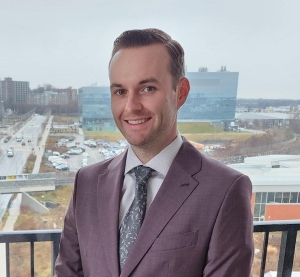
Programme Mangement Officer at UNEP-SCBD, covering Biosafety and Synthetic Biology.
Austein McLoughlin is a programme management officer at the Secretariat on the Convention on Biological Diversity. He leads on the programmes of work on synthetic biology under the Convention and risk assessment and risk management of living modified organisms under the Cartagena Protocol on Biosafety. Since 2019, he has been facilitating international discussions on biosafety and synthetic biology, while also supporting capacity-building on these topics in many regions of the world.
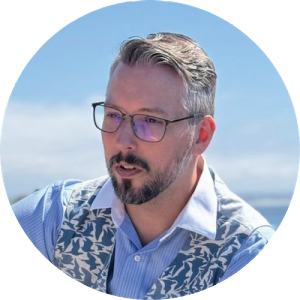
Lead Scientist at Revive and Restore doing genetic rescue of species.
Ben Novak is the lead scientist for the conservation non-profit Revive & Restore. He manages 24 projects developing biobanking, reproductive, and genome editing technologies for amphibians, birds, and mammals, including the audacious effort to recreate the extinct passenger pigeon by the early 2030s. While passenger pigeons are Ben’s passion and specialty, the conceptualization and advocacy of biotech-based genetic rescue solutions for all organisms have been a lifelong pursuit. He leads the world's first genetic rescue cloning programs that produced the first clone of a U.S. endangered species, a black-footed ferret cloned from cells biobanked in 1988. This project represents the first time in history that lost genetic diversity has been restored to an endangered species and is widely recognized as the seminal example of biotechnology's potential value in wildlife conservation.
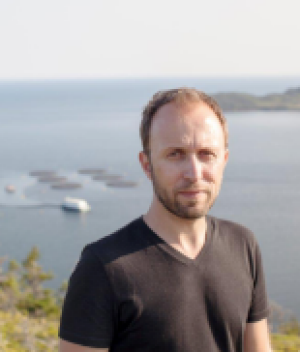
Research Scientist with the Department of Fisheries and Oceans (DFO) and contributor to the federal GenARCC initiative.
Dr. Ian Bradbury is a Research Scientist with Fisheries and Oceans Canada and an Adjunct Professor at Dalhousie University. His research uses genomics to understand how aquatic species respond and adapt to environmental change, with a particular focus on climate change, conservation, and sustainable fisheries. He is Co-Lead of GenARCC (Genomic Adaptation and Resilience to Climate Change), a national research initiative using genomics to understand and predict climate vulnerability and resilience across Canadian species. His work explores the genomic basis of adaptation, population resilience, and human impacts on wild populations, and how emerging genomic technologies can inform conservation and management in a rapidly changing climate.
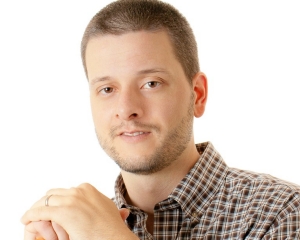
Professor at Concordia's Department of Biology, focused on ecology, evolution and genetics/genomics for conservation and habitat management.
Dylan's lab integrates ‘eco-evo-gen’ (ecology, evolution and genetics/genomics) towards more effective conservation and management of natural populations, species and ecosystems, with an emphasis on fishes. By bridging these disciplines, we investigate how eco-evo-gen mediates population diversification, productivity, persistence and responses to environmental change, including climate change, fishing and habitat fragmentation.
Concordia's iGEM team
The Genome Foundry
The Bioprocessing platform; Bio-Entrepreneurship at District 3
Synthetic biology applications and the Bioeconomy.
Coffee and light refreshments will be served in the morning.
Lunch bowls will be provided by our sponsor, Poulet Rouge, during our Exhibition Booth sessions.

Lunch bowls will be provided by our sponsor, Poulet Rouge, during our Exhibition Booth sessions.
Description: A panel conversation followed by in-person networking focused on synthetic biology to address specific challenges.
Organized by: Orly Weinberg; Mikayla Klumpp; Farmata Ngaido; Juan-Sebastian Avellaneda-Gomez; Amaury Braun
Participants:
Orly Weinberg
Farmata Ngaido
Austein McLoughlin
Ben Novak
Ian Bradbury
Dylan Fraser
With: iGEM; Centre for Applied Synthetic Biology and Structural Functional Genomics
Spectrum ID: