Long before returning to university, Eykel had been exposed to the healing potential of her work. In her character as Passe-Partout, she spent 20 years visiting children hospitalized with cancer — an experience that deeply affected her. “I would make them laugh and help them out of their despair,” she says. “And it helped the parents, too.”
Yet the emotional weight of those visits often left her in tears. She came to see drama therapy as the set of tools she needed — not only to support others more effectively, but to sustain herself as well.
After graduating, Eykel went on to work full-time as a drama therapist, first with children who had experienced sexual abuse and later, with vulnerable mothers in Montreal’s Hochelaga–Maisonneuve neighbourhood.
The language of children’s emotions
Reflecting on her years as Passe-Partout, Eykel is most proud of the genuine connections she formed with children from all backgrounds — francophone families, anglophone children in French immersion and newly arrived immigrants encountering the language and culture for the first time.
At the end of each episode, she would speak directly to the camera, naming emotions such as anger, sadness or joy in response to everyday experiences. Each child, she recalls, felt she was speaking directly to them. Through those moments, Eykel gave children the words to understand and express their inner lives.
Decades later, the impact of that work continues to resonate. “Adults now in their forties and fifties tell me how those conversations helped them through difficult moments, better understand themselves, or integrate into Quebec society,” she says, noting that several doctoral theses have since examined the Passe-Partout generation.
For Eykel, language has always been central — not only as a means of communication, but as an act of care and inclusion.
In recognition of her outstanding contribution to the promotion of the French language and Francophone culture, Eykel was named a Knight of the Order of La Pléiade in 2025. The international distinction recognizes outstanding contributions to the promotion of the French language and the ideals of La Francophonie.
Eykel looks back on her studies at Concordia with deep gratitude, particularly for her professor Yehudit Silverman, now retired. “She had the power to draw out from each of us what was most sparkling, most alive, so that we could offer it to others,” Eykel says. “What an extraordinary woman.”
Today, Eykel hopes younger generations will take two lessons from her journey: to remain rooted in their language and culture, and to never be afraid to change direction.
“Everything is possible — as long as you don’t close the doors yourself.”




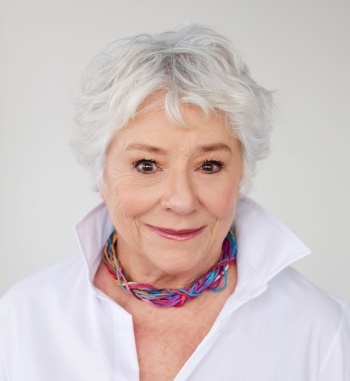 Marie Eykel, MA 04 | Photo: Frédérique Ménard-Aubin
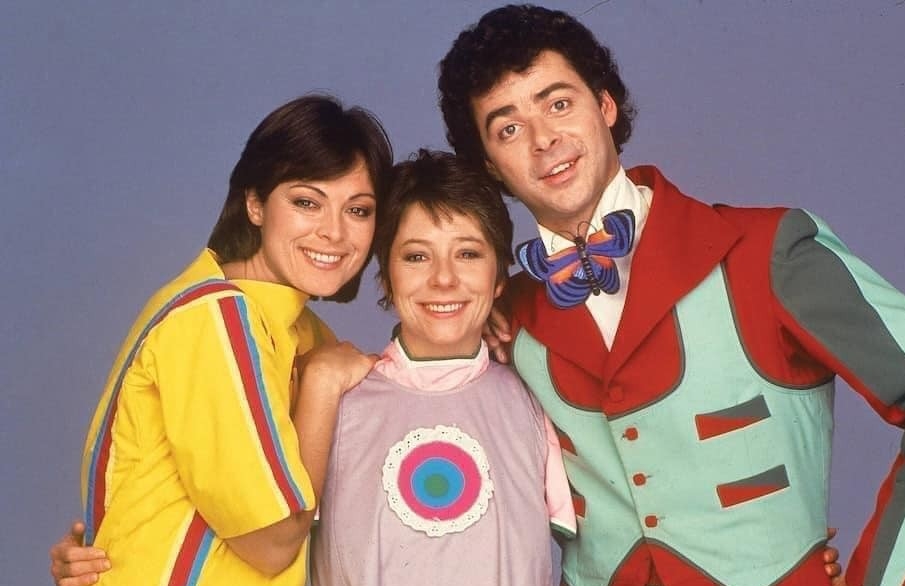 Marie Eykel, MA 04, as Passe-Partout (centre), pictured with Claire Pimparé as Passe-Carreau and Jacques L'Heureux as Passe-Montagne, from the original cast of the Quebec children’s show Passe Partout. | Source: Télé-Québec