

Instructor snapshot: Fenton Aylmer


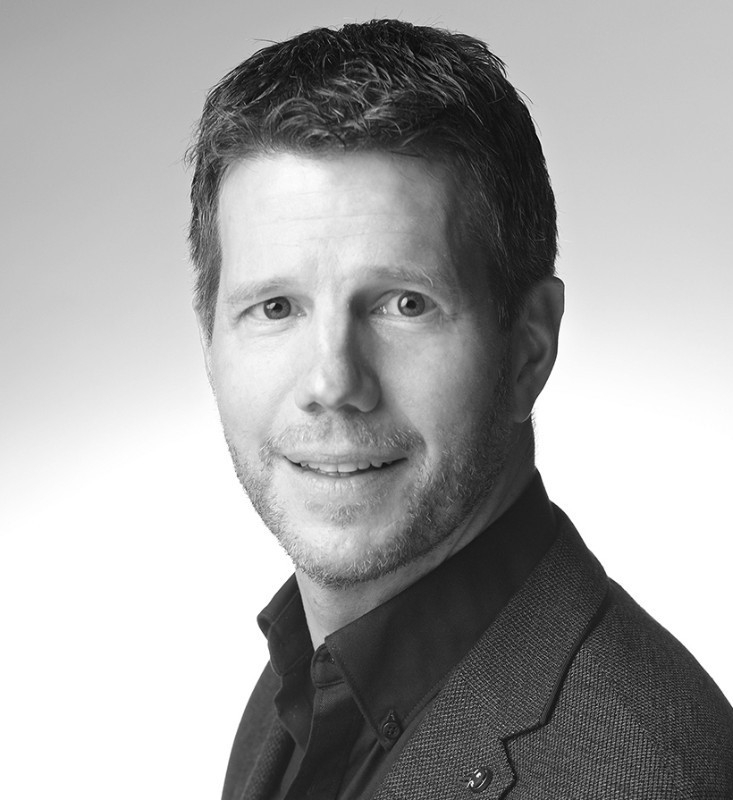 Fenton Aylmer, Executive Director of KPMG
Fenton Aylmer has spent his 30-year career guiding risk-related decision-making in large organizations. Now executive director of KPMG, Aylmer advises senior leaders on how to identify and address risk before it becomes a problem. He designed the John Molson Executive Centre’s Enterprise Risk Management program to help decision-makers understand where risk exposure shows up, how it carries across functions, and why it belongs in planning from the outset.
What inspired you to start teaching in addition to your professional work?
Fenton Aylmer: I actually fell upon a contract at Columbia University where they had a Master’s level program in enterprise risk management. Through mentoring grad students, I developed a deep appreciation of risk management theory after working in the field for 25 years.
This all helped solidify everything that I was doing practically and it really helped me understand why the theory existed in the first place. I found that really valuable, and worth sharing.
Can you share an experience that illustrates the importance of taking risk seriously at the leadership level?
FA: When I was the chief risk officer at a bank, I implemented a risk capital framework and a governance risk control framework. When I started using the framework to point out that we were taking outside risk in both liquidity and interest rate exposure, management didn’t want to deal with it because they didn’t want to give up any of their margin.
I left the bank after a year. Four years later, they made the news with huge losses in their commercial real estate lending, and the whole management team was replaced with new leadership to redress the bank.
What real-world challenges do you help learners tackle?
FA: Risk management is a strategic enabler of resilience and revenue. A risk-aware culture is better off in the long run. It starts by understanding the core mission and strategy of the firm. Once you understand that, the strategy of the firm distills into different strategic objectives, and each of those strategic objectives is going to have material risks tied to them.
Risks exist everywhere. You can’t formulate a strategy that will be profitable without taking risks. Risk management is really about understanding where those risks are inherent in your activities and ensuring that you are resilient enough, with the right accountability in place. It's about having the proper controls to reduce the impact or the likelihood of those risks happening.
Related program