
notice
New Publication: Prof. Naftali Cohn


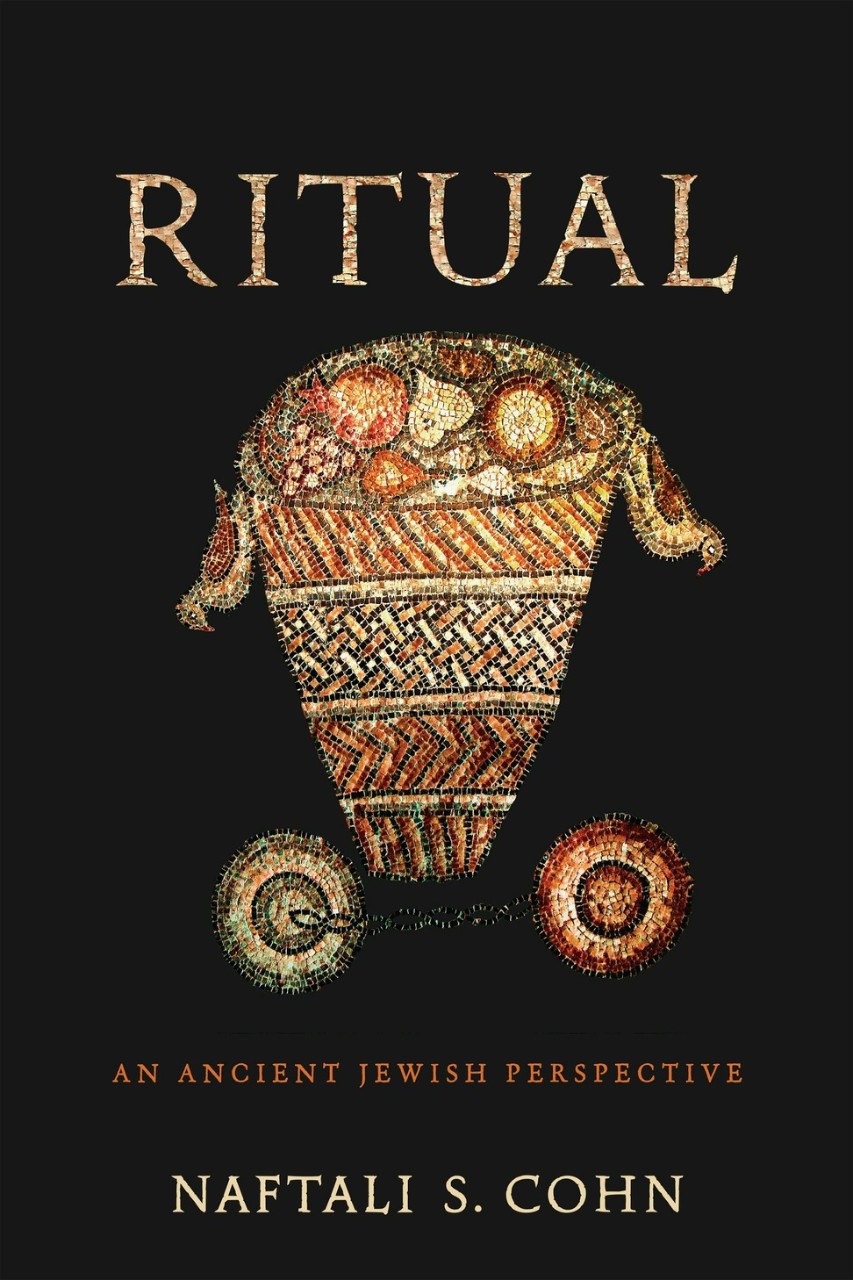
Dr. Naftali S. Cohn, Professor and Chair of the Department of Religions and Cultures, is the author of a new monograph, Ritual: An Ancient Jewish Perspective, published by the University of Pennsylvania Press.
Jewish tradition is known for its developed system of ritual practices, and what exists today stems especially from the third-century text known as the Mishnah. In this book, Cohn contributes novel approaches to interpreting textual representations of ritual, and to understanding the nature of this ancient text and of its theory of ritual. At its core, the book is motivated by age-old questions of what ritual is and what it does, and it offers new insights to these questions in general and to one set of ancient Jewish answers in particular.
Reading the text of the Mishnah closely and drawing widely from the analytic toolbox of ritual studies, Cohn argues that ritual, in the perspective of the Mishnah's authors, has multiple effects. Performing mitsvot - and refraining from the mitsvot "not to do" - shapes individual bodies by choreographing a person's interactions with the objects, spaces, times, and other bodies that form the environment in which they act. It shapes collective bodies by enabling social life and creating group idenity, even as it establishes differences between people and social hierarchy. Doing mitsvot also activates cultural ideas, connecting the people of Israel to their God, their past, their place, and each other. Repeated ritual action, further, forges body habits and generates the powerful feelings of obligation and, at times, even joy and love, which move people to continue to carry out these rituals.
Mitsvot, according to the Mishnah, have the power to shape Israeliteness, or Jewishness, in its every facet. By focusing so much attention on ritual behavior, Cohn shows how the Mishnah can also be understood as a rumination on the fundamental nature of activity itself, of doing, being, moving, and engaging with the world.