

New study reveals hidden chemical pathway that could improve our understanding of lake recovery

Concordia researchers discovered that an iron-sulfide mineral can help lock away phosphorus under oxygen-poor conditions
August 20, 2026
|

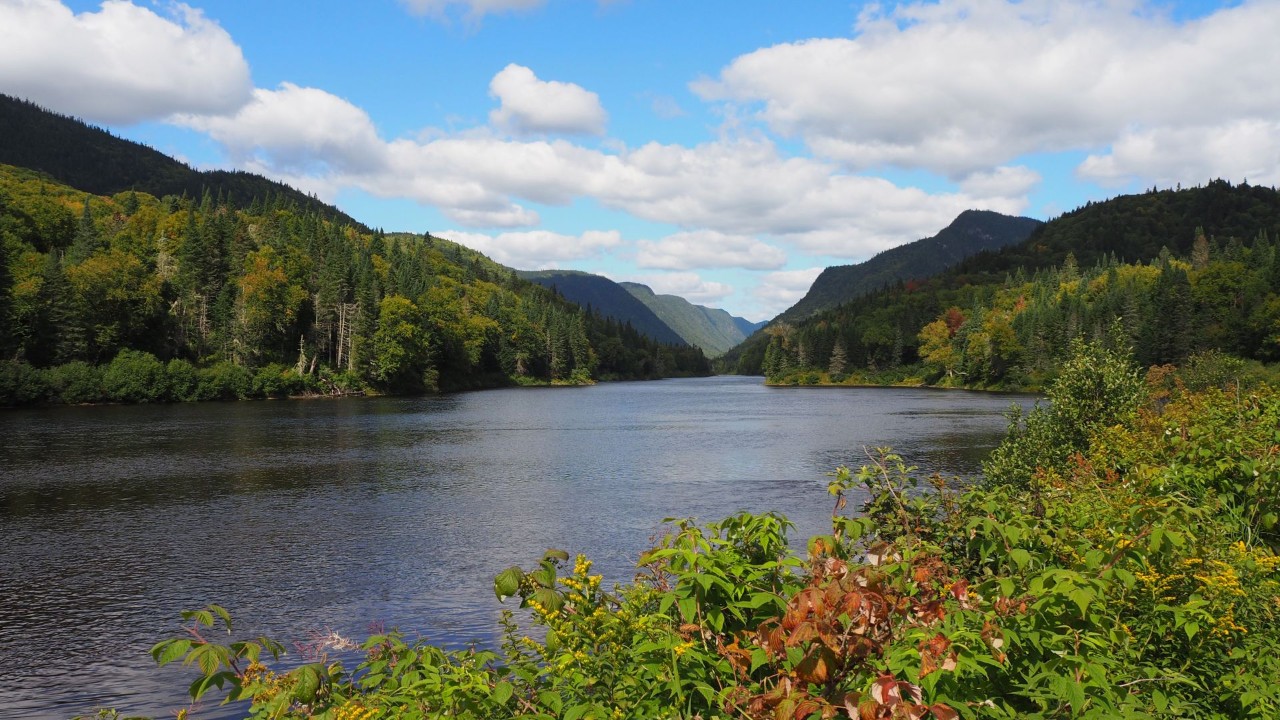
Tranquil river flowing through lush forested mountains in Quebec, Canada

Why do some lakes remain plagued by harmful algal blooms even after phosphorus pollution has been reduced? 

Part of the answer lies beneath the surface. A new Concordia study has uncovered a previously overlooked chemical process that can help trap phosphorus in lake sediments, preventing it from returning to the water where it can fuel excessive plant and algae growth.

Published in Scientific Reports, the study shows that mackinawite — an iron sulfide mineral that forms in oxygen-depleted sediments — can bind phosphorus under conditions where other phosphorus-trapping minerals become unstable. 

The discovery adds an important new piece to scientists' understanding of how nutrients move through freshwater ecosystems and could help improve predictions of how lakes recover from pollution.

“Sediments play a central role in controlling the quality of the water above them,” says Milad Ezzati, a PhD candidate in Concordia's Department of Chemistry and Biochemistry and lead author of the study.

“They store large amounts of minerals, nutrients and organic matter, some of which can move back into the overlying water. Even small changes in environmental conditions can release nutrients that directly affect water quality.”

A hidden source of phosphorus

Phosphorus is an essential nutrient for aquatic life, supporting everything from microscopic algae to fish. But too much of it can upset the balance of freshwater ecosystems, triggering eutrophication; a process that leads to excessive algal growth and, in some cases, harmful cyanobacterial blooms such as those seen in many lakes across southern Quebec during the summer.

Lake sediments can either help control this process by trapping phosphorus or worsen it by releasing stored phosphorus back into the water.

Scientists have long known that iron-rich minerals can lock away phosphorus when oxygen is present. But when oxygen levels decline, something we call “anoxic conditions”, these minerals break down, allowing phosphorus to escape into the surrounding water.

Ezzati and his colleagues wanted to know whether another mineral that forms under oxygen-poor conditions – mackinawite – might continue trapping phosphorus as those traditional minerals disappear. Their experiments showed that it can.

“In biogeochemistry, a sink is something that removes a compound from the active environment,” Ezzati explains. “Our findings suggest that mackinawite provides an additional pathway by which phosphorus can be retained under anoxic conditions, when traditional phosphorus-binding minerals are no longer stable.”
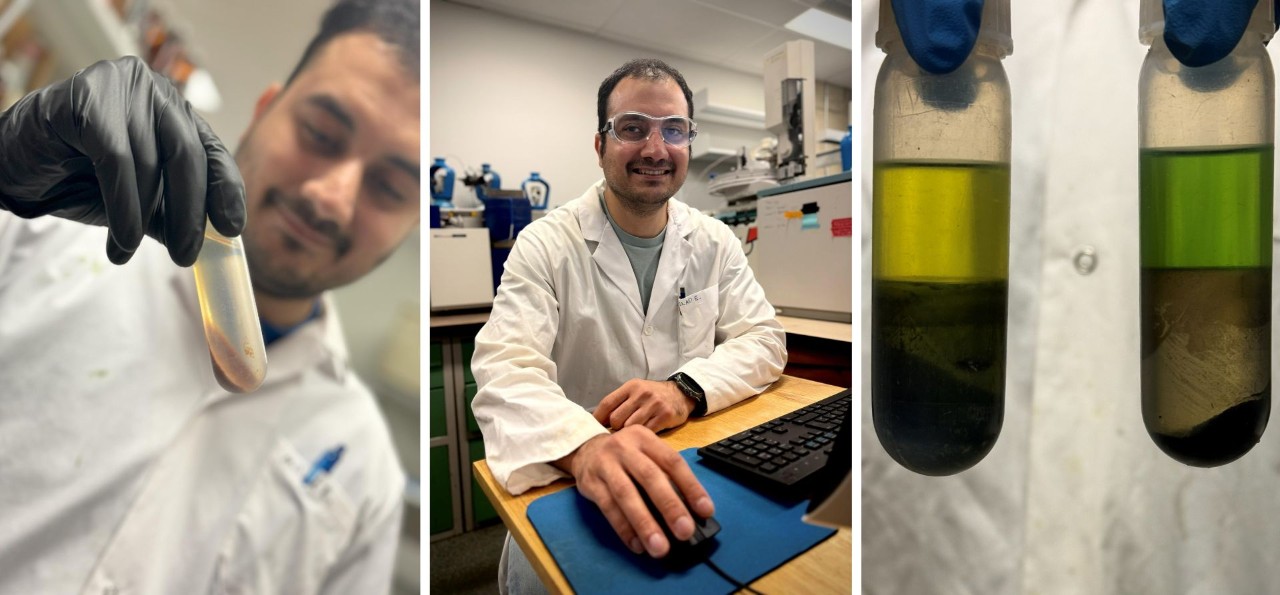
Three side-by-side photos of PhD candidate Milad Ezzati, in his lab

Rethinking phosphorus cycling

Until now, researchers generally recognized two main ways phosphorus could become permanently stored in oxygen-poor sediments: through the burial of organic matter or the formation of another iron-phosphorus mineral known as vivianite.

Mackinawite is commonly observed in organic-rich lake sediments, but its potential role in phosphorus cycling had not been investigated.

“Our results show that phosphorus cycling in lakes is more complex than previously thought and that iron sulfides may play a previously overlooked role,” Ezzati says.

The team also found that natural organic matter competes with phosphorus for space on the mineral's surface, reducing the amount of phosphorus mackinawite can retain. Further investigation could help researchers better predict nutrient cycling under different environmental conditions.

Better predictions for healthier lakes

Phosphorus enters lakes through a variety of human activities, including fertilizer runoff, wastewater, septic systems and shoreline development. Limiting those inputs remains essential to protecting freshwater ecosystems. 

While reducing phosphorus pollution at its source remains the most important strategy for protecting lakes, these findings could help scientists better understand how freshwater ecosystems respond once those efforts begin.

Current models suggest that phosphorus stored in sediments can continue cycling back into lakes long after external pollution has been reduced, slowing recovery.

Ezzati believes the newly identified pathway may remove some phosphorus from that cycle, potentially allowing lakes to recover more quickly than previously expected.

“Our interpretation is that interactions between phosphorus and mackinawite provide an additional pathway for removing phosphorus from lakes," he says. "The importance of this process still needs to be quantified at the whole-lake scale, but it may help us better predict how long it takes eutrophic lakes to recover once phosphorus inputs are substantially reduced.”

Next, the team plans to investigate how different forms of natural organic matter interact with mackinawite and how important this newly identified phosphorus sink is compared with other pathways in lake sediments.

“Many of the chemical processes occurring in the mud at the bottom of lakes remain poorly understood,” Ezzati says. “By understanding these reactions, we can improve our ability to diagnose current lake conditions and better predict the future health of freshwater ecosystems.”

The study was co-written by Yves Gélinas, professor in the Department of Chemistry and Biochemistry.

Read the cited paper: “Phosphate immobilization by mackinawite in freshwater sediments and the competitive role of organic carbon


Learn more about this research in the Department of Chemistry and Biochemistry.


Back to top

© Concordia University