

Date & time
Tuesday, November 17, 2026
12 p.m. – 1:30 p.m.
12 p.m. – 1:30 p.m.


Online
Myrlie Marcelin
This event is free.
Does your experience of modern dating as a Black person or person of color ever contribute to your need for self-care? Single Millennials and Gen Z often report that they feel discouraged by today’s dating prospects, while the presence of anti-Blackness in online dating apps highlights an ongoing and deeply rooted societal issue: the relationship between dating preferences and racial prejudice, or attitudes that lead to the valuing or favoring of one racial or ethnic group over another.
These experiences of love and dating reinforce the importance of recognizing our value and worth, even when society doesn’t, while empowering us to care for ourselves through practices that promote self-preservation and self-love.
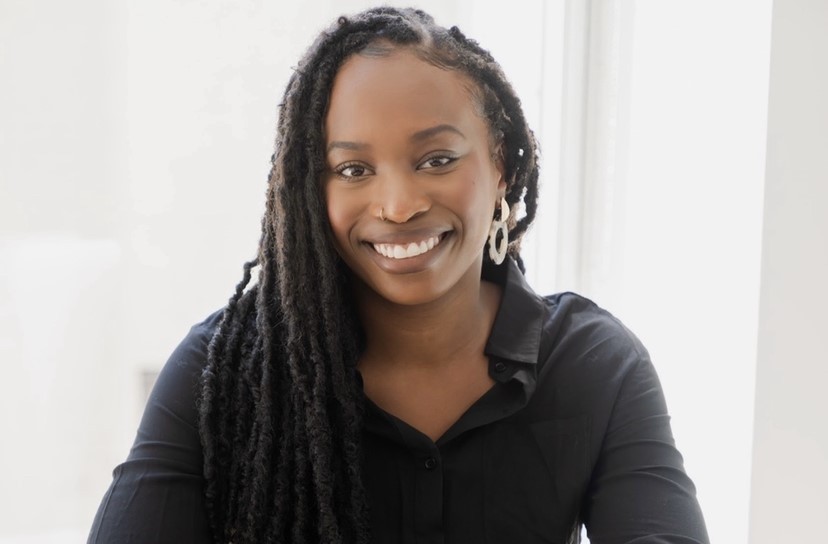
Myrlie Marcelin (she/her), Psychotherapist
Myrlie Marcelin is a clinical social worker, psychotherapist, couple and family therapist, wellness facilitator, and speaker based in Montreal, Quebec. Myrlie works towards empowering, supporting, and critically exploring individuals, couples, and families in a therapeutic and relational capacity. In addition to providing therapy, she facilitates psycho-educational workshops and events aimed at promoting mental health and well-being. She has specific knowledge and expertise in addressing the unique issues and challenges encountered by Black communities in Montreal, along with other ethnic minorities and members of the LGBTQ2+ community.