

Date & time
Friday, April 10, 2026
3 p.m. – 4:30 p.m.
3 p.m. – 4:30 p.m.


Sara Shneiderman
This event is free
Sociology and Anthropology
Henry F. Hall Building
1455 De Maisonneuve Blvd. W.
Room 1120
Yes - See details
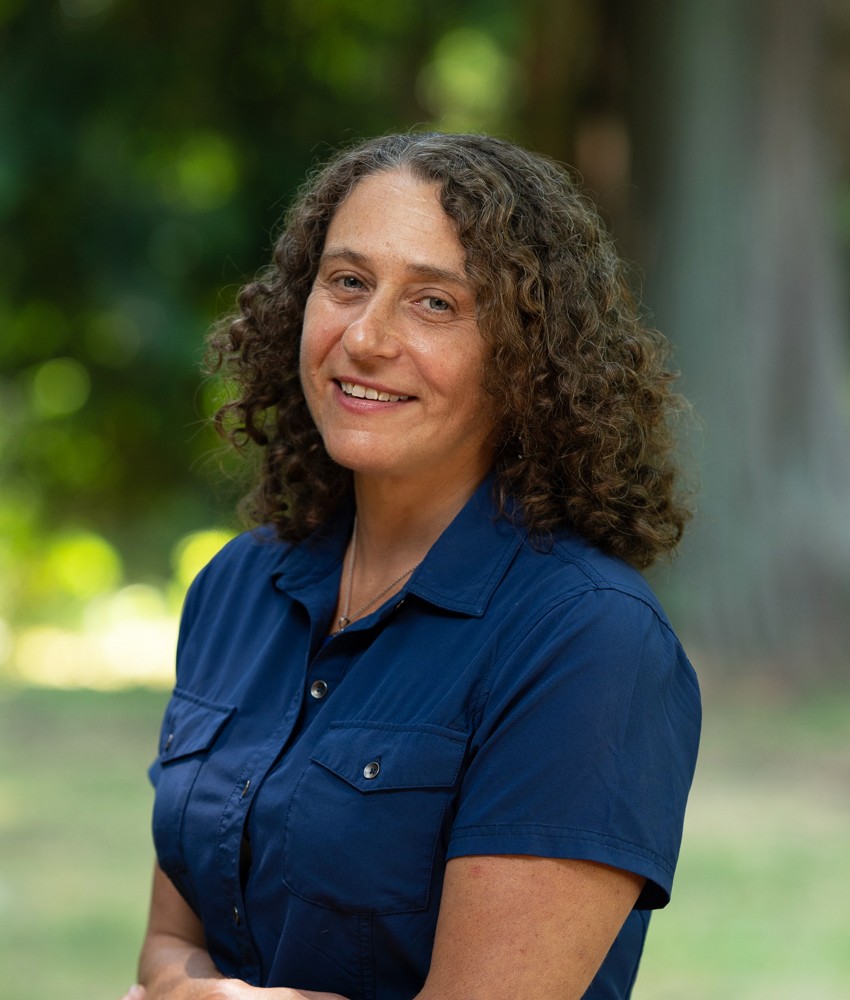 Sara Shneiderman, Associate Professor, Department of Anthropology and School of Public Policy & Global Affairs, University of British Columbia
How does hydropower development reshape landscapes and livelihoods far away from the flow of water itself? Much critical scholarship has addressed riverine environmental impacts and the often devastating outcomes of dam-related displacement for downstream communities, as well as the mobilization of resistance to these developments. This presentation builds on such work to ask how the transnational flows of materiality, expertise, and capital that accompany large-scale infrastructural development can transform rural communities situated along lines of hydropower transmission at a distance from power-generating rivers and dams themselves.
I explore these questions in the context of an Indigenous community in Dolakha, Nepal, whose fields and forests have over the last decade become host to lines of transmission from multiple hydropower projects that originate near the northern border between Nepal and China’s Tibetan Autonomous Region (TAR). At source, these power-generating installations serve as meeting points for people, ideas, and things from all over the Himalayan region, as Chinese and Indian engineers and administrators, Tibetan pilgrims and Nepali contract labourers, mingle in unexpected ways to produce the actual flow of water. The resulting energy that flows through the network of towers to reach its final destination—usually India or Bangladesh— brings diverse communities along the way into relation with the material, political, and economic transformations of hydropower development. These include a novel initiative to offer communities along the transmission line investment opportunities through Initial Public Offerings (IPO) of shares in various hydropower projects, a new form of resource financialization which has generated much excitement as well as confusion.
Drawing upon a chapter of my ethnography in process, Restructuring Life: Conflict, Disaster, and Transformation in Nepal, this photographically-illustrated presentation develops an infrastructural biography of the hydropower tower to explore how community members living along lines of transmission conceptualize their own geographical and social location in relation to the ongoing transformations that hydropower development brings.