

Symposium on Indigenous land-based educational practices
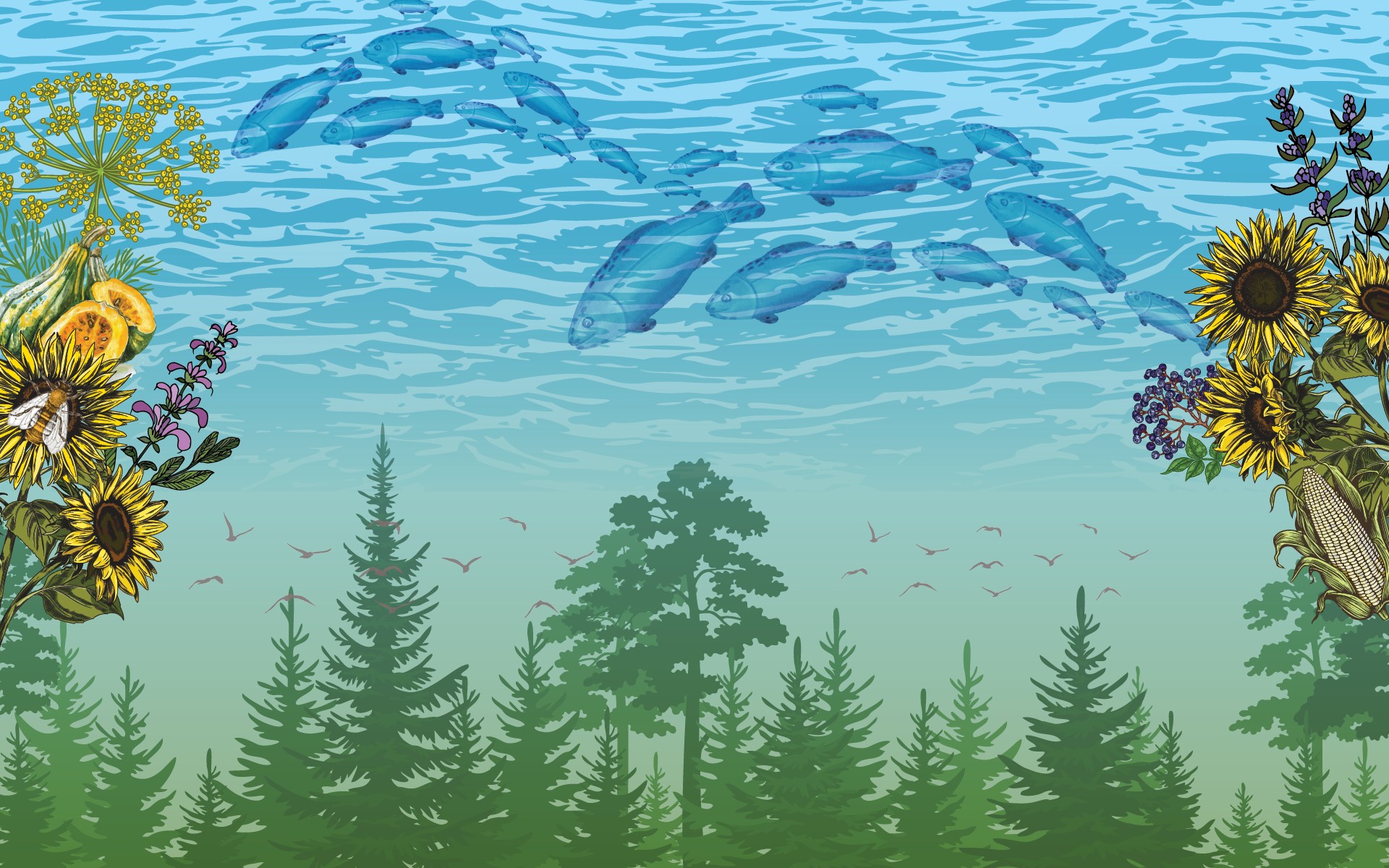
Perspectives on climate action
March 25 – March 27, 2026
The Office of Decolonizing and Indigenizing Curriculum and Pedagogy organized a multi-day symposium to foster exchanges and learning in support of Indigenous led, decolonial, collective education and action toward just and sustainable futures. You can now view the recorded symposium panels and presentations via the links below:
About the symposium
As part of its Indigenous Land-Based Education Initiatives programming, Concordia University’s Office of Decolonizing and Indigenizing Curriculum and Pedagogy is partnering with various Indigenous and community-based educational organizations and projects to present the Symposium on Indigenous Land-Based Educational Practices: Perspectives on Climate Action.
This multi-day symposium brings together Indigenous environmental leaders, Knowledge Keepers, scholars, and educators whose work is rooted in community-led and land-based approaches that are essential to advancing Indigenous-led responses to climate change.
Through panel discussions, presentations, and workshops that encourage shared learning, critical reflection, and collective dialogue at Concordia University, March 25 (open to all) and in Kahnawà:ke, March 26-27 (with community-based educational partners and invited guests*), symposium participants will engage with topics and initiatives that are critical to strengthening Indigenous climate solutions.
*The symposium continues on Day Two and Day Three in Kahnawà:ke on March 26 and 27. These events are by invitation. For more information, please contact melissa.forcione@concordia.ca. A summary of these Day Two and Three speakers, facilitators, and events will be shared on this webpage at a later date.
Symposium themes
- Food sovereignty and traditional foodways
- Indigenous rights and governance
- Language and cultural revitalization
- Community self-determination, sustainability, and resilience
- Intergenerational knowledge sharing
- Protection of lands and waters
- Resistance to ongoing colonial incursions
- Education rooted in Indigenous land-based knowledge systems
Speakers on day one - March 25, 2026
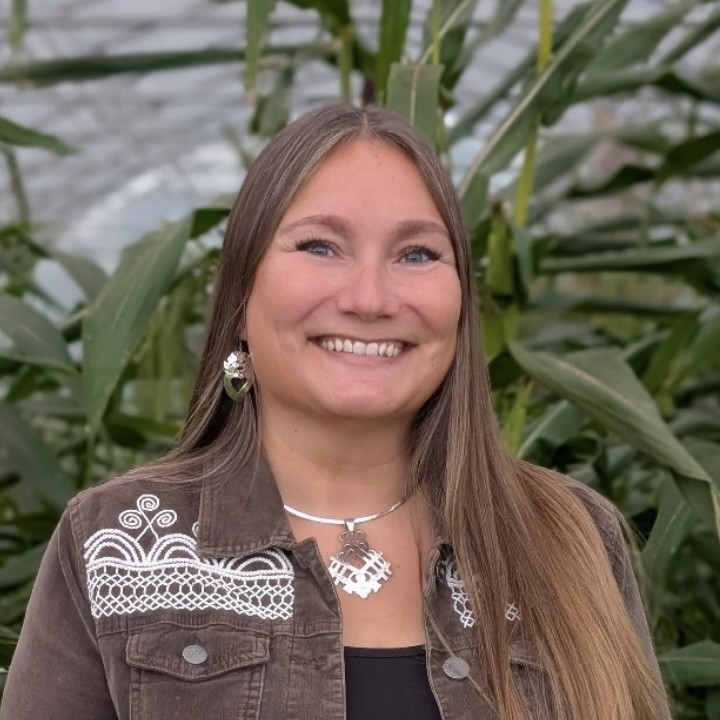 Rebecca M. Webster
Rebecca M. Webster is an enrolled citizen of the Oneida Nation in Wisconsin and the Executive Director of Ukwakhwa (Our Foods), a grassroots 501(c)(3) nonprofit based on her family’s 15-acre teaching farmstead on the Oneida Reservation. She is also Director of Graduate Studies and an Associate Professor in the American Indian Studies Department at the University of Minnesota Duluth. She is a skilled artist in raised beadwork and black ash basketry, mentored by community artists and with over two decades of experience in these traditional art forms. She is a multi-published author whose scholarly works focus on the issues Haudenosaunee people face as a result of colonization, assimilation, and removal, and the impacts on traditional governing structures, language, history, and agriculture.
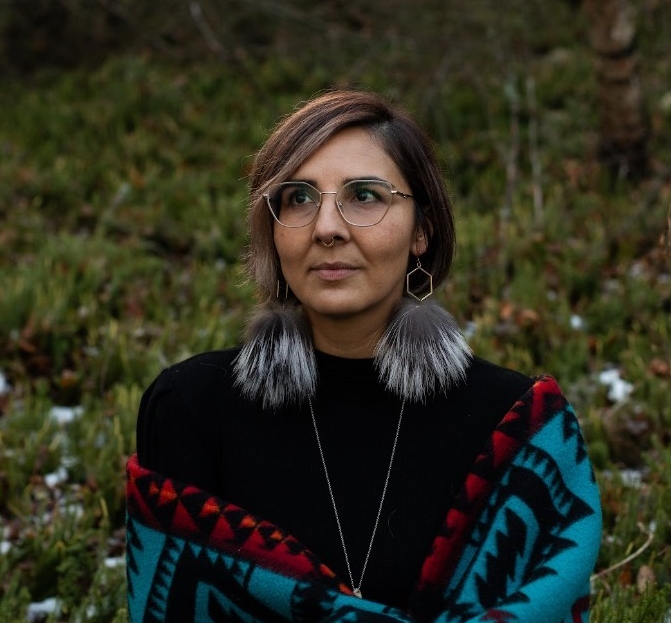 Eriel Tchekwie Deranger
Eriel Tchekwie Deranger is a member of the Athabasca Chipewyan First Nation (ACFN) and President and founder of Indigenous Climate Action (ICA) and The Woven Project and 2024 winner of the global Climate Breakthrough award. Deranger is active in international Indigenous rights advocacy movements participating in various boards and UN bodies. Deranger’s work focuses on Indigenous rights, climate justice and intersectional movements. She is recognized for her role as spokespersons for her community in the international Indigenous Tar Sands Campaign. Prior to this she was a Specific Land Claims and Treaty Land Entitlement Researcher for the Federation of Sovereign Indigenous Nations. Deranger has written for various magazines and publications; featured in documentary films including Elemental (2012); and is regularly interviewed for national and international media outlets.
 Katsi'tsakwas Ellen Gabriel
Katsi'tsakwas Ellen Gabriel – A graduate from the New York Film Academy in documentary film making in December 2021, provided Ellen with new tools in her advocacy to reclaim the narrative of stories of Indigenous peoples. In May of 1990 Ms. Gabriel graduated from Concordia University with a Bachelor of Fine Arts degree, major visual arts.
Ms. Gabriel was well-known to the public when she was chosen by the People of the Longhouse and her community of Kanehsatà:ke to be their spokesperson during the 1990 “Oka” Crisis; to protect the Pines from the expansion of a 9-hole golf course in Kanehsatà:ke, the colonial imposed name of “OKA”.
Ms. Gabriel is a Steering Committee member with Indigenous Climate Action addressing the needs and solutions to the violations of Indigenous peoples’ human rights, the climate crisis and environmental rights.
In 2004, Ellen Gabriel was elected president of the Quebec Native Women’s Association a position which she held for 6 ½ years, until December 2010.
In June 2024, Ms. Gabriel received an honorary doctorate from the Université de Québec à Montreal for her work in human rights.
 Kristy Snell
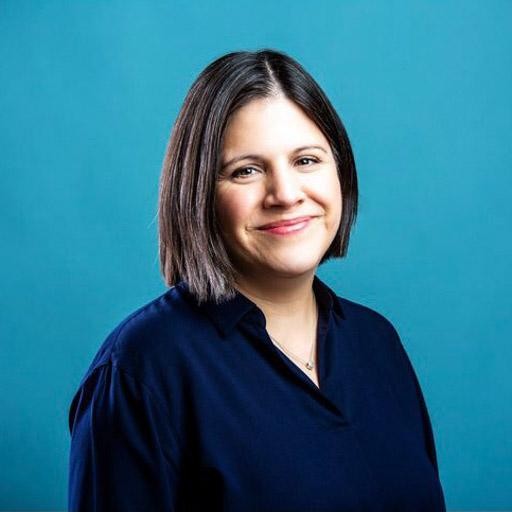
Kristy Snell is an award-winning multi-platform journalist and associate professor at Concordia, where her work focuses on decolonizing journalism/practice, experiential pedagogy, and Indigenous education. As Academic Leader of the Institute for Inclusive, Investigative, and Innovative Journalism (I3J), Kristy has developed a long-term collaborative relationship between Concordia’s Department of Journalism and Kahnawà:ke Survival School, which introduces journalism to Kanien'kehà:ka high school students while educating Concordia students on culturally responsible journalism practices with Indigenous communities. Before coming to Concordia, Kristy spent 14 years as CBC Radio morning news anchor/editor for Montreal/Quebec. Kristy holds a Master of Education (MEd) specializing in Indigenous education from the University of British Columbia. She is a member of Standing Buffalo Dakota Nation in Saskatchewan.
 Dr. Mel Lefebvre
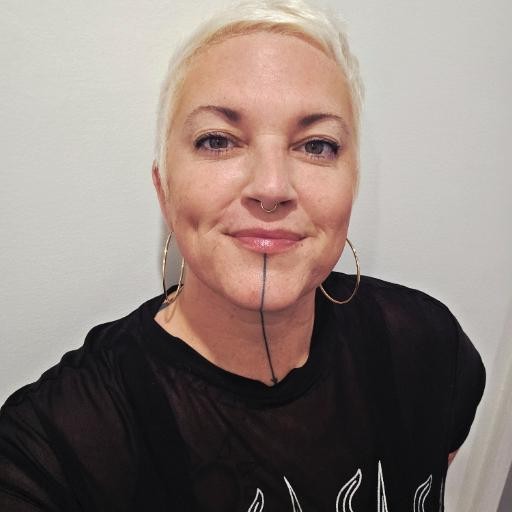
Dr. Mel Lefebvre - I am a Two-Spirit (2S) Michif, Nehiyaw, French, and Irish mother and ancestral skin marker (traditional tattoo practitioner). I am also a community worker, artist, writer, and scholar in Concordia University's First Peoples Studies program.
*For a more fulsome biography, see Dr. Lefebvre’s faculty profile.
 Ella Martindale
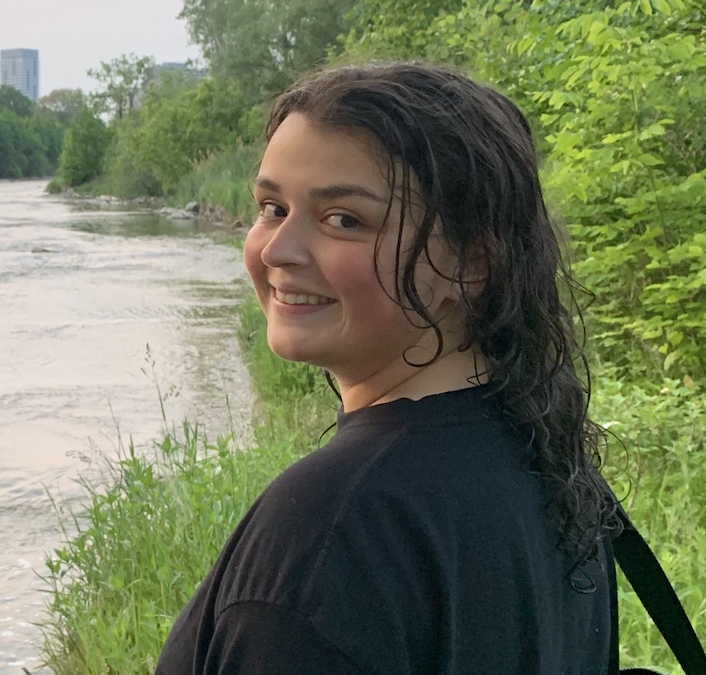
Ella Martindale is an instructor in the Indigenous Land-Based Education Microprogram at Concordia University. She is a community-based researcher and organizer with a focus on Indigenous methodologies. She is Quw’utsun Mustimuhw, and grew up on Nisga’a and Tsimshian territories. She is an intentional guest in Tiohtia:ke.
 Katsi’tsarónkwas Brooke Rice
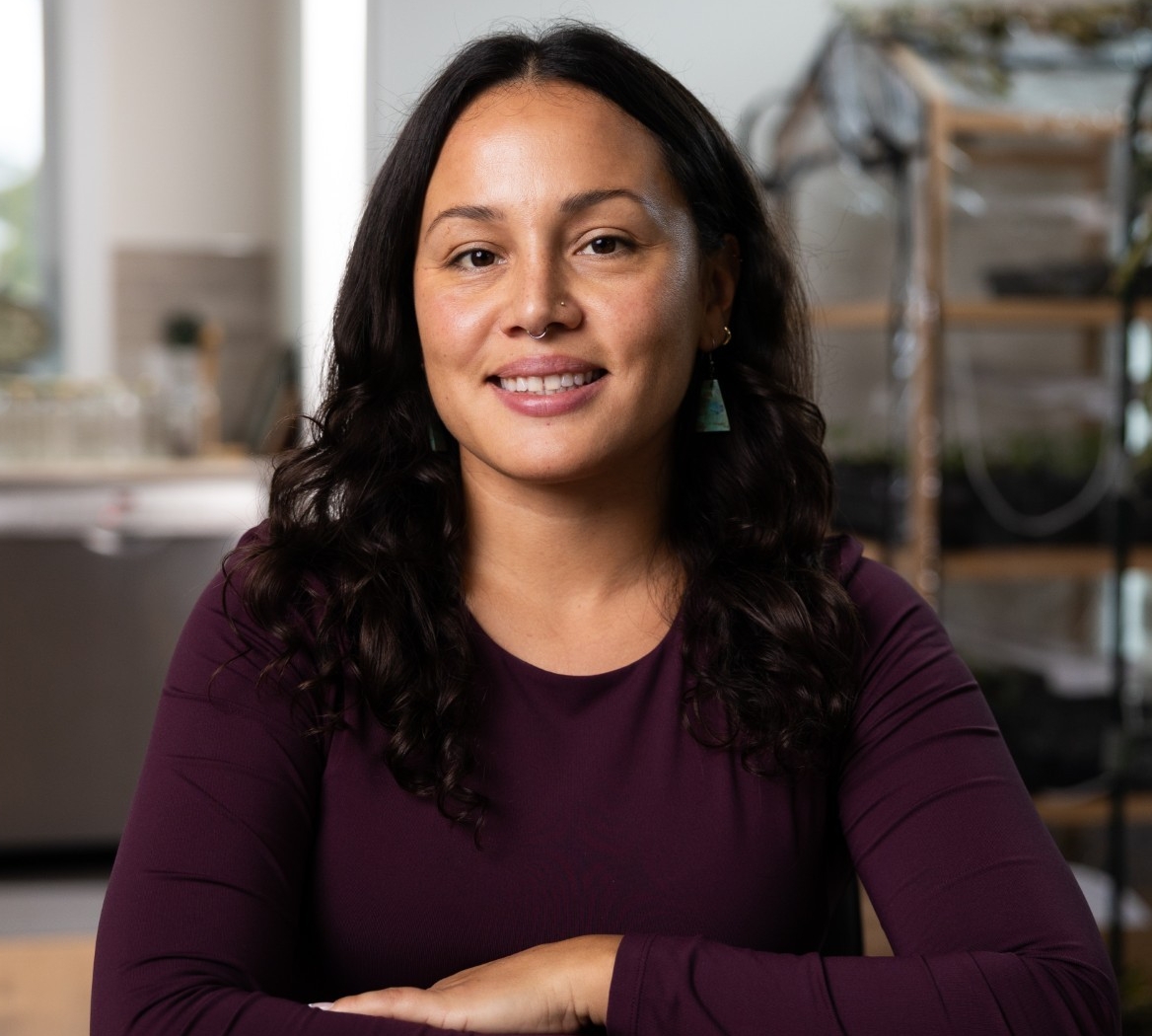
Katsi’tsarónkwas Brooke Rice is a Kanien’kehá:ka Snipe Clan woman from Kahnawà:ke and founder of Tkà:nios – It Grows, a grassroots initiative dedicated to land-based learning, ancestral seeds, and traditional foodways. Her work strides towards food sovereignty and community wellness through intergenerational knowledge transference guided by 13 lunar cycles of Grandmother Moon. As cultural wellness weaver she collaborates with youth, Elders, Indigenous knowledge-sharers, and cultivators to restore relationships between people, food, and land. Brooke’s vision is to build a Haudenosaunee Agri-Food Center, advancing sovereignty, reciprocity, and regeneration across food systems.
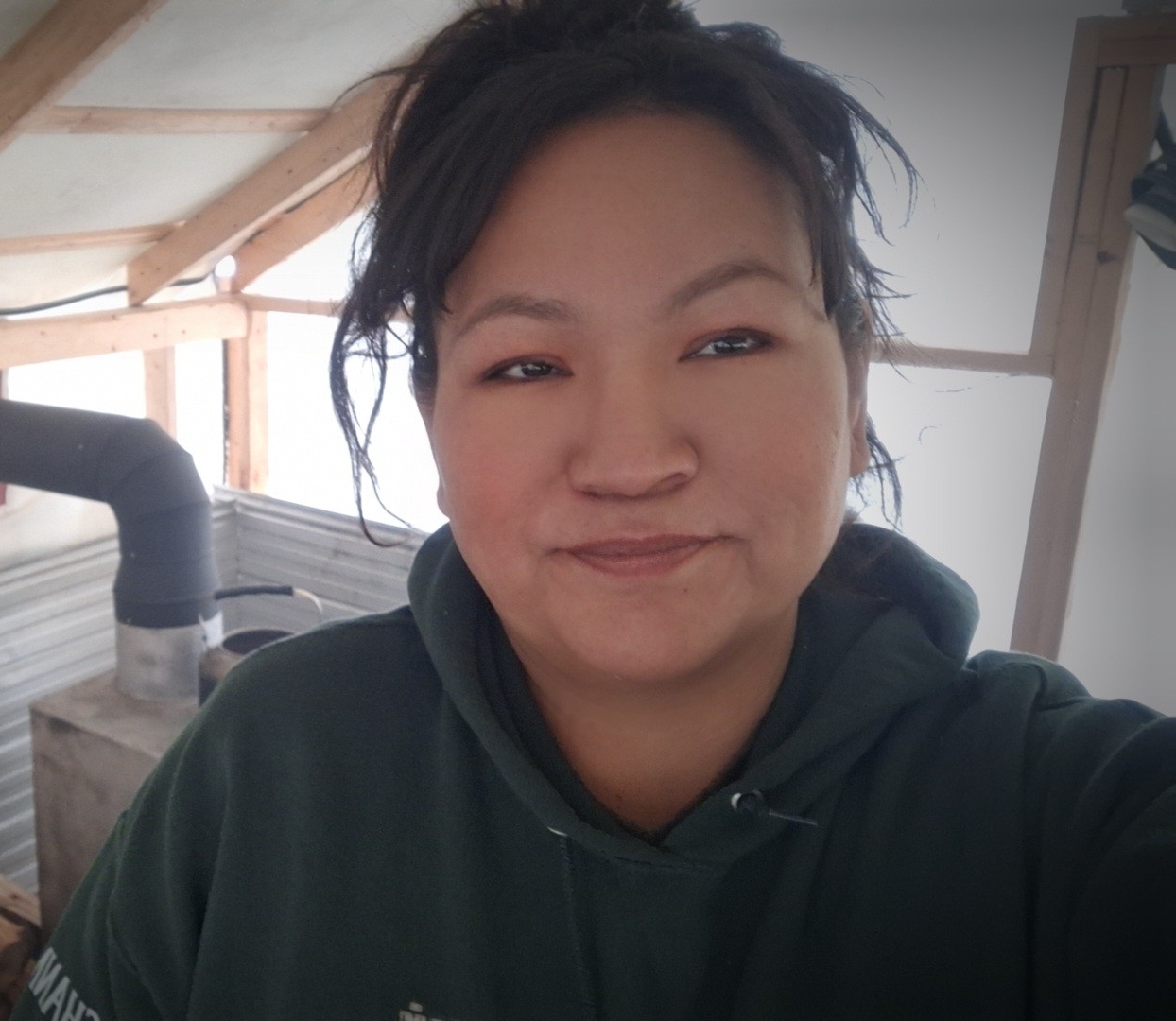 Shannon Chief/Waba Mako
Shannon Chief/Waba Mako is Wolf Clan from the Anishnabe-Algonquin Nation. She contributes at various levels to the decolonization and the restoration of her people’s sovereignty. The defense and protection of land, waters and language is a priority for the Anishnabeg. Waba is a Knowledge Keeper who prioritizes knowledge & language sharing to Anishnabe communities. Waba is the former AMC coordinator for the Anishnabe Moose Studies which has always been community-driven project from 2022 to 2025. Today, Waba is the Interium Executive Director for Tinakiwin, a newly non profit organization established to continue on the advocacy work within the Algonquin Territory.
Our funders
This Symposium was made possible by the generosity of our funders.
Chamandy Foundation
Founded in 2015, Chamandy Foundation is a private family foundation based in Montreal with a commitment to supporting a brighter, more equitable future for children and youth. We work in partnership with grassroots and community-based organizations across Canada, that are dedicated to advancing equity and improving the well-being of young people. We work in solidarity with non-profits that promote education, protection of the environment, alleviation of childhood poverty and the improvement of children’s physical, social and mental well-being.
Indigenous Climate Action
Indigenous Climate Action is an Indigenous-led organization guided by a diverse group of Indigenous knowledge keepers, water protectors and land defenders from communities and regions across the country. We believe that Indigenous Peoples’ rights and knowledge systems are critical to developing solutions to the climate crisis and achieving climate justice.
Our partners
The Office of Decolonizing and Indigenizing Curriculum and Pedagogy would like to thank our partners for their support.

4th Space Concordia
Located in the heart of downtown Montreal, 4TH SPACE is a uniquely flexible public space that acts as your gateway to the research and learning activities at Concordia University. Through an ongoing series of events, we regularly engage with a new question, project, or initiative happening at Concordia. We work collaboratively across disciplines to create programming that fosters knowledge-sharing, building community relationships and industry partnerships.
The SHIFT Centre for Social Transformation
The SHIFT Centre for Social Transformation aims to create a transformative collaboration ecosystem where diverse people, communities, and organizations work together to address major societal challenges and create a more just, inclusive, and broadly prosperous Montreal. We support our community partners and their work through impact-oriented participatory research, strategic guidance, our collaborative space, knowledge and skill-sharing events, our journal, and experiential learning programs.
First Nations Regional Adult Education Center
At First Nations Regional Adult Education Center, we aim to encourage & support our students, so they will develop and maintain the motivation they need to reach their educational and future employment objectives. We teach core courses through the integration of Mohawk and First Nations traditions. By doing this we have created more than just a school.

Ukwakhwa (Our Foods)
Ukwakhwa (Our Foods) is a grassroots 501(c)(3) nonprofit founded by enrolled citizens of the Oneida Nation in Wisconsin. Our mission is to help the community learn about traditional Haudenosaunee agricultural methods of planting, growing, harvesting, seedkeeping, food preparation, food storage, tool making, and crafting. Our philosophy is that every time an Indigenous person plants a seed, it is an act of resistance, an assertion of sovereignty, and a reclamation of identity. Through hands-on work at our 15-acre teaching farm, we share knowledge of planting, harvesting, seed keeping, traditional food preparation, and tool making to nurture land, culture, and community.
Tkà:nios – It Grows
Tkà:nios – It Grows is an invitation to remember. This presentation will share how the Kanien’kehá:ka-led land-based initiative reconnects us to ourselves, to each other and to the land. We will explore what it looks like to follow nature's natural cycles and rhythms, how we grow food and live in balance carrying forward the teachings that keep our culture alive. Grounded in a belief in wholistic, community-led approaches to health and well-being, Tkà:nios weaves together ancestral remembering, food security, and social connection.
Iakwahwatsiratátie
Iakwahwatsiratátie means “our families are continuing”. It is a grass roots, not-for-profit language nest that provides a Kanien’kéha/Mohawk Language immersion learning environment and support system for families targeting parents / caregivers of children aged 0-4 who are committed to learning Kanien’kéha and teaching it to their children and families. Our program fosters a holistic approach to learning while incorporating cultural/land-based teachings as well as intergenerational transference of knowledge & language, healthy living and an extended family concept. The program is primarily comprised of parents/caregivers and children ages 0-4 years old but also includes expectant parents, grandparents and older siblings.
Iontionhnhéhkwen Wilderness Skills
Iontionhnhéhkwen Wilderness Skills was founded in 2016 with the objective to rekindle people’s innate connections to the natural world and traditional teachings of the land. Based in Kahnawà:ke Qc, Iontionhnhehkwen Wilderness Skills offers hands and immersive training in wilderness survival skills, bush craft, camping, traditional skills and naturalist education to participants of all ages. Our dedicated team is driven by a passion for the outdoors and to help students develop strong practical skills, knowledge, and deep connections to the natural world.
Kahnawà:ke Environment Protection Office (KEPO)
Kahnawà:ke is a Kanien’kehá:ka (Mohawk) community located on the south shore of the St. Lawrence River, across from the island of Tiohtiá:ke (Montreal). The Kahnawà:ke Environment Protection Office (KEPO) is a unit of the Mohawk Council of Kahnawà:ke (MCK) with the goal of “fighting to protect and better our environment”. Our mission is to provide environmental leadership to the community in fulfilling our responsibilities as caretakers of our Mother the Earth. Our vision, based on Kanien’kehá:ka traditional values, is to promote the protection, respect and improvement of all aspects of the environment. Through awareness and community responsibility we will succeed in the restoration and preservation of our Mother Earth for the future generations.
Tinakiwin
Tinakiwin is a newly non profit organization established to continue on the Anishnabe Moose Studies advocacy work within the Algonquin Territory.
Our caterers

Screaming Chef
Screaming Chef Cuisine started as a catering company in 2019. Our restaurant recently celebrated 2 years of operation. Proudly Mohawk-owned and proudly Mohawk-staffed.