

Strengthening migration research through collaboration: The Bridging Divides Scholar Exchange Program


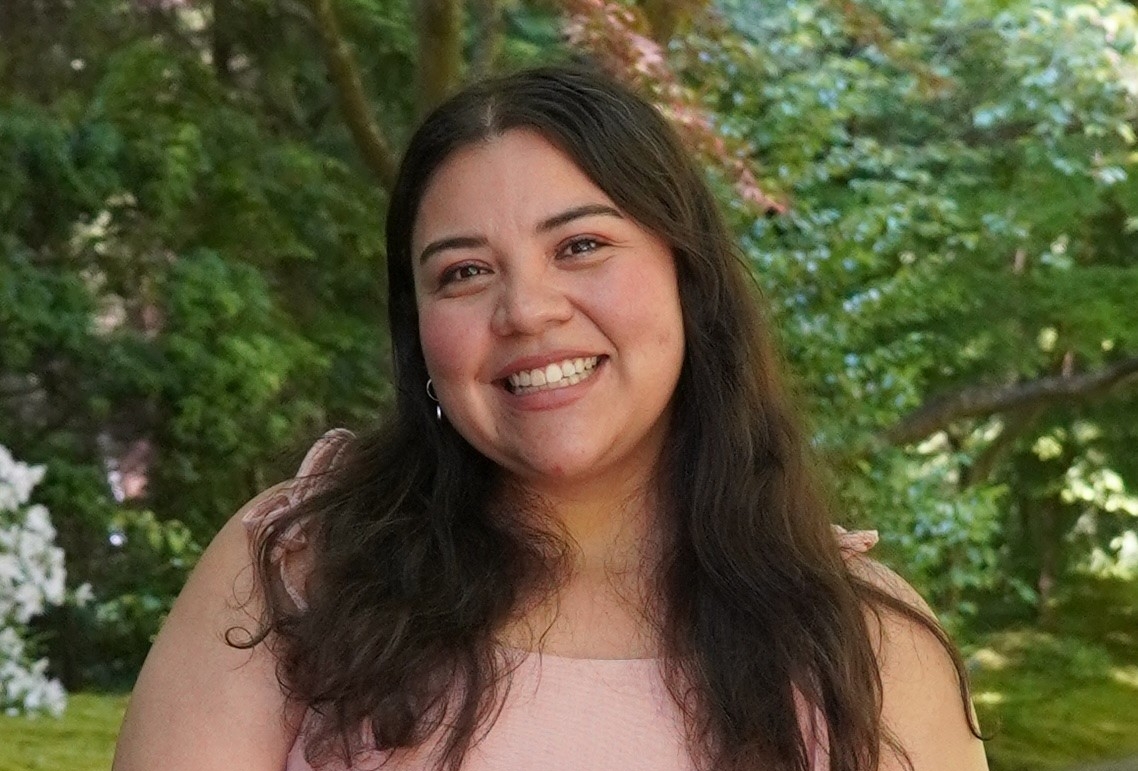 Maria arrived with modest expectations — and some apprehension about Montreal’s winter — but was welcomed by warmth.
The Institute for Research on Migration and Society (IRMS) at Concordia University kicked off the winter 2026 semester by welcoming visiting scholar María Cervantes-Macías, a postdoctoral researcher from the Centre of Migration Studies at the University of British Columbia. Her arrival launches the first of three scholar exchanges the institute will host this year.
The Bridging Divides Scholar Exchange Program is designed to foster meaningful collaboration between scholars working on migration, technology and social change across Canadian institutions. The program creates space for intellectual community, interdisciplinary dialogue and long-term research connections that extend beyond virtual collaboration. It is specifically targeted to PhD and early-career researchers already part of the Bridging Divides network at one of the partner institutions: Toronto Metropolitan University, Concordia University, University of Alberta and the University of British Columbia.
Cervantes-Macías studies the integration of immigrants in Canada, with a particular focus on platform-based and gig-based non-traditional forms of work to answer the following question: “What happens when work is no longer organized around a traditional office, and how does that reshape immigrant integration and labour experience?”
She chose Concordia after having the opportunity to exchange with IRMS members like Émile Baril, who also conducts research on food delivery platform work and IRMS Institute Director Mireille Paquet.
“The work happening at IRMS is very tech forward, and that kind of environment felt like a great opportunity to expand my network and thinking, especially after being based in Vancouver for nearly a decade,” says Cervantes-Macías.
While she arrived with modest expectations—and some concern about Montreal’s winter—she quickly found herself immersed in a welcoming academic culture.
“The cold wasn’t so bad, and the people are incredibly warm. During her visit, Cervantes-Macías participated in weekly meetings, reading groups and workshops. She hopes to implement a monthly reading group at UBC’s Center for Migration Studies (CMS) when she returns, to give postdocs and researchers more opportunities to get together and exchange on ideas.
Cervantes-Macías’s visit reflects the Scholar Exchange Program’s broader ambition: not only to share research, but to spark collaborations that endure. With two more visiting scholars set to arrive later this semester — and Institute for Research on Migration and Society researchers travelling to partner institutions — the initiative continues to expand national research connections and advance the collaborative, interdisciplinary mission of Bridging Divides.
Learn more about the Migrant Integration in the Mid-21st Century: Bridging Divides research program.
About Bridging Divides
The Bridging Divides research program is a multi-institutional, interdisciplinary research program that examines how digital technologies impact immigrant integration at a time of rapid social and economic change. Bridging Divides is funded by the Canadian Government through the Canada First Research Excellence Fund (CFREF).