

Date & time
Wednesday, March 17, 2021
3:30 p.m. – 4:45 p.m.
3:30 p.m. – 4:45 p.m.
Registration is closed


Registration is closed
Ashley Taylor
This event is free
Online
This talk and Q&A describes the challenges of cultivating epistemic inclusion within contexts regulated by an ideal and imperative of able-minded normalcy.
Ashley Taylor will explain how the concept of intellectual disability undermines epistemic inclusion because it implies that people labelled with intellectual disability are deficient knowers. Drawing upon pedagogical research from an inclusive higher education course, she describes how this positioning of intellectually disabled people as deficient knowers frustrated efforts to create a diverse community of knowers within a particular college classroom context.
She argues that the moral significance of epistemic considerations requires more attention — and even priority — in efforts to conceptualize and enact meaningful inclusion to counter the outlier status of intellectually disabled people in educational contexts.
Ashley Taylor is an assistant professor of educational studies at Colgate University. She specializes in philosophy of education, feminist disability studies and inclusive education. Taylor's interests include the gendered and racialized meanings of able-mindedness as they inform epistemic practices in and out of schools.
Broadly, she writes about the intersections of dis/ability, race, and gender in constructing belonging and participation, inclusive pedagogies and practices that challenge normalcy, and theories and frameworks of institutional inclusion and accessibility. Taylor teaches in educational foundations, disability studies and women's studies. Taylor's recent publications appear in Curriculum Inquiry, Harvard Educational Review, Educational Theory and Theory and Research in Education.
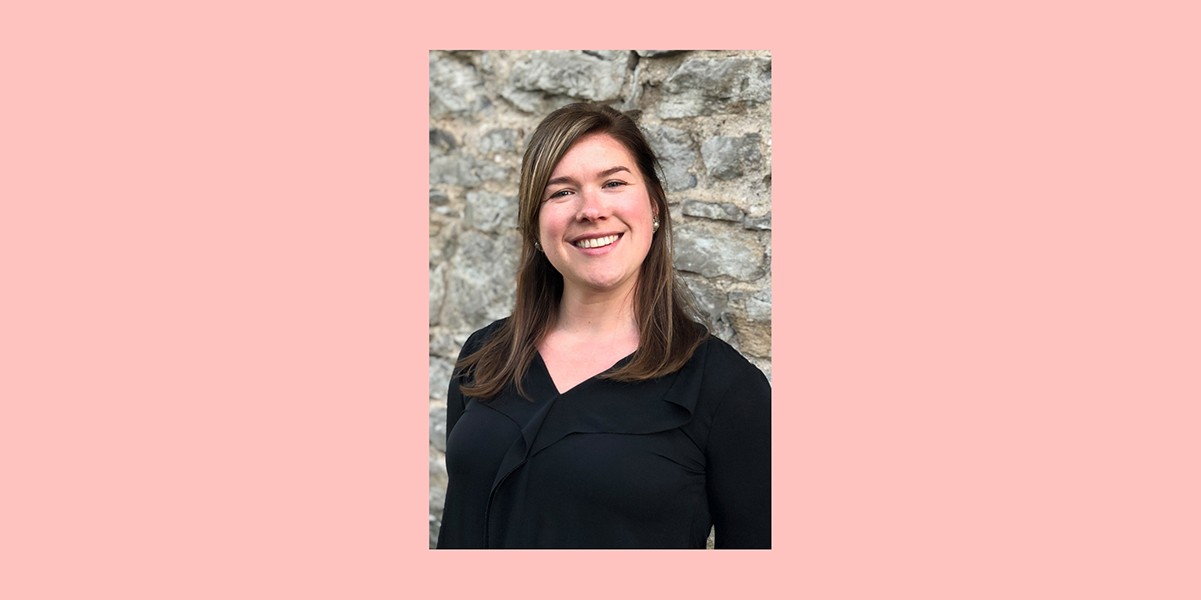 Ashley Taylor
Presented as part of the Interdisciplinary Perspectives on Learning Speaker Series by Concordia University's Centre for the Study of Learning and Performance (CSLP)