

Date & time
Monday, March 9, 2026
2:45 p.m. – 3:45 p.m.
2:45 p.m. – 3:45 p.m.


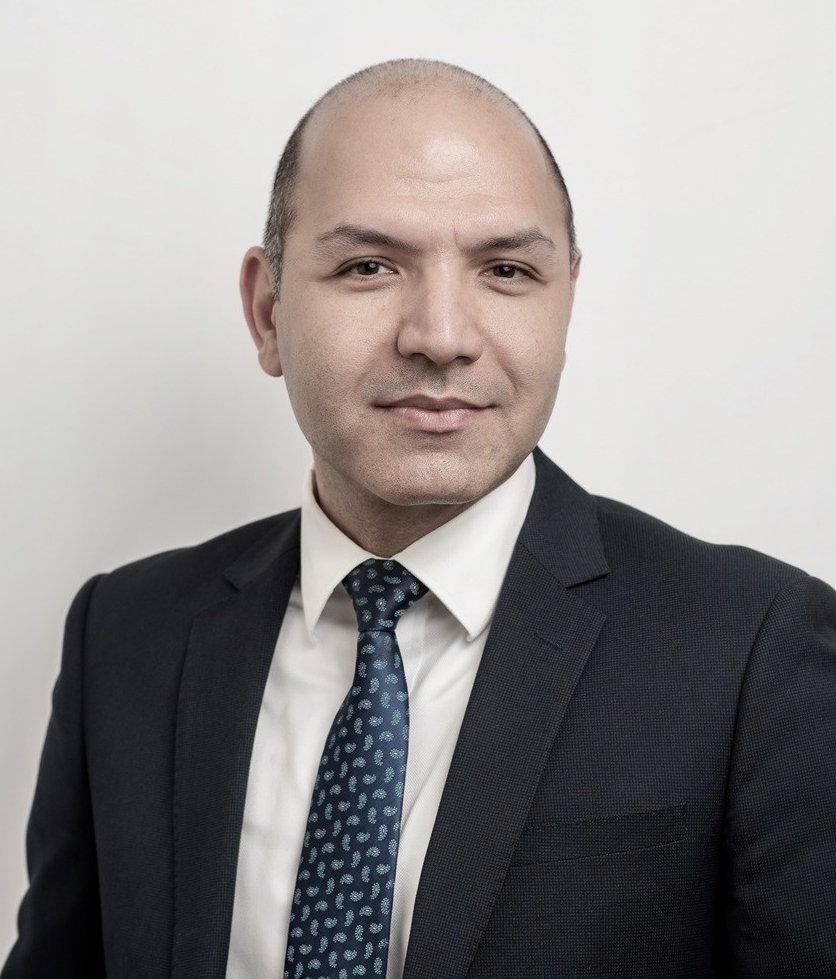
Ali Seifitokaldani
This event is free.
John Molson Building
1450 Guy St.
Room MB 6.425
Yes - See details
Understanding reaction mechanisms is central to designing next-generation electrocatalysts with superior selectivity and activity. In this talk, I will discuss recent advances from my group that combine in situ spectroscopy, electrochemical analysis, and density functional theory (DFT) to reveal how surface structure, adsorbate interactions, and reaction environment govern product distribution in complex electrochemical systems. Case studies will include the selective electroreduction of CO2, nitrate, and acetonitrile, as well as the low-potential electrooxidation of aldehydes to carboxylic acids with concurrent hydrogen generation. These mechanistic insights not only elucidate fundamental pathways but also guide the rational design of catalysts capable of achieving higher energy efficiency and stability, advancing electrocatalytic technologies for sustainable fuel and chemical production.
About the speaker:
Dr. Ali Seifitokaldani is an Associate Professor and Canada Research Chair (Tier II) in Electrocatalysis for Renewable Energy Production and Conversion in the Department of Chemical Engineering at McGill University. He leads the Electrocatalysis Lab, where his research focuses on understanding and controlling reaction mechanisms in electrochemical systems to achieve selective and energy-efficient production of fuels and chemicals. His work integrates advanced in-situ spectroscopy, electrochemical analysis, and density functional theory to elucidate fundamental pathways in reactions such as CO2 reduction, aldehyde oxidation, and nitrogen-based electrochemistry. Since 2019, Dr. Seifitokaldani has trained more than 30 graduate students and postdoctoral researchers, as well as over 50 undergraduate students. He has published over 70 peer-reviewed papers, many in leading journals including Science, Nature family journals, Applied Catalysis B, Advanced Materials, and the ACS journal family. A passionate educator, he has been nominated by undergraduate students in the Department of Chemical Engineering for McGill’s best teaching award for three consecutive years and received the Samuel & Ida Fromson Outstanding Teaching Award from the Faculty of Engineering at McGill University in 2025.
© Concordia University