

Date & time
Monday, March 2, 2026
11 a.m. – 12:30 p.m.
11 a.m. – 12:30 p.m.
Registration is closed


Registration is closed
This event is free.
4TH SPACE
J.W. McConnell Building
1400 De Maisonneuve Blvd. W.
Yes - See details
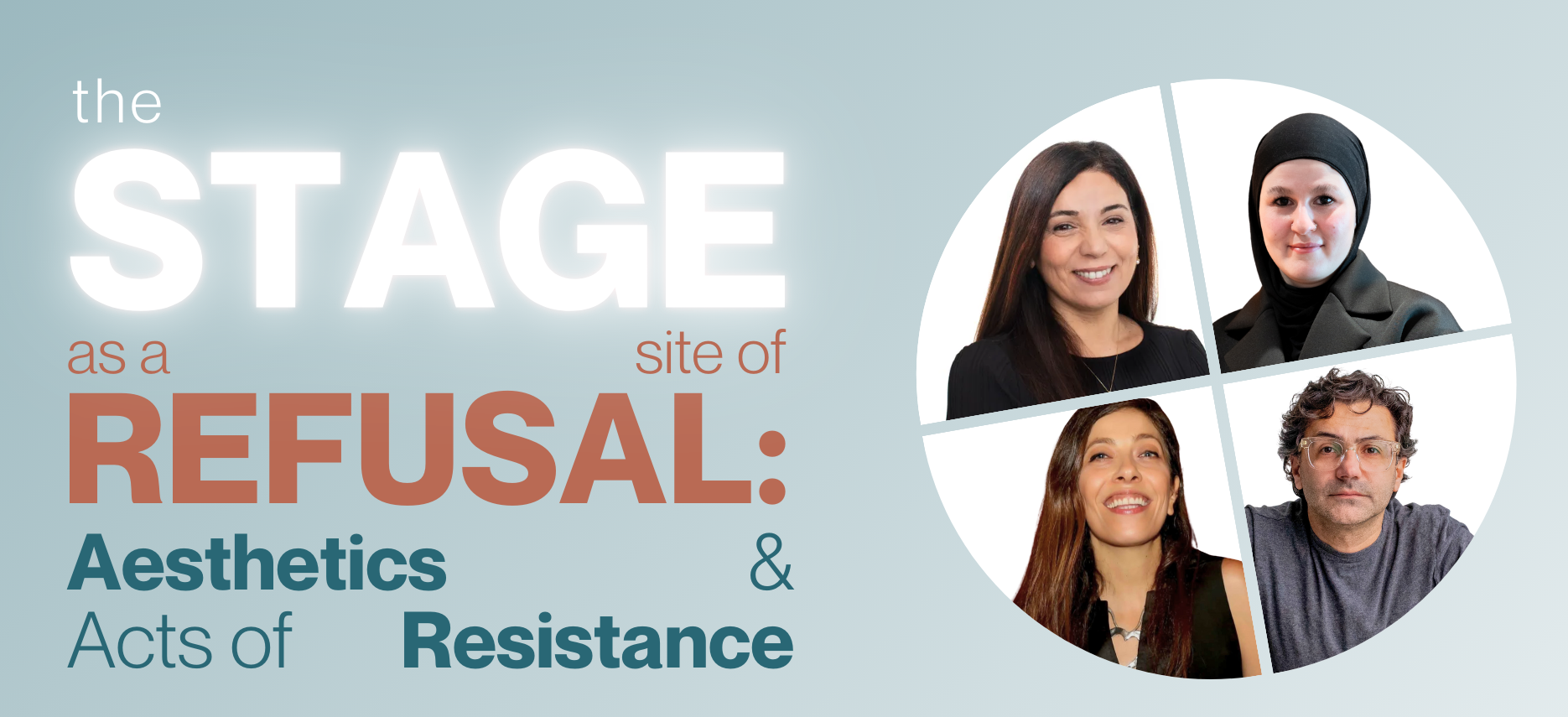
This conversation approaches the stage as a decolonial space where refusal operates as both method and stance. Centering positionality, the session reflects on how embodied, artistic, and narrative practices are shaped by lived histories of colonialism, systemic violence, displacement, and resistance. Rather than aspiring to neutrality or universality, the discussion affirms situated knowledge and accountability, asking who speaks, from where, and at what cost.
Through aesthetics, performance becomes a practice of refusal, refusing extraction and erasure, while opening space for counter-narratives, relational ethics, and collective re-imagining. Within the Unveiling Equity series, the stage is framed not only as a platform for representation, but as a site of struggle, care, dignity, and insurgent possibility.
How can you participate? Join us in person or online by registering for the Zoom Meeting or watching live on YouTube.
Have questions? Send them to info.4@concordia.ca
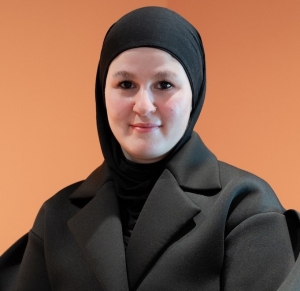
Safia Boufalaas navigates between the academic and community worlds. Holding a PhD in Hispanic and Latin American Studies from Université Grenoble Alpes in France and City University of New York, she analyzes the representation of bodies under tension within so-called criminal groups through documentary imagery.
Drawing on film analysis and visual studies, her research examines how these "non-normative bodies in a state of suspended death" are represented in contexts of extreme violence, questioning the construction of gender identities and roles as well as the ethical and aesthetic limits of such representations.
As a project coordinator at a nonprofit organization dedicated to Muslim women, she works to create spaces of solidarity, mutual support, and inpowerment.
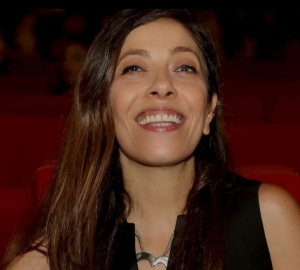
Rita Barotta is a faculty member at the Lebanese American University (LAU), where she teaches courses in Gender. She is a Lecturer on Women and Citizenship, part of the Diplôme Universitaire (Du), Engagement Civique et Démarche Citoyenne at the USJ. She is a PhD candidate at Saint Joseph University of Beirut in Humanities, with a focus on gender, sexuality, and queer theories (awaiting defence). She holds a Master’s degree in Journalism from Panthéon-Assas University (Paris II) and a Bachelor’s degree in Journalism from the Lebanese University.
She has over 14 years of experience in higher education and advocates for women’s and minority rights. As a journalist, writer and researcher, her work centres on feminist scholarship, sexuality, and discourse. She is a co-founder of Mayli feminist Library in Baalbeck. She is also a creative writing expert on SRHR, body and space, and feminist epistemology.
Her latest research covers the SOGIESC in Lebanon: Invisible Voices: A Comprehensive Research on SOGIESC Diversity in Lebanon. IPPF (2024).
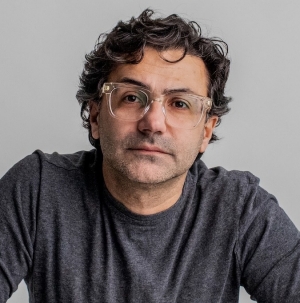
Visual artist Chadi Ayoub holds a degree from the Faculty of Fine Arts and Architecture at the Lebanese University in Beirut, as well as a Graduate Diploma in Event Design (DESS) from the Université du Québec à Montréal (UQÀM). His trajectory, shaped by the experience of migration and settlement in a regional context, informs an artistic practice grounded in introspection, self-representation, and the critical examination of identity construction processes.
His practice is primarily articulated through sculpture, installation, and participatory dispositifs, through which he investigates mechanisms of social normalization, strategies of visibility and concealment, and the tensions that traverse bodies subjected to social perception. Living and working in Terrebonne as a gay immigrant person originally from Lebanon profoundly structures his relationship to territory, community, and issues of presence and recognition. Within this framework, the region is conceived as an ambivalent space simultaneously a site of anchoring, relational proximity, potential solidarity, and a territory marked by diffuse surveillance in which difference is quickly perceived and assigned.

Zeina Ismail Allouche is Research Coordinator at the Centre for the Study of Learning and Performance at Concordia at the director of partnerships and Program development at CPN PREC, See has a PHD in Social Sciences and Arts with over 25 years of experience in the field of child protection, gender-based violence, and child trafficking for illegal transracial/international adoption practices. She has assumed leadership positions within numerous international organizations.
Zeina has contributed to international initiatives promoting family strengthening to prevent separation and lead integrated reform initiatives to reform the child protection sector in many countries. She collaborated with Georgetown University to design and deliver a child protection specialist training program with a focus on interdisciplinary and comprehensive case management. She developed a policy on child protection for media (UNICEF Lebanon).
An oral history/autoethnography storyteller and performer, Zeina is grounded in Indigenous methodologies and decolonized research practice. She contributed to various publications advocating for child protection, with a specific focus on gender-based Violence, transracial/international adoption, child protection in the media, and the rights of children without parental care.
Description: A discussion on how performance, visual arts, and poetry can refuse erasure of self, uplift representation, and explore the tension between identity and colonial spaces.
Organized by: Zeina Ismail Allouche; Centre for the Study of Learning and Performance (CSLP); Canadian Practitioners Network for the Prevention of Extremist Violence (CPN PREV); Indigenous Healing Knowledges Chair
Participants:
Safia Boufalaas
Rita Barotta
Chadi Ayoud
Zeina Ismail Allouche
With: 4th Space
Spectrum ID: