

Date & time
Thursday, May 14, 2026
12 p.m. – 12:45 p.m.
12 p.m. – 12:45 p.m.


Floris van Vugt
Free to attend - Donations welcome
Online
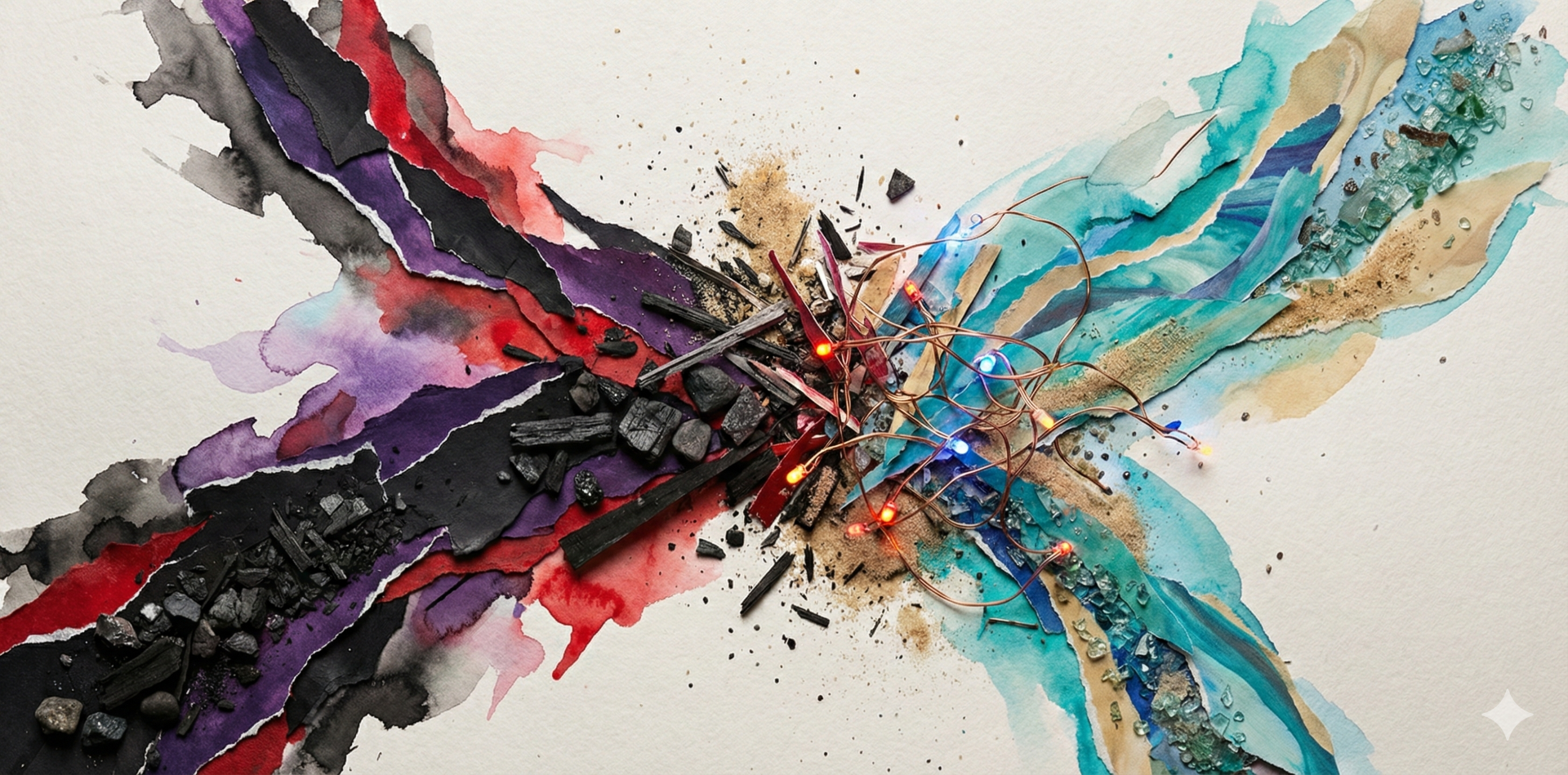
Now is a crucial time for humanity. We edge towards irreversible climate change. We face some of the greatest population displacements in recorded history. We encounter profoundly different visions over how we should live together and what we value.
If we want to hope to even begin to address these challenges we need to have difficult conversations about topics that matter deeply. Yet all too often such attempts at dialogue fail miserably. Sometimes we may even want to give up altogether. Turn on the news and you are flooded with news of ever-growing disagreements and conflict often erupting in violence.
What gets in the way? And why? What would allow us to have these conversations constructively?
I argue that as society, we need to learn to deal constructively with differences in viewpoints.
But how?
As a scientist, I wondered if science could help. I will survey some of the pitfalls science can help us become aware of. I will also draw an outline of concrete steps we can take to have better disagreements.
The ultimate hope is that this will help our societies thrive not in spite of, but because of our differences.
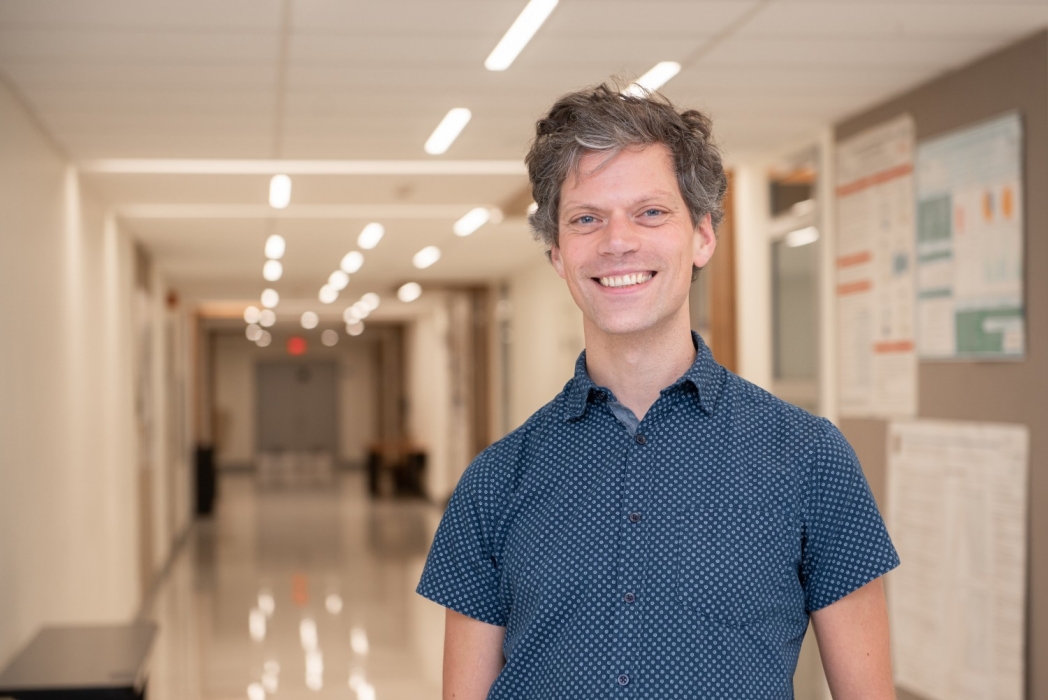
Floris Van Vugt, Ph.D., is an Associate Professor of Psychology at the Université de Montréal and the founder of the Human Connection Science Lab. Originally trained in mathematics and cognitive science, Floris explores how humans connect through music, language, and dialogue. His research blends neuroscience and social psychology to understand the mechanics of empathy and interpersonal communication. In his work on "thriving through disagreement," he investigates scientific frameworks to help individuals move past polarization and toward deeper mutual understanding and social integration.
To find out more about Floris' work, visit his lab website: https://www.connectionscience.org/
These conversations are offered freely so that wisdom remains accessible to all.
If you feel moved to support the Seeds of Flourishing series, a voluntary donation helps us tend this garden, covering our production costs and ensuring the Centre can continue to host these transformative inquiries for our entire community.
Thank you for your support!
© Concordia University