
Isabelle Mae-Yen Bredt and Luigi Iagulli
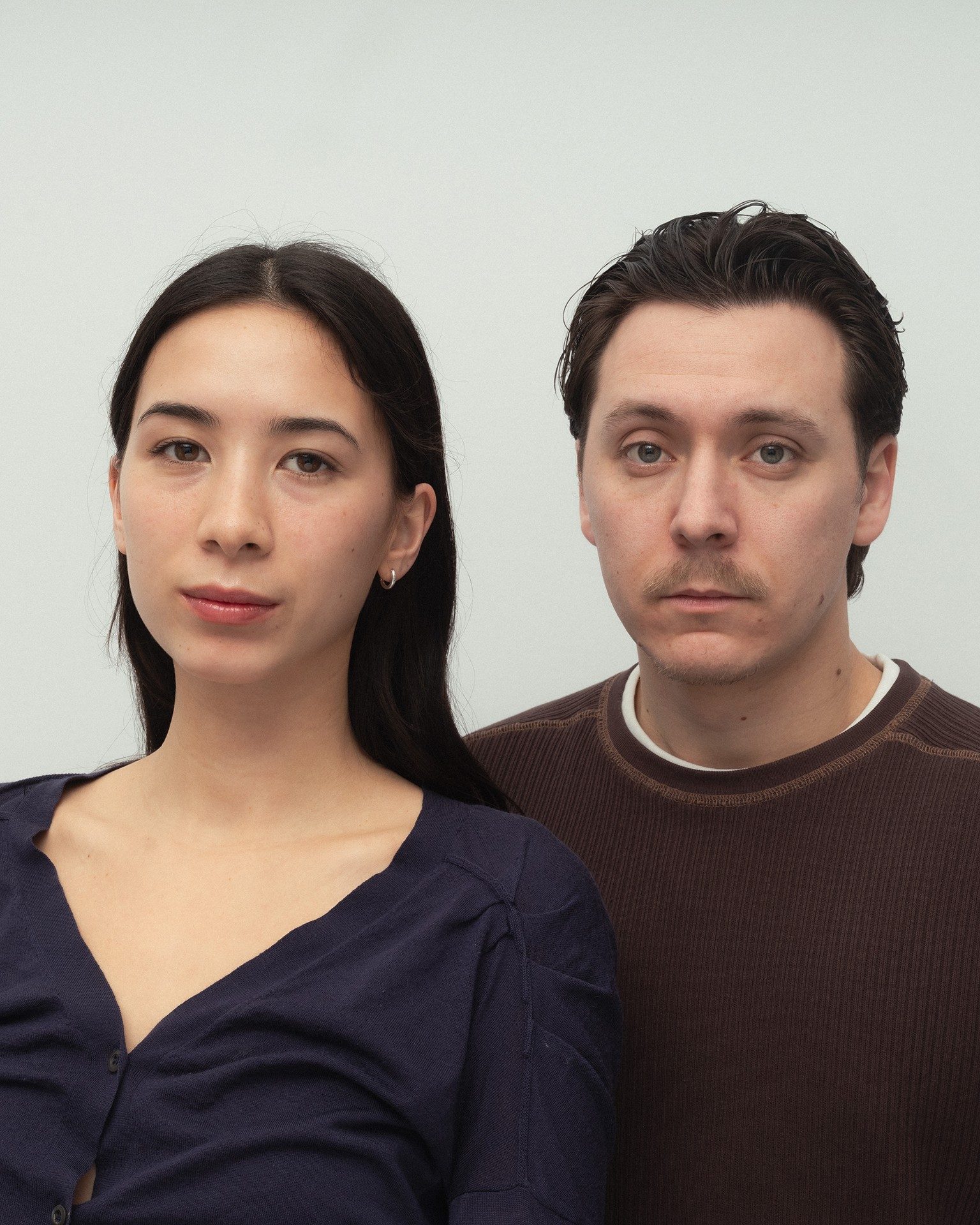
Image Credit: Pablo Perez Diaz
About the Residents
Isabelle Mae-Yen Bredt and Luigi Iagulli are artists and curators based in Montreal. Their joint practice functions like a perpetual rehearsal, using provocation, rules, scripting, and staging to manipulate expectation and perception. They frequently collaborate on film-based projects and have presented work together at Maison de la culture Janine-Sutto as part of the MOMENTA Biennale, as well as at Dazibao and Festival Regard.
About the Project
The Sea After The Sun is a curatorial and film project that began during Céline Bureau’s summer residency.
Under the theme Manual, the culminating exhibition brought together the work of Médéric Corbin, Hassan Saab, Stéphanie Alèxe Hébert, Lola Kingsley, Elena Therese, and Long-Xi Vlessing. The exhibition assembled a group of artists concerned with what artmaking can become: an object, a premise, a pretext, a tool, a career, an outlet. The moon returns to the sea, the artist returns to the question.
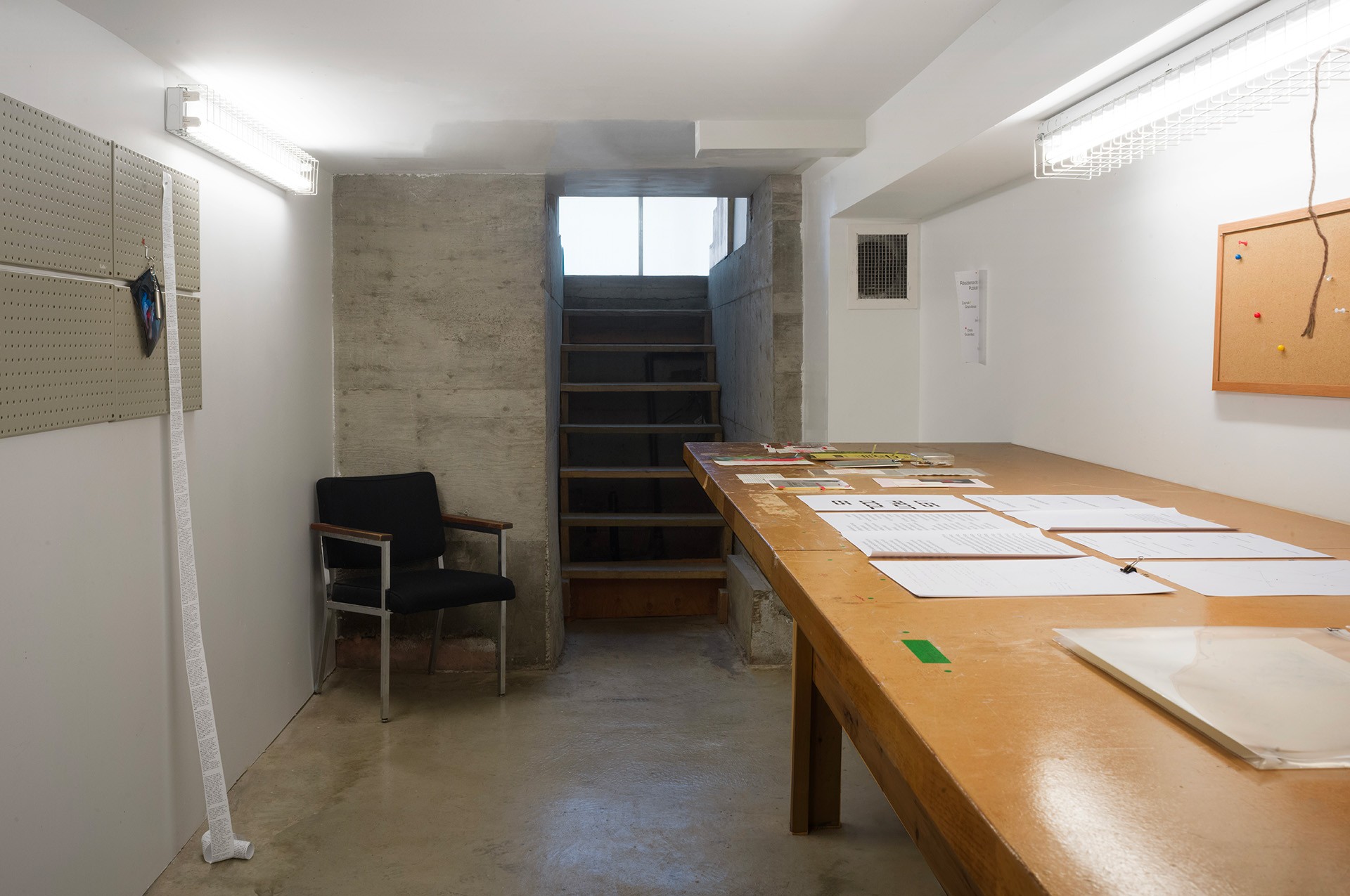
During the residency, each artist was given a straightforward task: to make a manual explaining their artistic practice. The task had two purposes: to give the artists a reason to reflect on how and why they make decisions, and to generate material for a film. There were no parameters for what the manuals could or could not be. They became sprawling rainbow words, pieces of felt taped onto bond paper, an email, a handwritten playlist, precise instructions, and a lot of dreams.
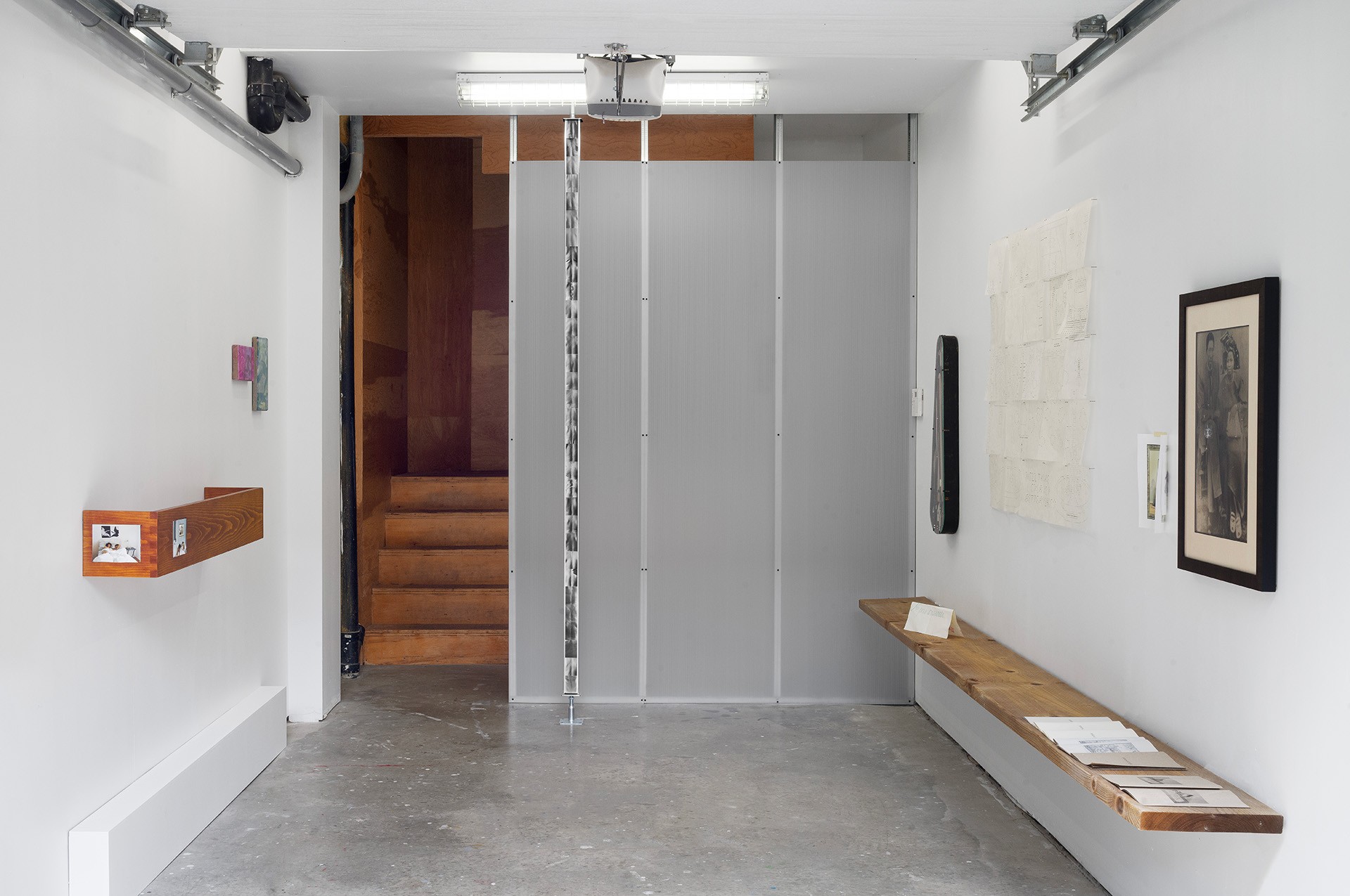
The exhibition took place in the Celine Bureau’s garage and was embraced for what it was, with a few minor transformations. A semi-transparent wall was built, and a large wooden shelf was installed. These interventions created a meditative space that recalled a monastery or mist behind a waterfall. The coalescing spirit of what had taken place that summer and many summers before; the discussions, the critiques and now the showcasing of work.
Rather than documenting the residency directly, the film attempts to stage an experience of it. It takes the artists’ instructions, conversations, practices, and contradictions and turns them into a narrative. An abstract attempt to enact the concerns of the group while also revealing the interpretations, misunderstandings, and desires of the curators themselves.