


Sarah Abou-Bakr is a PhD student in Communication Studies at Concordia University. Her research examines Islamophobia and intersectional oppression, focusing on the media representation of Black Muslim women. Alongside her studies, Sarah contributes to the Islamophobia Research Hub at York University and brings extensive experience in advocacy and public affairs. She has led initiatives with the National Council of Canadian Muslims and contributed to national policy as a Policy and Research Analyst at the Office of the Special Representative on Combatting Islamophobia. Based in Montreal, and as a mom of two, she aspires to bridge research and advocacy to challenge systemic Islamophobia and reshape representation of marginalized communities.
Research, Community, and Accountability: Reflecting on What Stayed with Me as a Research and Advocacy Fellow for the 12 Months
by Sarah Abou-Bakr
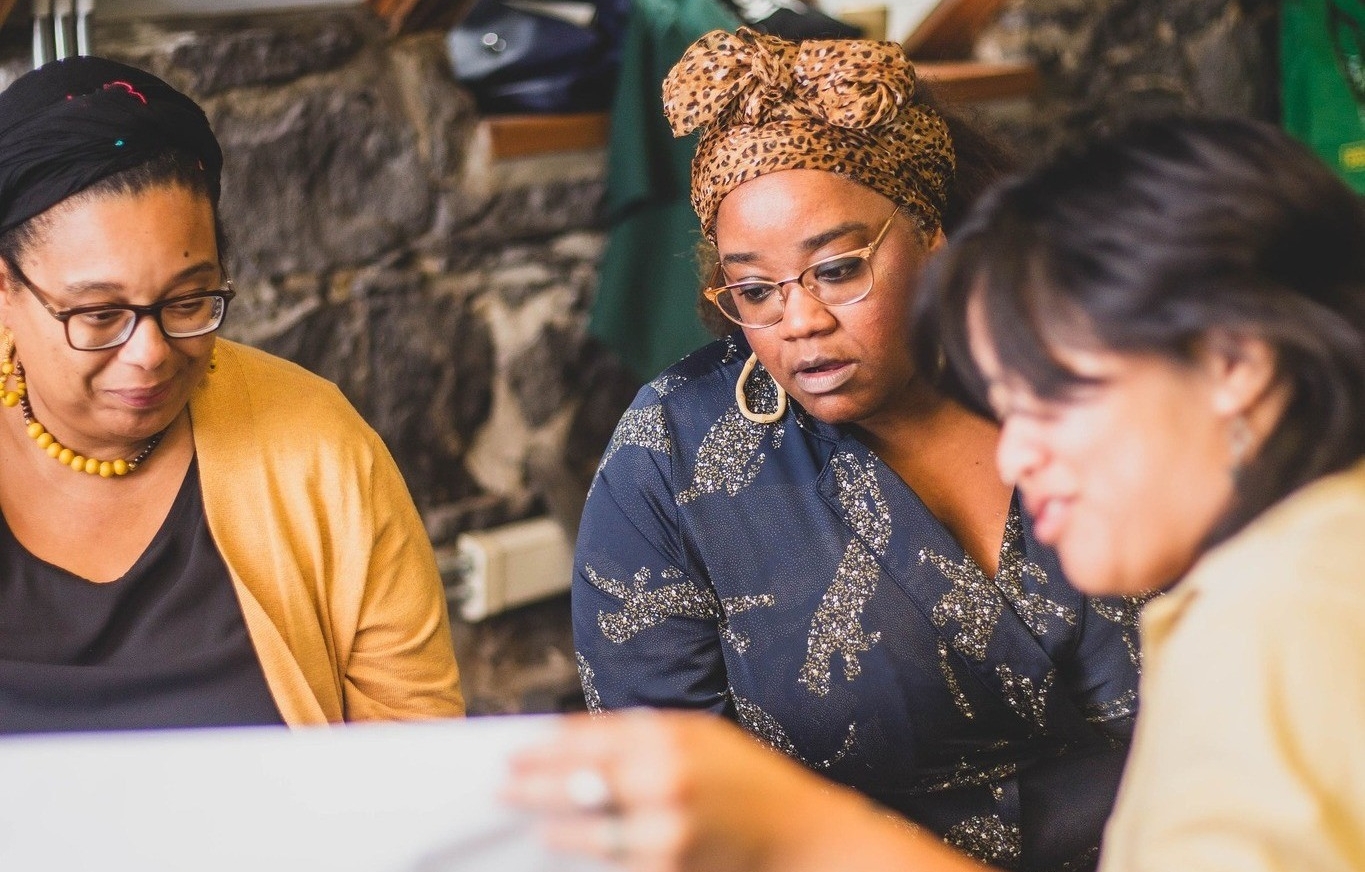
This piece was selected as part of SHIFT's special edition issue Research by and for Community (September 2026), which invited pieces from our community related to explore what it would mean to have research and learning environments that better reward relationship-building, curiosity, co-inquiry, and shared power. This piece in particular was written by one of the 2025-26 SHIFT Research & Advocacy Fellows about their community-led research project.
Before beginning SHIFT's Research and Advocacy Program (RAP) Fellowship, I already knew that research ethics is not simply about filling out the ethics form and meeting before the ethics committee. I understood that ethical research involved more. Mostly, I understood it to mainly be about consent, respect of confidentiality, and protecting from emotional harm. Basically, being fair to the community or participants that you are working with.
My formal encounters with research ethics had happened through the university. In my second year of PhD, I knew that I would soon investigate ethics applications, consent, confidentiality, recruitment, risk, and the other processes researchers learn to navigate.
At the same time, I came to this fellowship with many years of experience in community work and advocacy spaces. Questions of power, representation, trust, and accountability were already so familiar to me. What I had not fully considered was what happens when these two worlds meet: Community and research.
Through SHIFT's RAP Fellowship, I had the opportunity to partner with the Platform for the Self-determination of Racialized People in Research (PSRR). In their own words, PSRR’s “goal is to build an organizational structure that reflects the values of our communities and members, while responding to the needs expressed by researchers and participants across all fields and research approaches.” Together, we focused on the structures, limitations, and possibilities of research ethics governance in relation to marginalized and racialized communities. I began wanting to understand how these systems worked. Over time, I found myself asking a more fundamental question: Who actually gets to decide what ethical research looks like?
On paper, research ethics seem straightforward [...] But the conversations I was having with the different actors led to raising more complicated questions.
Searching Behind the Ethics Form
The months that followed, I found myself not looking at the ethics form but looking behind it. I read policies, examined different institutional frameworks, looked into governance structures and the place of community expertise within them, and had form and informal conversations with people working across research ethics, Indigenous governance, equity, research administration, and community engagement.
Initially, our questions were mostly structural. We were asking ourselves who sits on ethics committees? How are members selected? Where does community expertise enter the process? How are projects involving marginalized communities assessed Attempting to answer these questions made us realise how far the distance is between how the ethics protocol is structured on paper and how it can be experienced in on the ground.
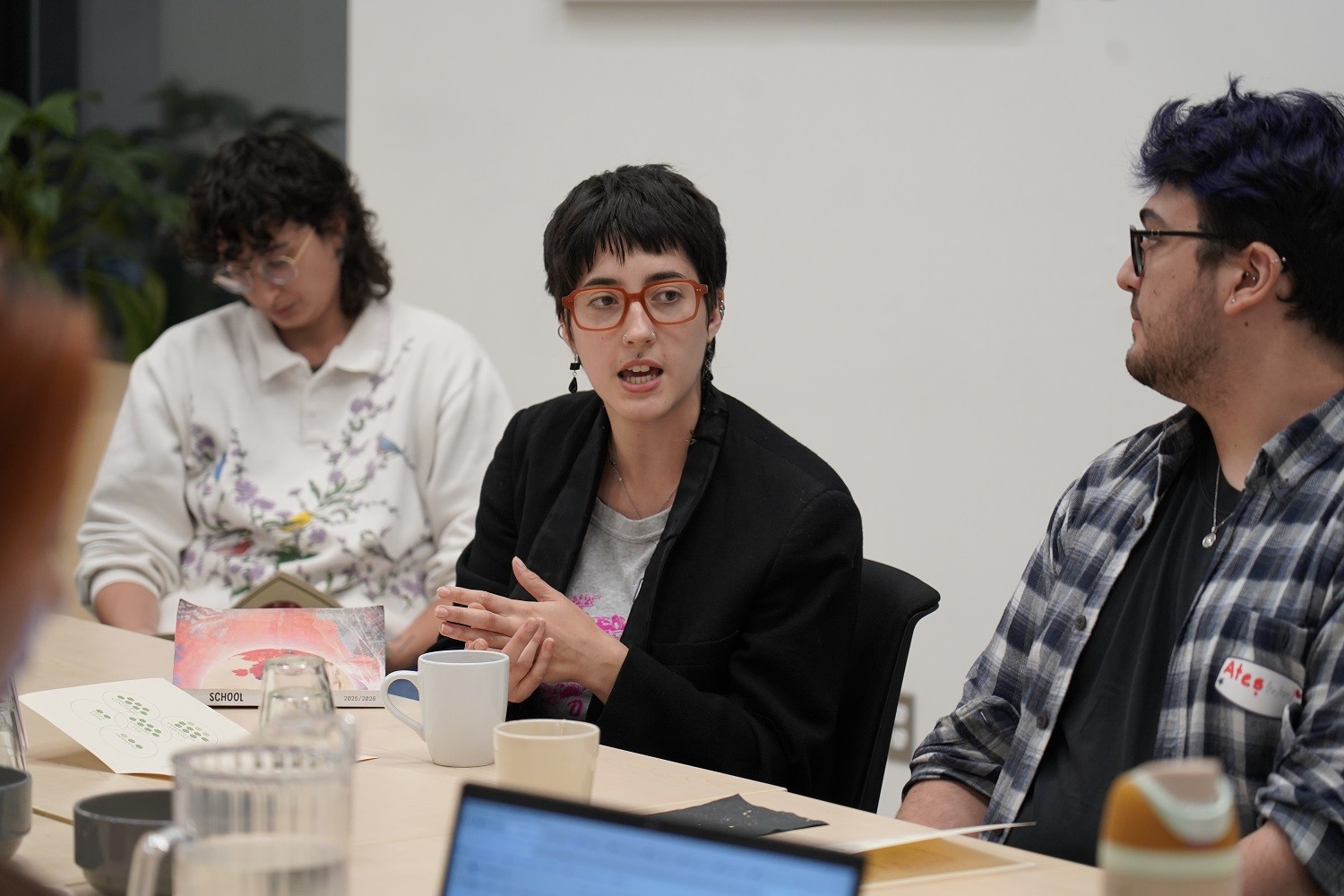
On paper, research ethics seem straightforward. There are policies, questions to thoroughly answer, research ethics committees to oversee, and approval mechanisms. But the conversations I was having with the different actors led to raising more complicated questions about issues such as institutional timelines, definitions of harm, community authority, representation, collective consent, and accountability, than it did providing answers. Some of our deeper questions were how does this system work behind the ethics form? Who does it work for? Whose knowledge does it recognize?
[E]thics approval and ethical research are not the same thing. The former is protocol, and the latter is intention.
Is Approval Not Enough?
As months passed and we were concluding our research phase, one realization stayed with me more than anything else: ethics approval and ethical research are not the same thing. The former is protocol, and the latter is intention.
During one my conversations with different community actors, I listen to a lot of horror stories and nightmare scenarios affecting communities who has the misfortune of working with researchers who had an ethics approach, but no sense of ethical research. Some situations even led to eventually no longer allowing research after community members experienced repeated interviews as harmful and retraumatizing, leaving community organizations and its staff to deal with the consequences. Examples as such forces one to reflect on what happens outside the boundaries of an ethics approval.
Essentially, I had come to understand that one can have approval, arrive with a consent form, follow all institutionally required procedures, but if intentionally there is no plan to care for the community studied, the ethical relationship itself collapses, and the community gets harmed.
Considering this unfortunate reality, more questions emerged. We began wondering about what happens after an interview ends? Who carries the consequences of the questions researchers ask? What does a researcher owe people after collecting what they need? What happens when the timeline of research conflicts with the time required to build trust? Perhaps the most important question: Who am I accountable to once my university has said yes?
Initially, I was interested in who was sitting on ethics committees. But I gradually realized that presence alone tells us very little about power or expertise.
Bear in mind, this does not mean that institutional ethics processes are unimportant. I would simply argue that they are incomplete. Yes, they establish necessary protections, and they make the researched understands the place of ethics in their research. However, the fellowship along with the partnership with PSRR helped me understand that, in theory, ethics approval is a document. In practice, it cannot create trust, nor can it ensure that every responsibility that emerges is honored.
Who Counts as an Expert?
The fellowship also changed how I thought about expertise, and who counts as an expert. When having discussion with community actors, one of our first questions concerned community representation within research ethics governance. Initially, I was interested in who was sitting on ethics committees. But I gradually realized that presence alone tells us very little about power or expertise.
Universities and institutions have standard ways of identifying expertise, such as degrees, publications, titles, and institutional positions. The gap here is that community expertise does not always arrive in those forms.
For instance, a person may understand why a research practice is inappropriate because of lived experience, cultural knowledge, organizing, or years of relationships with a community. But does the institution recognize that knowledge as expertise?
The people in the room were not simply an audience. Their responses were themselves a form of knowledge.
Even when a “community representative” is present, that does not necessarily mean they have meaningful influence. Nor can one person represent the knowledge, experiences, and protocols of multiple communities.
I began the project asking who was present. I became much more interested in who had the power to shape decisions and whose knowledge was considered legitimate.
Putting the Research Back Into the Room
These questions became tangible during our activation project, which was our way of turning our months of research and discussion into an action.
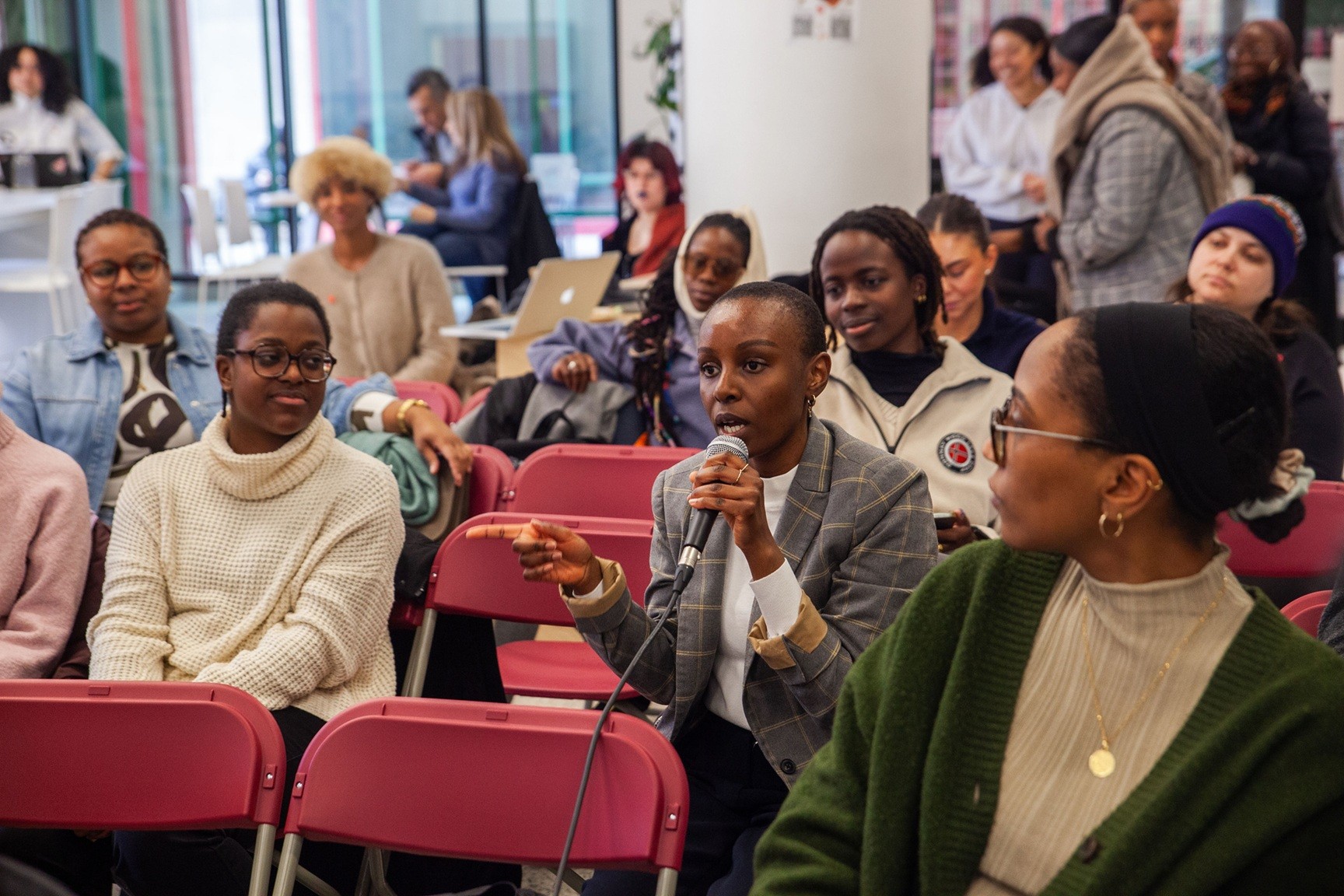
In the month of June, we held a bilingual participatory community consultation at SHIFT. After months of reading, conversations, mapping, and writing, the research had to leave the document and enter a room.
Researchers and community members engaged with the work and contributed to PSRR's developing research ethics resources and five-workshop support program for research by, for, and with racialized communities.
That experience changed how I thought about research. Research is often imagined as moving from questions to findings and then dissemination. The consultation offered another possibility. Findings could return to conversation. People could question them, complicate them, and help shape what came next.
The people in the room were not simply an audience. Their responses were themselves a form of knowledge.
I no longer see approval as the endpoint of ethical responsibility. If anything, it may only be the beginning.
It made me wonder whether bringing research back into conversation with communities should really be something that happens after research. Perhaps returning, listening, responding, and revising are themselves part of ethical practice.
The Questions I Am Taking With Me
This fellowship feels especially important as I move further into my own doctoral research.
It did not leave me with a perfect model for ethical community-engaged research. It left me with better questions.
Am I approaching participants as sources of information or as people to whom I have responsibilities? What will they receive from sharing their experiences with me? What happens after the interview? How will I make my research accessible to those who helped make it possible?
And perhaps the most uncomfortable question: Who gets to tell me that I am doing something wrong, and am I prepared to listen when they do?
It is easy to say that we value community knowledge. It is harder to change our research when that knowledge challenges our plans, timelines, or assumptions.
I entered this fellowship thinking about how researchers conduct ethically approved research. I leave thinking more about how we remain accountable to the people and relationships that make research possible.
Institutional ethics processes matter. But I no longer see approval as the endpoint of ethical responsibility. If anything, it may only be the beginning.
