

Program options
Major, Minor
Urban areas are home to over half the world’s population. Explore the opportunities and challenges that emerge from urbanization through diverse, interdisciplinary perspectives. You will learn how society, culture, politics, and economics shape the past, present and future of cities.
Through labs, lectures and projects, you will:
Guaranteed $4,000 entrance award for students in Canada who demonstrate academic excellence.
A Bachelor of Arts degree takes a minimum of three or four years (90 – 120 credits) of full-time study, depending on your academic background.
Students may apply for a transfer to Urban Planning after having completed certain courses and obtained a grade point average of 3.0 for Specialization and 3.3 for Honours.
United States students: A U.S. Federal Student Aid-eligible version of this program is offered. This version meets all U.S. regulations (such as no co-operative education or e-courses) for eligible programs.
Minimum cut-off averages should be used as indicators. The cut-off data may change depending on the applicant pool. Applicants who meet the stated minimum requirements are not guaranteed admission to these programs.

Deadline: March 1
U.S. and international applicants: Apply no later than February 1 to allow time for immigration document processing. However, applying earlier is strongly recommended. Immigration processing times vary by country and delays could prevent you from starting your studies on time.

Deadline: November 1
U.S. and international applicants: Apply no later than August 1 to allow time for immigration document processing. However, applying earlier is strongly recommended. Immigration processing times vary by country and delays could prevent you from starting your studies on time.
We reserve the right to close admission to a program at any time after the official deadline without prior notice.
Graduates of the Urban Studies programs leave with the knowledge and technical skills required for a career in any field that calls for an understanding of how cities work, from public policy and administration to spatial data analytics.

Major in Urban Studies
In downtown Montreal, there’s many services accessible. Everything is within your vicinity.”

As an urban planning student, you’ll explore how residential and commercial areas, community spaces, public services and transportation all function together. You’ll learn how to make decisions in the public interest, and plan for future change.
Department
Department of Geography, Planning and Environment
Faculty
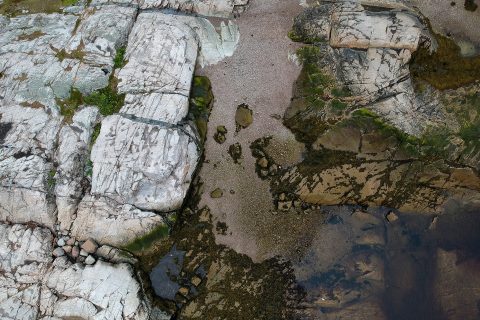
As an environmental geography major, you’ll take courses in geography, geology and biology, and enjoy the flexibility to complement your studies in another field of interest.
Department
Department of Geography, Planning and Environment
Faculty
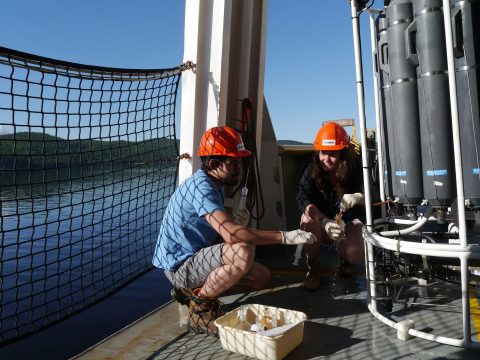
If you are fascinated by the science behind how human activity affects our planet, and passionate about creating a more sustainable future, the Environmental and Sustainability Science program is for you.
Departments
Department of Geography, Planning and Environment, Department of Chemistry and Biochemistry, Department of Biology
Faculty
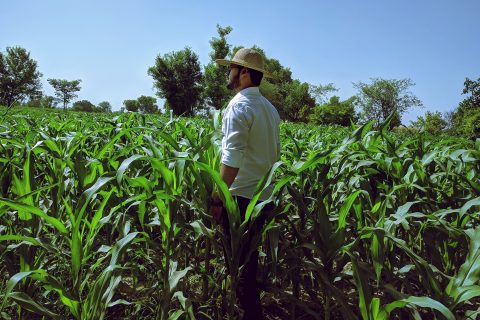
Explore how geography influences human behaviour and examine the impact of human activity on the environment.
Department
Department of Geography, Planning and Environment
Faculty